
Introduction
Every homeowner dreams of a lush, green lawn that becomes the envy of the neighborhood. Picture children playing on a vibrant, healthy turf or hosting summer barbecues on a perfectly manicured lawn. However, achieving this ideal requires more than just occasional mowing and watering. It involves understanding the needs of your grass and providing the right conditions for growth.
In this article, you’ll learn key strategies for growing a healthy lawn, from selecting the right grass type to proper watering and fertilization techniques. You’ll walk away with actionable steps to transform your yard into a verdant oasis.

Simple Lawn Solutions
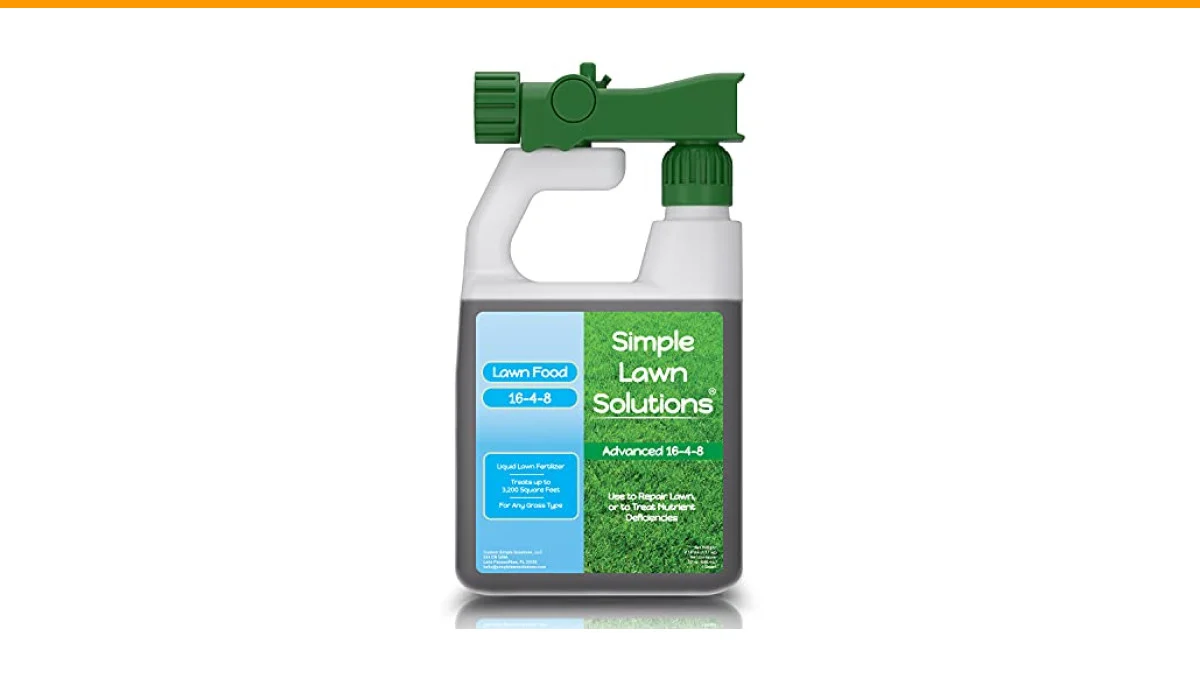
Advanced 16-4-8 Balanced NPK - Lawn Food Quality Liquid Fertilizer - Spring & Summer Concentrated Spray - Any Grass Type - Simple Lawn Solutions (32 Ounce)
- Complete NPK Lawn Food: 16-4-8 is the perfect blend of key macronutrients. This lawn liquid food turf fertilizer also contains Sea…
- Contains High Quality Feed Grade Ingredients: Nourish your lawn with pure liquid Nutrients in a ready to use sprayer
- Easy To Use: Designed to be easily applied. This complete Nitrogen, Phosphate and Potash formula gives your grass greening & growt…
One helpful product to consider for your lawn care regimen is the Advanced 16-4-8 Balanced NPK – Lawn Food Quality Liquid Fertilizer. This concentrated spray is designed to nourish any grass type, providing essential nutrients for lush growth. Its ease of use makes it a practical choice for homeowners looking to improve their lawns quickly.
Choosing the Right Grass Type
The first step in growing a healthy lawn is selecting the right grass type for your climate and soil conditions. Different grass varieties thrive under different conditions. For instance, warm-season grasses like Bermuda and Zoysia flourish in southern climates, while cool-season grasses such as Kentucky Bluegrass and Fescue do well in northern areas.
Consider the following factors when choosing your grass:
- Climate: Identify whether your area experiences hot summers, cold winters, or a mix.
- Sunlight: Assess how much sun your lawn receives. Some grasses require full sun, while others tolerate shade.
- Soil Type: Test your soil to understand its pH and nutrient levels. This can influence your grass choice.
Soil Preparation
Healthy grass starts with healthy soil. Preparing your soil involves several steps:
- Test Your Soil: Conduct a soil test to determine pH and nutrient levels. Most grasses prefer a pH between 6.0 and 7.0.
- Till the Soil: Loosen compacted soil using a tiller. This improves aeration and allows roots to grow more effectively.
- Add Organic Matter: Incorporate compost or well-rotted manure into the soil. This enriches the soil, improving its texture and nutrient content.
Watering Techniques
Watering is vital for a healthy lawn, but how much and how often should you water? Here are some guidelines:
- Frequency: Lawns typically need about 1 to 1.5 inches of water per week, either from rainfall or irrigation.
- Timing: Water early in the morning (before 10 AM) to reduce evaporation and fungal diseases.
- Depth: Ensure water penetrates 6-8 inches into the soil. This encourages deeper root growth.
Consider using a rain gauge or soil moisture sensor to monitor your lawn’s water needs accurately.
Fertilization Strategies
Fertilizing your lawn provides essential nutrients that promote growth and resilience. Here’s how to do it effectively:
- Choose the Right Fertilizer: Look for a balanced fertilizer like the Advanced 16-4-8 Balanced NPK. This product offers a perfect blend of nitrogen, phosphorus, and potassium, essential for lawn health.
- Timing Matters: Apply fertilizer in the spring and fall. Spring applications support growth, while fall applications strengthen roots for winter.
- Follow Instructions: Always adhere to the application guidelines on the fertilizer packaging to avoid over-fertilization, which can harm your lawn.
Maintenance Practices
Regular maintenance keeps your lawn healthy and vibrant. Here are some practices to incorporate into your routine:
- Mowing: Mow regularly, keeping the grass height between 2.5 to 4 inches. Taller grass shades roots and retains moisture.
- Aeration: Aerate your lawn once a year to alleviate soil compaction and improve water penetration.
- Weed Control: Control weeds early. Use pre-emergent herbicides in spring and spot-treat as needed.
Comparison Table of Grass Types
| Grass Type | Best Climate | Sunlight Requirement | Growth Rate |
|---|---|---|---|
| Bermuda | Warm | Full Sun | Fast |
| Fescue | Cool | Partial Shade | Medium |
| Zoysia | Warm | Full Sun/Partial Shade | Slow |
| Kentucky Bluegrass | Cool | Full Sun | Medium |
Frequently Asked Questions
How often should I water my lawn?
Water your lawn about once or twice a week, aiming for 1 to 1.5 inches of water weekly. Adjust based on rainfall and temperature.
What’s the best time to fertilize my lawn?
Spring and fall are the optimal times for fertilizing. Spring encourages growth, while fall strengthens roots for winter.
Can I use any fertilizer for my lawn?
No, choose a fertilizer that matches your grass type and soil condition. A balanced fertilizer like the Advanced 16-4-8 formula is a good choice.
How do I know if my lawn needs aeration?
Signs include compacted soil, puddling water, and poor grass growth. Aerate if your lawn feels hard underfoot or has thinning areas.
What is the ideal mowing height for grass?
Most grass types thrive at a height of 2.5 to 4 inches. Taller grass retains moisture and promotes stronger roots.
Final Thoughts
- Choose the right grass type for your climate.
- Prepare your soil with testing and organic matter.
- Water deeply and less frequently.
- Use a balanced fertilizer like Advanced 16-4-8 during appropriate seasons.
- Maintain your lawn with regular mowing and aeration.
- Monitor for weeds and pests regularly.
- Stay consistent with your lawn care routine for the best results.


