
What is the Best Soil pH for Grass?
Contents
Imagine stepping onto your lawn and feeling the lush, healthy grass beneath your feet. It’s a sight that many homeowners strive for, yet achieving it goes beyond simple watering and mowing. One of the most critical factors influencing grass health is soil pH. Understanding what soil pH is and how it affects grass can transform your lawn care routine.
Soil pH measures the acidity or alkalinity of the soil on a scale from 0 to 14, with 7 being neutral. Grass typically thrives in a specific pH range, and knowing this can help you cultivate a vibrant, green lawn. In this article, you’ll learn about the ideal soil pH for grass, how to test it effectively, and practical steps to maintain optimal levels.

Dewilde Trading Co
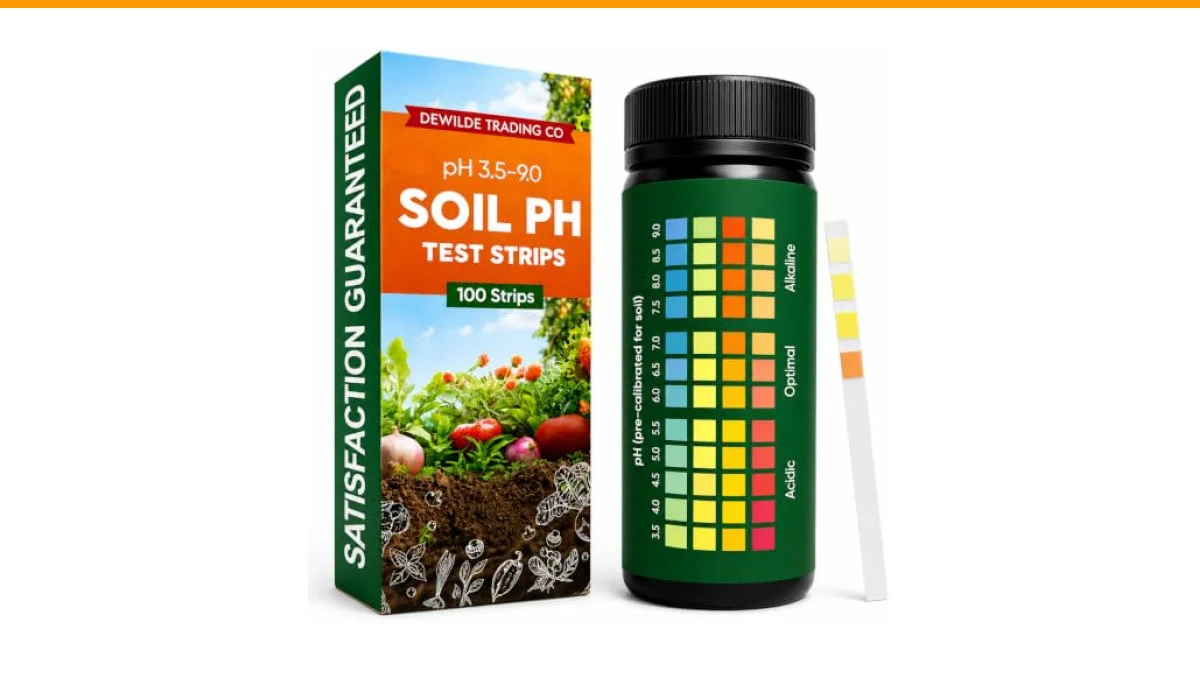
Soil Test Kit – 100 Soil pH Test Strips (3.5–9 Range) for Garden, Lawn & Indoor Plants – Easy At-Home Soil Testing
- Accurate Soil pH Testing: Dewildetradingco Soil pH Test Strips offer measurements of soil pH levels (pH 3.5-9). As an essential to…
- User-Friendly Testing Procedure: The testing process is simple and efficient. Mix the sample soil with water, let the solution sit…
- Cost-Effective and Versatile: With 100 Soil PH checker strips included in each package, Dewildetradingco provides a cost-effective…
To get started on your lawn health journey, consider the Dewilde Trading Co Soil Test Kit. This kit simplifies the testing process, allowing you to accurately measure your soil’s pH level from 3.5 to 9. With 100 pH test strips included, it’s a valuable tool for both novice and experienced gardeners.
Understanding Soil pH
Soil pH is essential for nutrient availability. Most grass types prefer a pH range of 6.0 to 7.5. Within this range, nutrients like nitrogen, phosphorus, and potassium are most accessible to grass roots. When the pH falls below 6.0 (acidic) or rises above 7.5 (alkaline), nutrient uptake becomes less efficient, leading to potential deficiencies.
For example, if your lawn’s pH is too low, you might notice stunted growth or yellowing grass. Conversely, a high pH can lead to nutrient lockout, where essential elements like iron and manganese become unavailable. Understanding these relationships is vital for effective lawn care.
Testing Your Soil pH
Testing your soil pH is straightforward. You can use a professional lab or opt for at-home kits like the Dewilde Trading Co Soil Test Kit. Here’s a simple step-by-step guide:
- Collect a soil sample from different areas of your lawn.
- Mix the soil with distilled water in a clean container.
- Allow the mixture to sit for about 30 minutes.
- Dip a test strip into the solution for three seconds.
- Hold the strip horizontally for 60 seconds and compare it to the provided color chart.
This testing method provides quick and reliable results, helping you determine the pH level and whether you need to take action.
Adjusting Soil pH
Once you know your grass’s soil pH, you may need to make adjustments. Here’s how:
- To Lower pH (Make Soil More Acidic): Add elemental sulfur or organic matter like peat moss. These amendments help acidify the soil gradually.
- To Raise pH (Make Soil More Alkaline): Apply lime (calcium carbonate) to your soil. This raises pH and adds calcium, promoting better grass growth.
It’s crucial to apply these amendments based on your soil test results and to retest the soil pH after a few months to monitor changes.
Comparative Guide to Soil pH Adjustments
| Action | Material | Effect |
|---|---|---|
| Lower pH | Elemental Sulfur | Acidifies soil over time |
| Lower pH | Peat Moss | Adds organic matter and acidity |
| Raise pH | Lime (Calcium Carbonate) | Increases pH and adds calcium |
| Raise pH | Wood Ash | Alkalizes soil and adds potassium |
Frequently Asked Questions
What is the ideal soil pH for grass?
The ideal soil pH for most grass types is between 6.0 and 7.5. This range allows for optimal nutrient availability.
How can I tell if my lawn’s pH is too low or too high?
Signs of low pH include yellowing grass and stunted growth. High pH may result in poor growth and visible nutrient deficiencies.
How often should I test my soil pH?
Test your soil pH at least once a year, preferably in the spring or fall. Regular testing helps you keep track of pH changes.
Can I use household items to test soil pH?
While home methods exist using vinegar and baking soda, they lack accuracy. A dedicated soil pH test kit provides reliable results.
What should I do if my soil pH is out of the ideal range?
If your soil pH is outside the ideal range, amend it with the appropriate materials to bring it back into balance. Retest after a few months.
Final Thoughts on Soil pH for Grass
- Grass thrives best at a soil pH of 6.0 to 7.5.
- Test soil pH regularly to monitor changes.
- Use the Dewilde Trading Co Soil Test Kit for accurate readings.
- Adjust soil pH with sulfur, peat moss, or lime as needed.
- Retest your soil after amendments to ensure effectiveness.
- Healthy soil pH leads to a lush, vibrant lawn.
- For more detailed information on soil testing, refer to resources like best soil tester for acidic soil.