

How to Prevent Tomato Blight: A Comprehensive Guide
Contents
Imagine stepping into your garden, eager to harvest fresh tomatoes, only to find your plants wilting, with leaves turning brown and spots appearing on the fruit. This scenario, often the result of tomato blight, can be disheartening for any gardener. Blight affects not just the yield but also the overall health of your plants, making prevention essential for a successful harvest.
In this article, you’ll learn effective strategies to prevent tomato blight, covering everything from soil management to careful plant care. You’ll walk away equipped with actionable steps to safeguard your tomatoes against this common disease.

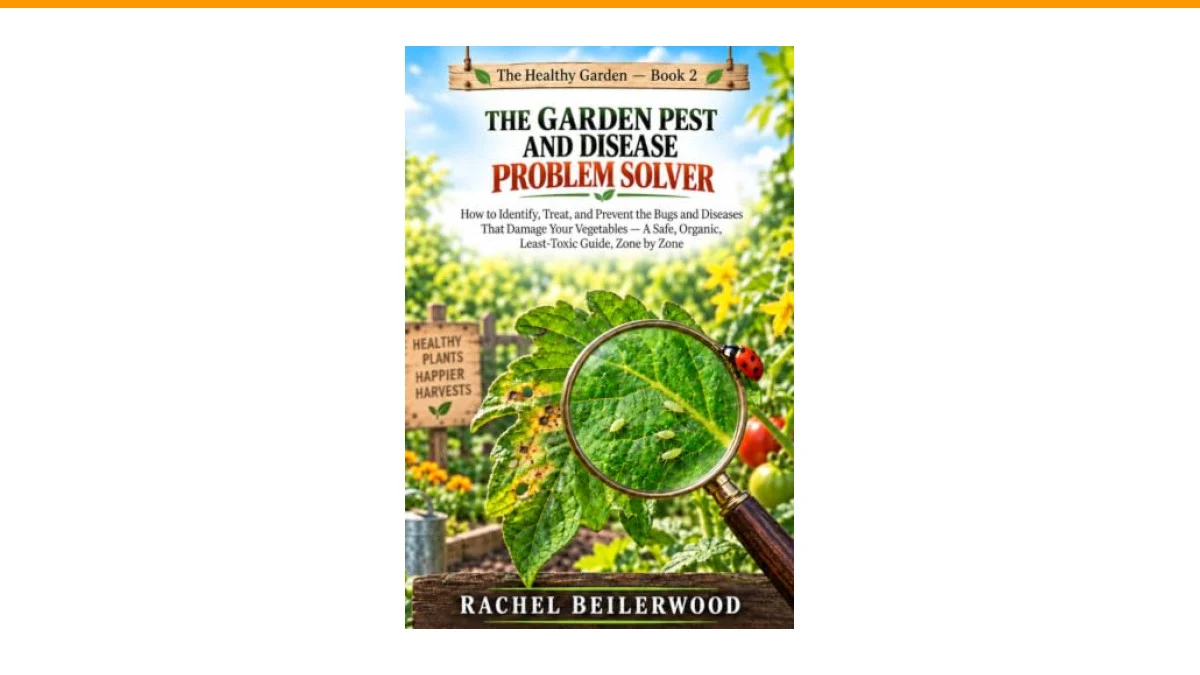
A helpful resource for gardeners is The Garden Pest and Disease Problem Solver. This guide provides insights into identifying and treating various pests and diseases, including blight, allowing you to address issues quickly and effectively.
Understanding Tomato Blight
Tomato blight primarily refers to two diseases: early blight and late blight. Early blight, caused by the fungus Alternaria solani, typically appears in the lower leaves and manifests as dark spots with concentric rings. Late blight, on the other hand, is caused by Phytophthora infestans and can devastate entire crops, appearing as large, water-soaked spots on leaves and stems.
Both types thrive in warm, humid conditions, making it crucial to implement preventive measures early in the growing season.
Preventive Measures
Preventing tomato blight involves a combination of cultural practices, proper plant placement, and vigilant monitoring. Here are some effective strategies:
1. Crop Rotation
Rotate your tomato plants every year. Avoid planting tomatoes or related plants (like peppers and eggplants) in the same location for at least three years. This disrupts the life cycle of pathogens that may linger in the soil.
2. Soil Health
Healthy soil promotes strong plant growth, making them less susceptible to disease. Use organic matter such as compost to improve soil structure and drainage. Aim for a pH between 6.0 and 6.8, as tomatoes prefer slightly acidic to neutral conditions. Soil tests can help determine necessary amendments.
3. Watering Techniques
Water consistently and deeply to encourage strong root systems. Avoid overhead watering, which can splash soil-borne pathogens onto the leaves. Instead, use drip irrigation or soaker hoses to deliver water directly to the soil. Water in the morning to allow foliage to dry before evening.
4. Plant Spacing and Airflow
Space your tomato plants adequately to promote air circulation. Aim for at least 24 to 36 inches between plants. Good airflow reduces humidity around the foliage, making conditions less favorable for blight.
5. Mulching
Apply a layer of organic mulch, such as straw or shredded leaves, around your plants. Mulch helps retain soil moisture, suppress weeds, and minimize soil splash onto the plants, which can introduce pathogens.
Comparison of Prevention Methods
| Prevention Method | Effectiveness | Ease of Implementation | Cost |
|---|---|---|---|
| Crop Rotation | High | Moderate | Low |
| Soil Health Improvement | High | Moderate | Variable |
| Proper Watering | High | Easy | Low |
| Plant Spacing | Moderate | Easy | Free |
| Mulching | Moderate | Easy | Low to Moderate |
Common Questions About Tomato Blight Prevention
How can I tell if my tomatoes have blight?
Look for dark spots with concentric rings on leaves for early blight, or large, water-soaked spots for late blight. Yellowing leaves and wilting plants can also indicate problems.
Can I use chemical fungicides to prevent blight?
While some chemical fungicides are effective, consider organic alternatives first, as they are less harmful to beneficial organisms. Always follow label instructions if you choose to use chemicals.
Is it possible to save plants that show signs of blight?
If caught early, you can remove affected leaves and apply fungicides. However, with late blight, the plant may be beyond saving, requiring complete removal to prevent spreading.
When should I start preventive measures for blight?
Begin preventive measures before planting, ideally in the fall with crop rotation. Continue throughout the growing season with proper care and monitoring.
Are certain tomato varieties more resistant to blight?
Yes, some varieties are bred for resistance to blight. Look for cultivars labeled as “blight resistant” when selecting seeds or plants.
Final Thoughts on Preventing Tomato Blight
- Rotate crops every year to disrupt pathogen cycles.
- Improve soil health with compost and aim for the right pH.
- Use drip irrigation to minimize water on leaves.
- Space plants for good airflow.
- Apply mulch to reduce soil splash and maintain moisture.
- Monitor plants regularly for early signs of blight.
- Consider resistant tomato varieties for added protection.
With these strategies in place, you can cultivate a thriving tomato garden that resists the threats of blight. For more gardening tips, check out articles on soil testers and starter kits for tomatoes.


