
Imagine waking up in early spring to find your garden bursting with color. Vibrant tulips swaying in the breeze can turn any ordinary yard into a stunning display. Planting tulips in the fall is a rewarding activity that ensures your spring garden thrives with beauty. In this article, you’ll discover how to properly plant tulips, the best conditions for their growth, and vital tips to ensure your bulbs flourish.
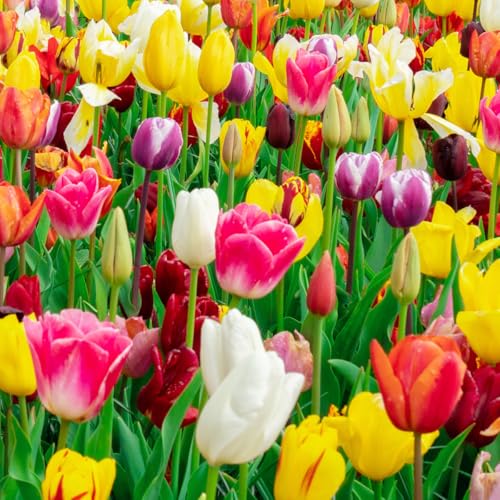
You’ll also find a recommended bulb option, the 35 Mixed Tulip Bulbs from Willard & May. This bulk pack features an assortment of colors perfect for beds, borders, and containers, making it an excellent choice for beginner and seasoned gardeners alike.
Willard & May
35 Mixed Tulip Bulbs – Assorted for Spring Color – Perfect for Beds, Borders & Containers – Bulk Pack of Flowers for Spring – Easy Fall Planting - Live Garden - Bulb Size 11/12cm - Willard & May
- 35 ASSORTED TULIP BULBS: Features a colorful blend of tulips to brighten up gardens and containers.
- GREAT FOR SMALL GARDENS: Enough bulbs to fill a raised bed, large planter, or front garden border.
- WINTER-HARDY IN ZONES 3 TO 8: Plant in fall for a stunning spring display. Deer-resistant and easy to maintain.

Choosing the Right Tulip Bulbs
Okay, but how much does this actually matter? Selecting high-quality tulip bulbs is crucial for a beautiful display. Look for bulbs that are firm and free from mold or soft spots. The size of the bulb is also significant; larger bulbs (11/12 cm is ideal) tend to produce bigger flowers. Consider the tulip varieties that suit your garden’s aesthetic. You can choose from early, mid, and late-blooming types to extend the blooming season.
Ideal Planting Conditions
What conditions do tulips need? Tulips thrive in well-draining soil, preferably sandy or loamy. They enjoy full sun to partial shade, so choose a location that receives at least 6 hours of sunlight daily. The soil pH should be between 6.0 and 7.0. If your soil is heavy clay or retains water, consider amending it with compost or planting in raised beds to improve drainage.
When to Plant Tulips
Timing is everything. Tulips should be planted in the fall, ideally 6-8 weeks before the ground freezes. This allows the bulbs to establish roots before winter. Typically, this means planting between September and November, depending on your climate zone. For example, in warmer areas (Zone 8), aim for mid-October, while colder regions (Zone 3) may start as early as late September.
Step-by-Step Planting Process
Let’s break it down into manageable steps:
- Prepare the soil by loosening it to a depth of about 12 inches and mixing in compost.
- Dig holes that are 6-8 inches deep, spaced 4-6 inches apart for most tulip varieties.
- Place the bulb in the hole with the pointed end facing up.
- Cover the bulb with soil and water lightly.
- Mulch with a layer of leaves or straw to retain moisture and protect against temperature fluctuations.
Following these steps will set your tulips up for success.
| Aspect | Recommended Value | Notes |
|---|---|---|
| Soil Type | Well-draining (sandy or loamy) | Avoid heavy clay soils |
| pH Level | 6.0 – 7.0 | Test soil before planting |
| Bulb Depth | 6-8 inches | Depth affects growth |
| Spacing | 4-6 inches apart | Allows for proper air circulation |
| Watering | Light watering after planting | Do not overwater |
What type of tulips should I plant?
Consider planting mixed varieties for a dynamic display. The 35 Mixed Tulip Bulbs option provides an excellent assortment to choose from, ensuring vibrant colors and different bloom times.
Can tulips grow in containers?
Absolutely. Tulips can thrive in containers as long as the pots have drainage holes and the soil is well-draining. Ensure the container is deep enough to accommodate the bulb’s growing roots.
How do I protect tulips from pests?
Use physical barriers like netting, or plant companion flowers known to deter pests. Tulips are generally deer-resistant, but other pests like slugs can be an issue.
What if the bulbs don’t bloom?
Several factors could contribute to this, including poor soil, insufficient light, or planting bulbs too shallow. Check the depth and soil quality if blooms fail to appear.
How do I care for tulips after planting?
Water them lightly if there’s no rain for a prolonged period. Once they bloom, deadhead spent flowers to encourage energy to go back into the bulb for next year’s growth.
Final Thoughts on Planting Tulips in Fall
- Select high-quality bulbs for best results.
- Plant in well-draining soil with proper spacing.
- Time your planting according to your climate zone.
- Mulch to protect bulbs during winter.
- Monitor for pests and water as needed.
- Consider the 35 Mixed Tulip Bulbs as a great starting point.


