
Imagine stepping outside to a garden bursting with vibrant colors, all without lifting a finger to replant every season. Self-seeding annual flowers make this dream a reality. They drop seeds at the end of their bloom cycle, allowing new plants to emerge the following year. This natural cycle not only saves time and effort but also creates a lush, inviting space for both you and local pollinators.
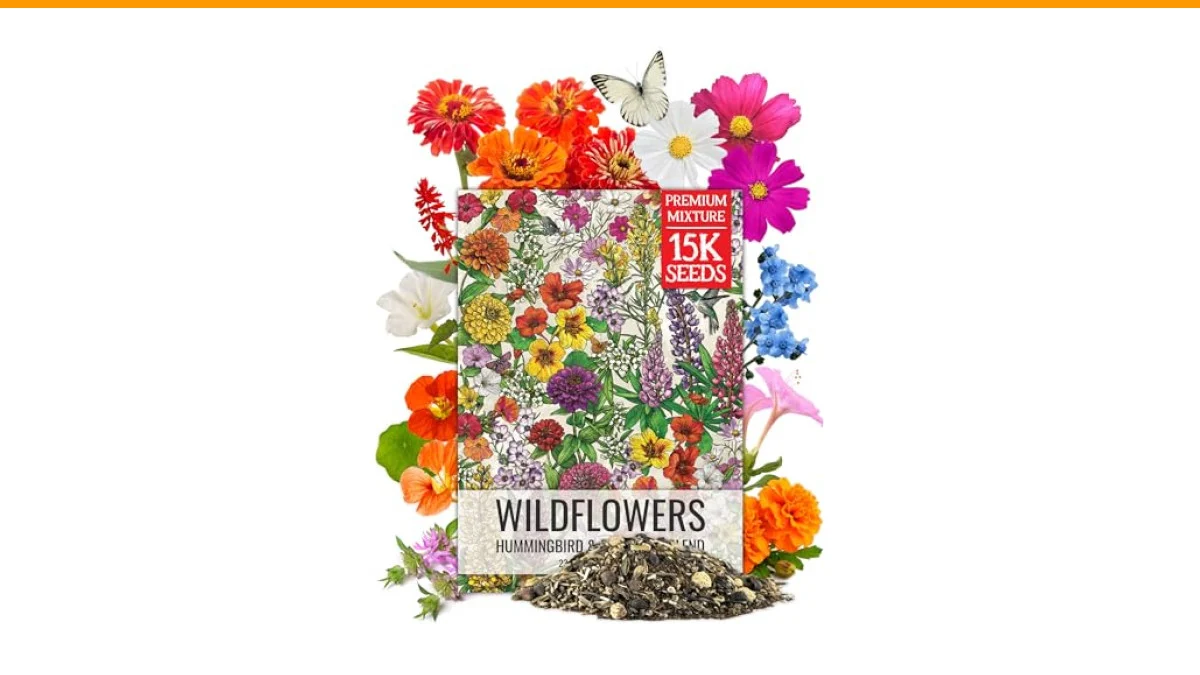
In this article, you’ll learn how to select the best self-seeding annual flowers for your garden, when and how to plant them, and tips for maintaining their growth. You’ll also discover a great product to help you attract a variety of pollinators: the Seed Needs Flower Seeds Hummingbird and Butterfly Mix. This bulk pack contains a rich variety of annual and perennial flower seeds, perfect for creating a beautiful, pollinator-friendly garden.

Seed Needs
Seed Needs Flower Seeds Hummingbird and Butterfly Mix 1 Ounce Bulk Pack
- Flower Seeds: Premium bulk package of wildflower seeds to establish a colorful garden filled with red flowers, orange flowers, yel…
- Annual Flower Seeds: Includes varieties like snapdragon seeds, china aster seeds. cosmos seeds, forget me not seeds, larkspur seed…
- Perennial Flower Seeds: Our Butterfly Mix contains a few perennial / tender perennial flower seeds, such as butterfly milkweed see…
Understanding Self-Seeding Annuals
Self-seeding annual flowers are plants that complete their life cycle in one growing season. After blooming and producing seeds, they die off, but not before dropping seeds that will germinate the following spring. This natural regeneration process allows gardeners to enjoy a continually evolving display of color without having to replant each year.
Some popular self-seeding annuals include:
- Cosmos
- Snapdragons
- Calendula
- Sunflowers
- Clarkia
Choosing the Right Self-Seeding Annual Flowers
When selecting self-seeding annual flowers, consider the following factors:
- Climate: Different flowers thrive in varying climates. Make sure to choose varieties suited to your local weather conditions.
- Soil Type: Well-draining soil is essential. Test your soil’s pH and nutrient levels to determine if amendments are needed.
- Sun Exposure: Most annuals prefer full sun, so assess the light conditions of your garden space.
- Color Preferences: Select a mix of colors to create visual interest throughout the growing season.
Planting and Caring for Self-Seeding Annuals
Planting self-seeding annual flowers is straightforward:
- Timing: Sow seeds in spring, after the last frost. Some gardeners prefer to start them indoors a few weeks earlier.
- Spacing: Check the seed packet for specific spacing instructions. Generally, a distance of 12-18 inches apart works well for most annuals.
- Watering: Keep the soil consistently moist until seedlings establish. Once established, many self-seeding annuals can survive on less water.
- Mulching: Apply a layer of mulch to suppress weeds and retain soil moisture.
- Deadheading: Regularly remove spent flowers to promote prolonged blooming.
Comparison of Common Self-Seeding Annuals
| Flower | Sun Requirements | Height | Bloom Time | Color Options |
|---|---|---|---|---|
| Cosmos | Full Sun | 2-4 feet | Summer to Frost | Pink, White, Red |
| Snapdragons | Full Sun to Partial Shade | 1-3 feet | Spring to Early Summer | Multiple Colors |
| Calendula | Full Sun | 1-2 feet | Spring to Fall | Yellow, Orange |
| Sunflowers | Full Sun | 3-10 feet | Summer | Yellow, Red, Brown |
What are self-seeding annual flowers?
Self-seeding annual flowers are plants that complete their life cycle in one year, dropping seeds that germinate the following spring. This allows them to regrow without needing to be replanted.
How do I encourage self-seeding?
To encourage self-seeding, let flowers go to seed before cutting them back. Avoid deadheading if you want them to reseed naturally.
Are self-seeding annuals invasive?
Some self-seeding annuals can become invasive, especially in favorable climates. Monitor their growth and remove excess seedlings as needed.
Can I mix self-seeding annuals with perennials?
Absolutely! Mixing self-seeding annuals with perennials creates a dynamic garden. Just ensure the annuals won’t overshadow the perennials.
When should I plant self-seeding annuals?
Plant self-seeding annuals in spring, after the last frost. Some gardeners start them indoors to get a head start.
Final Thoughts for a Vibrant Garden
- Choose self-seeding annuals suited to your climate and soil.
- Plant in spring for best results; consider starting indoors.
- Water regularly until established, then reduce frequency.
- Encourage self-seeding by allowing flowers to go to seed.
- Mix annuals with perennials for a colorful, diverse garden.
- Monitor for invasiveness and manage accordingly.
- Consider products like the Hummingbird and Butterfly Mix for more pollinator-friendly options.


