
Gardening enthusiasts often face a common dilemma when it comes to planting bulbs: how deep should they be planted? This question may seem straightforward, yet the depth can significantly affect the health and blooming of your plants. Planting at the correct depth ensures that bulbs develop strong roots and can access essential nutrients and moisture from the soil. In this article, you’ll learn specific planting depths for different types of bulbs and some practical tips to help you achieve beautiful blooms.
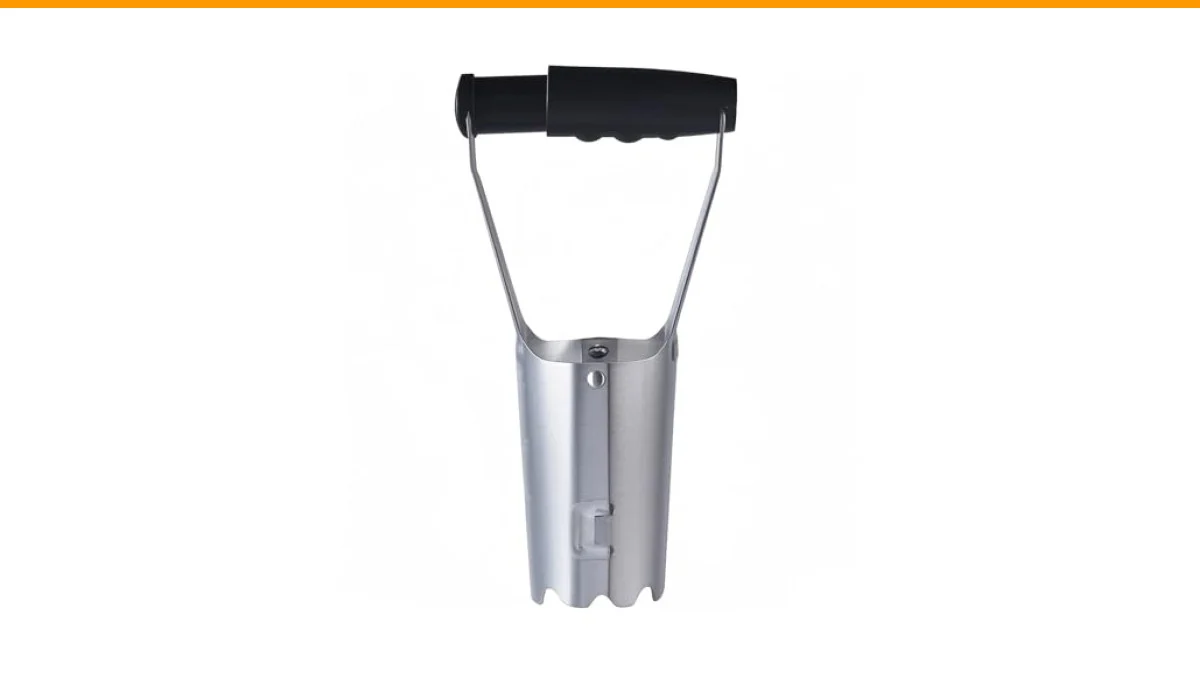
Using the right tools can make a huge difference in your bulb-planting experience. The Toresano Bulb Planter is designed to make digging holes easier, especially in heavy soil. With its reinforced steel construction and marked depth scale, this tool allows for accurate and uniform planting every time, making it a valuable addition to your gardening toolkit.

Toresano
Toresano Bulb Planter, Bulbs Transplanter for Digging Holes
- Get Excellent Results: Our sod plugger reinforced steel construction prevents bending and makes digging in heavy soil easier
- First Quality Construction: This grass plugger is made from high-hardness materials, ensuring long-lasting durability and resistan…
- Accurate Depth Every Time: Toresano seed planter features a clearly marked depth scale, ensuring precise and uniform planting dept…
Understanding Bulb Planting Depths
Different bulbs require varying depths for optimal growth. Generally, the planting depth is about two to three times the height of the bulb. However, specific types of bulbs have their own unique requirements. Here’s a detailed look:
1. Spring Flowering Bulbs
- Daffodils: 6-8 inches deep
- Tulips: 6-8 inches deep
- Crocus: 3-4 inches deep
- Hyacinths: 6-8 inches deep
Spring flowering bulbs thrive when planted at these depths, which allow them to establish robust root systems before blooming.
2. Summer Flowering Bulbs
- Lilies: 6-8 inches deep
- Dahlias: 4-6 inches deep
- Gladiolus: 4-6 inches deep
Summer flowering bulbs need adequate depth to prevent them from being uprooted by wind or rain. This depth also helps with moisture retention.
3. Fall Flowering Bulbs
- Allium: 6-8 inches deep
- Freesia: 4-6 inches deep
These bulbs benefit from deeper planting, which helps them survive colder weather and promotes better flowering in the spring.
4. Other Considerations
Consider your soil type when planting bulbs. Sandy soils drain quickly, so you might plant slightly deeper. In heavy clay soils, roots may struggle, so planting at the recommended depth is usually best. Always ensure the hole is well-drained to prevent bulb rot.
| Bulb Type | Recommended Depth | Soil Type Considerations |
|---|---|---|
| Daffodils | 6-8 inches | Well-drained, loamy soil |
| Tulips | 6-8 inches | Loamy or sandy soil preferred |
| Lilies | 6-8 inches | Rich, well-drained soil |
| Dahlias | 4-6 inches | Loamy soil for drainage |
| Allium | 6-8 inches | Well-drained soils |
FAQs About Planting Depths
How can I tell if I’ve planted my bulbs at the right depth?
After planting, a simple rule of thumb is to ensure that the bulb is covered with 2-3 times its height of soil. If you have a depth marker tool, like the Toresano Bulb Planter, use it to check your planting depth for accuracy.
What happens if I plant bulbs too deep?
If bulbs are planted too deep, they may struggle to reach the surface. This can delay flowering or prevent them from blooming altogether. Always adhere to recommended depths.
Can I plant bulbs in heavy clay soil?
Yes, but you should amend it with organic matter to improve drainage. Consider planting bulbs slightly shallower in heavy clay to minimize the risk of rot.
What can I do if my bulbs don’t bloom?
Check the planting depth first. If they were planted too deep, this could be the issue. Also, consider whether they received enough sunlight and water during their growing season.
Is there a specific time of year to plant bulbs?
Most bulbs should be planted in the fall for spring blooms, while summer-flowering bulbs are typically planted in the spring. Timing ensures that they establish roots before their respective blooming seasons.
Effective Bulb Planting Tips
- Always check the specific depth requirements for each type of bulb.
- Use a depth marker tool, like the Toresano Bulb Planter, for accurate planting.
- Consider soil type when determining depth.
- Space bulbs adequately to prevent overcrowding.
- Water bulbs after planting to help settle the soil.
Avoid common mistakes like planting too deep or too close together. Focus on proper soil conditions and depths to ensure vibrant blooms every season.
For more gardening tips, check out our article on growing bulbs for plants or discover how to plant seeds for indoor planting.


