
Understanding Perennials for Clay Soil
Gardening can be incredibly rewarding, but it poses unique challenges when dealing with clay soil. Imagine planting a beautiful garden, only to watch as your flowers struggle to thrive due to poor drainage and nutrient retention. Clay soil, known for its compacted nature, can hold water, leading to root rot, yet it can also be fertile and supportive of life when properly managed. In this article, you’ll learn about the best perennials for clay soil, tips for improving your garden’s conditions, and how to maintain your soil’s health.
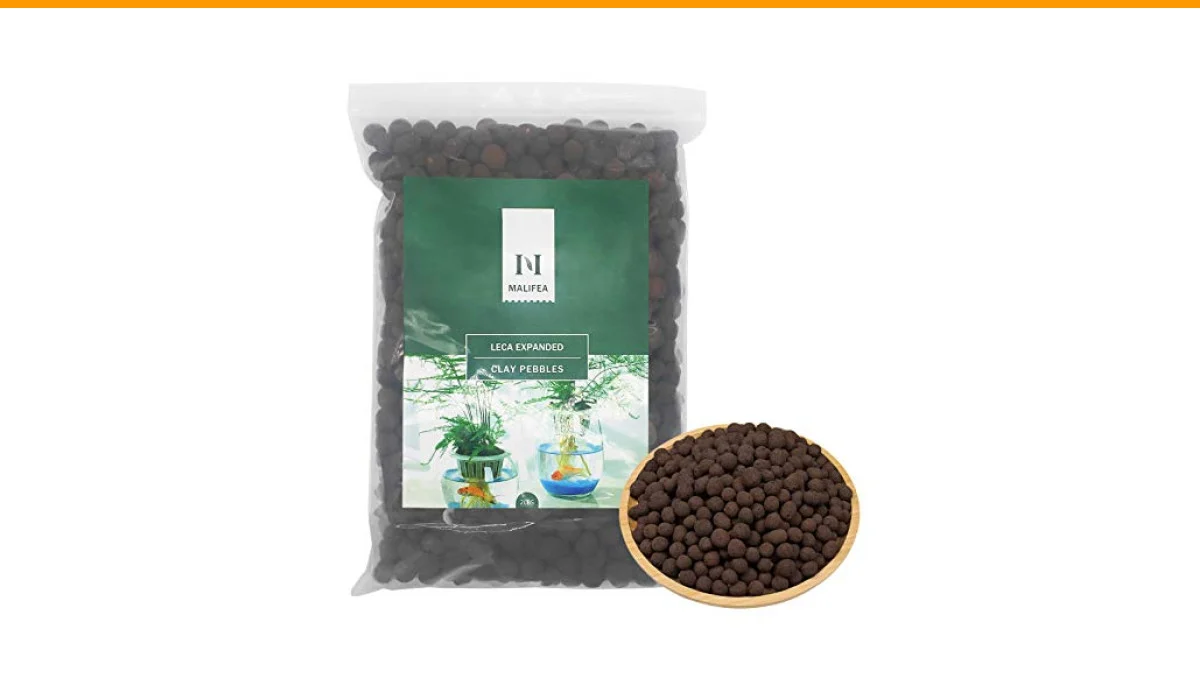
Choosing the right plants for clay soil not only enhances your garden’s beauty but can also significantly reduce maintenance efforts. One of the tools that can help improve your soil’s structure is the Malifea 2LBS Leca Expanded Clay Pebbles. These natural clay pebbles provide excellent aeration and help prevent rot, making them a great addition to your gardening supplies.

Malifea
Malifea 2LBS Leca Expanded Clay Pebbles Hydroponics Supplies for Indoor Garden Plants (2LBS)
- 2LBS Natural Expanded Clay Pebbles - It is lighter than ordinary soil, not broken after soaking, not easy to blow away, inert, pH-…
- 6 - 18mm Clay Ball - The size of the pebbles is perfect for small to medium pots and garden plants .
- Hydroponics Supplies - The clay pebbles porous structure provides excellent aeration for plants hydroponic. And prevents rotting,…
Characteristics of Clay Soil
Clay soil is dense and heavy, which can make it challenging for roots to grow. It retains moisture, which is beneficial in dry spells, but can lead to waterlogged conditions. Here are some key features of clay soil:
- Texture: Fine particles make it compact and sticky when wet.
- Drainage: Sluggish drainage can result in pooling water.
- Nutrient Retention: Holds nutrients well, but sometimes lacks in availability due to compaction.
Understanding these characteristics helps in selecting perennials that can thrive and even improve soil conditions.
Top Perennials for Clay Soil
Here’s a list of perennials that are well-suited for clay soil:
- Bee Balm (Monarda didyma): This perennial attracts pollinators and thrives in moist, clay soils. It blooms in mid-summer with vibrant red, pink, or purple flowers.
- Daylilies (Hemerocallis): Known for their hardiness, daylilies adapt well to various soil types, including clay. They offer a wide range of colors and bloom from spring to fall.
- Black-eyed Susan (Rudbeckia hirta): A native wildflower, it tolerates clay soil and produces bright yellow flowers that bloom from summer to fall.
- Astilbe: This perennial loves moisture and can thrive in clay soils that retain water. Its feathery plumes add texture and color to gardens.
- Japanese Iris (Iris ensata): Ideal for wet clay areas, Japanese Iris produces stunning flowers in late spring to early summer.
- Hostas: While primarily known for their foliage, many hostas can tolerate clay soil conditions and thrive in shaded areas.
- Peonies: These beautiful perennials prefer well-drained clay and can last for decades, offering stunning blooms in late spring and early summer.
Each of these plants not only adds beauty to your garden but also contributes to improving soil health over time.
Improving Clay Soil Conditions
While choosing the right plants is crucial, improving your clay soil conditions can lead to even better growth. Here are some strategies:
- Add Organic Matter: Incorporate compost or well-rotted manure into the soil to improve its structure and nutrient content.
- Mulching: Apply a layer of mulch to retain moisture, regulate temperature, and enhance soil fertility.
- Soil Aeration: Aerate the soil to reduce compaction and allow roots to penetrate more easily. Consider using a lawn aerator for this purpose.
- Regular Testing: Use a soil tester to monitor pH levels and nutrient content, ensuring your plants have what they need to thrive.
These practices will not only support your perennials but also enhance the overall health of your garden.
Comparison of Perennials for Clay Soil
| Plant Name | Bloom Time | Soil Preference | Height |
|---|---|---|---|
| Bee Balm | Mid-Summer | Moist Clay | 2-4 ft |
| Daylilies | Spring to Fall | Adaptable | 1-3 ft |
| Black-eyed Susan | Summer to Fall | Clay Tolerant | 1-3 ft |
| Astilbe | Late Spring | Moist Clay | 1-3 ft |
| Japanese Iris | Late Spring | Wet Clay | 2-4 ft |
| Hostas | Summer | Clay Tolerant | 1-3 ft |
| Peonies | Late Spring | Well-drained Clay | 2-3 ft |
What are the best perennials for clay soil?
Some of the best perennials for clay soil include Bee Balm, Daylilies, Black-eyed Susan, Astilbe, Japanese Iris, Hostas, and Peonies. These plants thrive in compacted conditions while offering vibrant blooms.
How can I improve clay soil?
Improving clay soil can be done by adding organic matter, mulching, aerating, and regularly testing the soil for nutrient levels.
Can perennials survive in clay soil?
Yes, many perennials are well-suited for clay soil. They can adapt to its conditions, making them a great choice for such environments.
What is the best way to plant in clay soil?
When planting in clay soil, dig a hole slightly larger than the root ball, mix in compost, and ensure proper spacing for air circulation.
Is clay soil good for gardening?
Clay soil can be good for gardening when properly managed. It retains moisture and nutrients, beneficial for many plants.
Gardening Tips for Success
- Choose perennials that thrive in clay soil.
- Incorporate organic materials regularly.
- Aerate the soil to improve root growth.
- Monitor soil moisture levels to avoid waterlogging.
- Utilize mulch to retain moisture and suppress weeds.


