Garlic is a staple in many kitchens, known for its robust flavor and numerous health benefits. Imagine chopping fresh garlic cloves from your own garden, adding an aromatic touch to your favorite dishes. Growing garlic not only enhances your culinary creations but also provides a satisfying gardening experience. This article will guide you through the intricacies of planting and growing garlic, ensuring you achieve a successful harvest.
You’ll discover the best practices for soil preparation, planting techniques, and ongoing care. With the right knowledge, you can cultivate your own garlic and enjoy its bold flavor right from your backyard.

Pilestone
Garlic Seed Bulbs, Large Cloves, Cold Hardy, Bold Flavor (5)
- Bold Flavor: Enjoy the rich, spicy taste that garlic is renowned for—perfect for enhancing your culinary creations.
- Cold Hardy: These garlic seeds thrive in cooler climates and can withstand harsh winter conditions.
- Large Cloves: Easy to peel and plant, yielding an abundant harvest of sizeable garlic cloves.
To get started, consider high-quality garlic seed bulbs like Garlic Seed Bulbs, Large Cloves, Cold Hardy, Bold Flavor. These bulbs are specifically designed for home gardeners and food enthusiasts, ensuring you have a reliable and flavorful crop.

Choosing the Right Garlic Variety
Garlic generally falls into two categories: hardneck and softneck. Hardneck garlic produces a flower stalk and is known for its robust flavor. It thrives in colder climates and is often preferred by chefs. Softneck garlic, on the other hand, is more common in grocery stores and stores well, making it ideal for home use.
Here are some popular varieties to consider:
- Hardneck Garlic: Includes varieties like Rocambole and Porcelain. These have a stronger flavor and are best for colder regions.
- Softneck Garlic: Includes Artichoke and Silverskin. These have a milder taste and are suitable for warmer climates.
Choosing the right variety is essential for your local climate and your culinary preferences. Take into account your growing conditions before making a selection.
Soil Preparation and Planting Garlic
Garlic prefers well-draining soil rich in organic matter. Ideal soil pH is between 6.0 and 7.0. Consider these steps for soil preparation:
- Test your soil’s pH and nutrient levels.
- Amend the soil with compost or aged manure to improve fertility.
- Ensure the soil is loose and well-aerated.
After preparing the soil, it’s time to plant your garlic:
- Timing: Plant garlic in the fall, about 4-6 weeks before the ground freezes. In warmer climates, you can plant in early spring.
- Spacing: Plant cloves 2-4 inches apart and 2 inches deep in rows spaced about 12 inches apart.
- Clove Selection: Use the largest cloves for planting, as they typically yield the best results.
Following these guidelines ensures your garlic has the best start possible.
Care and Maintenance for Your Garlic Crop
Garlic requires consistent attention throughout its growing season. Here are key care tips:
- Watering: Garlic needs about 1 inch of water per week. Water deeply but avoid waterlogging.
- Fertilization: Apply a balanced fertilizer in early spring as growth begins. This can boost bulb development.
- Weed Control: Keep the area weed-free to minimize competition. Hand-pulling is often effective.
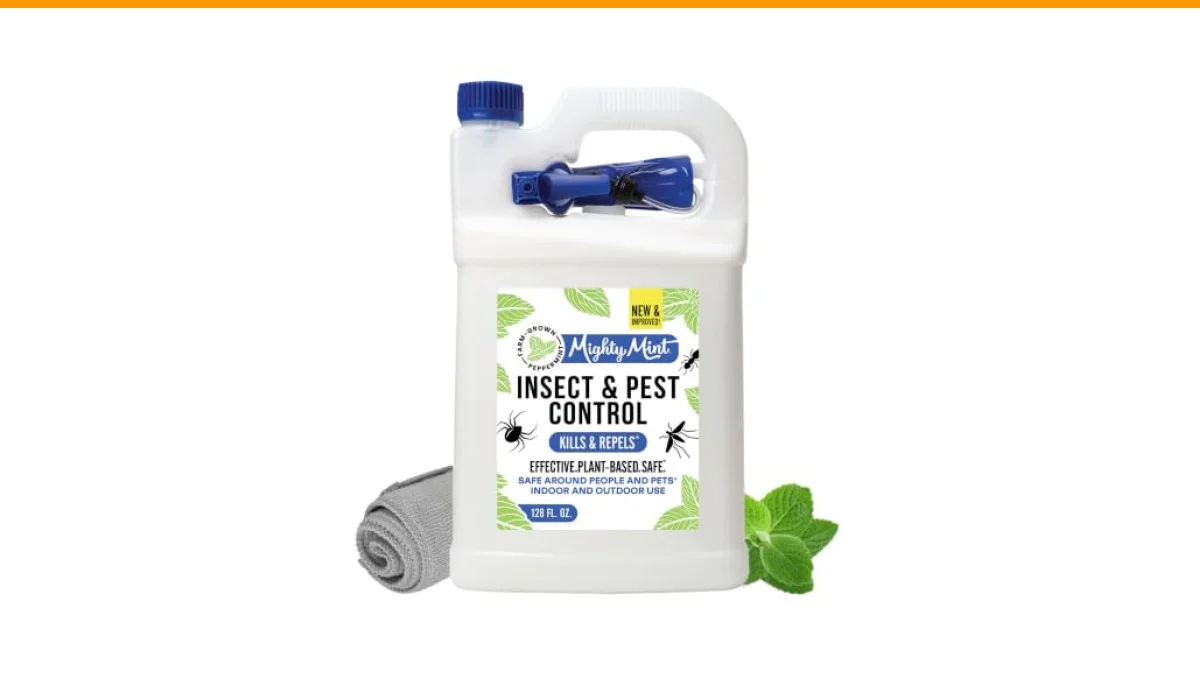
- Pest Management: Watch for pests like garlic bloat fly. Use traps or organic pesticides if necessary.
Adhering to these care guidelines will help you cultivate healthy garlic plants.
What Are Common Garlic Growing Mistakes?
Many gardeners encounter issues when growing garlic, often due to poor soil conditions or improper watering. Make sure to avoid:
- Planting in heavy, clay soil.
- Overwatering or underwatering.
- Failing to rotate crops each year, which can lead to disease.
Being mindful of these pitfalls will increase your chances of a successful garlic harvest.
Harvesting and Storing Garlic
Harvesting garlic is an exciting time! Watch for yellowing leaves and when about one-third of the leaves are brown. Here’s how to harvest and store properly:
- Loosen the soil around the bulbs with a garden fork, being careful not to damage them.
- Gently pull the bulbs from the ground.
- Brush off excess soil and allow them to cure in a dry, dark place for two to three weeks.
- Store cured garlic in a cool, dry place. Softneck varieties can be braided for storage.
Proper harvesting and storage techniques can extend the shelf life of your garlic significantly.
| Method | Pros | Cons |
|---|---|---|
| Hardneck Garlic | Stronger flavor, better for cold climates | Shorter shelf life, not as versatile |
| Softneck Garlic | Longer shelf life, adaptable to various climates | Milder flavor, less cold hardy |
FAQs About Growing Garlic
1. When is the best time to plant garlic?
Fall is typically the best time to plant garlic, around 4-6 weeks before the ground freezes. In milder climates, you can also plant in early spring.
2. How much water does garlic need?
Garlic generally needs about 1 inch of water per week. Ensure the soil is moist but not soggy.
3. Can I grow garlic in containers?
Yes, garlic can be grown in containers. Just ensure the pot has good drainage and is deep enough to accommodate the bulb’s growth.
4. How can I tell when garlic is ready to harvest?
Garlic is ready to harvest when the lower leaves turn yellow and brown, typically when one-third of the leaves have changed color.
5. What pests should I watch for when growing garlic?
Common pests include garlic bloat fly and aphids. Regular inspection and organic pest management can help control these issues.
Final Thoughts on Growing Garlic
- Select the right garlic variety for your climate.
- Prepare well-draining, nutrient-rich soil.
- Water and fertilize consistently throughout the growing season.
- Harvest when leaves start to brown and cure properly.
- Store garlic in a cool, dark place for longevity.
- Monitor for pests and weeds regularly.
- Consider using reliable seed bulbs like those from Pilestone for best results.
With these steps, you’ll be well on your way to a successful garlic harvest.