

How Often Should You Water Your Lawn: A Comprehensive Guide
Contents
Understanding Lawn Watering Needs
Imagine stepping into your yard on a hot summer day, only to find your lawn looking more brown than green. This situation can be distressing for any homeowner. Watering your lawn is essential for maintaining its health and aesthetics, but figuring out how often to do it can be confusing. In this article, you’ll learn the best practices for watering your lawn, including factors that influence its needs, how much water to use, and tips to achieve the best results.
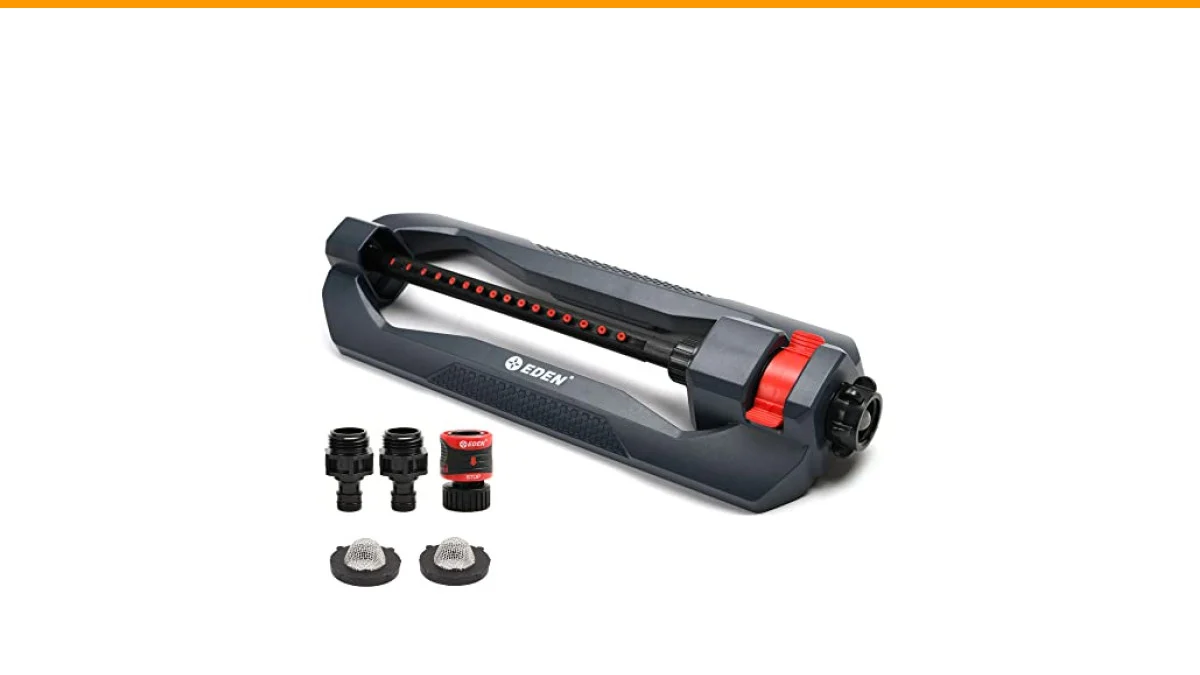
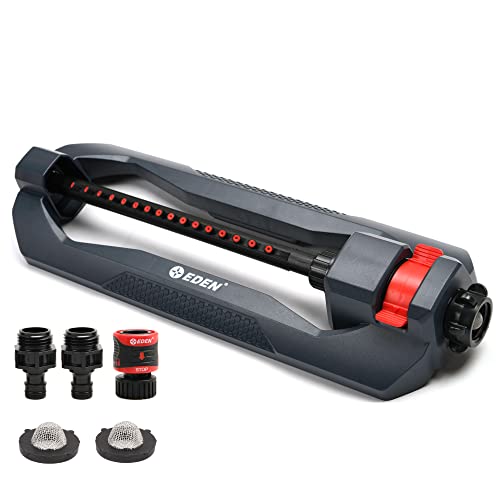
As you navigate this topic, consider tools that can simplify the process. For instance, the Eden 96213 Weighted Essential Oscillating Sprinkler is designed to cover areas up to 3,600 sq. ft., making it an excellent choice for efficiently watering your lawn.
Eden
Eden 96213 Weighted Essential Oscillating Sprinkler | Covers Up to 3,600 sq. ft., 16 Precision Nozzles, Adjustable Range, Turbo Drive Motor, Quick Connect Bundle, Stainless Steel Filters, Black
- 16 PRECISION NOZZLES- Provides even, consistent watering coverage for lawns and gardens up to 3,600 sq. ft..
- ADJUSTABLE WATERING RANGE- Range sliding tabs allow easy customization of the watering area for precise coverage.
- SEALED TURBO DRIVE MOTOR- Patented turbo drive design delivers smooth operation, quiet performance, and extended gear life.
Factors Influencing Lawn Watering Frequency
Several factors determine how often you should water your lawn:
- Climate: Hot, dry climates require more frequent watering than cooler, wetter regions.
- Grass Type: Different grass varieties, like Kentucky bluegrass or Bermuda, have unique water requirements.
- Soil Type: Sandy soils drain quickly and may need more frequent watering compared to clay soils, which retain moisture longer.
- Season: During spring and fall, lawns typically need less water than in the peak summer heat.
How Much Water Should You Apply?
Watering your lawn isn’t just about frequency; understanding how much to apply is crucial. Ideally, lawns should receive about 1 to 1.5 inches of water per week, including rainfall. Here’s how to measure it:
- Use a rain gauge or an empty tuna can to gauge the amount of water your sprinkler puts out.
- Run your sprinkler for 15 minutes and measure the water collected in the can.
- Multiply the measurement by four to estimate the hourly output. Adjust your watering schedule accordingly.
Optimal Watering Schedule
Determining the right watering frequency can be straightforward if you consider the following guidelines:
- **Early Morning**: Watering between 6 a.m. and 10 a.m. is most effective as the sun is low, minimizing evaporation.
- **Frequency**: Watering 2-3 times per week is often sufficient, but this can vary based on the factors mentioned above.
- **Adjust for Rain**: If rainfall occurs, adjust your watering schedule to prevent over-saturation.
Comparison of Watering Techniques
| Method | Description | Pros | Cons |
|---|---|---|---|
| Sprinkler System | Automated or manual systems that distribute water evenly. | Convenient, can cover large areas. | Can lead to overwatering if not monitored. |
| Soaker Hoses | Hoses that release water slowly into the soil. | Effective for deep watering, minimizes evaporation. | Can be less effective on uneven terrain. |
| Hand Watering | Using a hose or watering can to directly water plants. | Precise control over water application. | Time-consuming for large areas. |
Common Questions About Lawn Watering
How do I know if my lawn needs water?
Check the color and texture of the grass. If it appears dull and feels dry, it’s time to water.
Can I overwater my lawn?
Yes, overwatering can lead to root rot and promote disease. Monitor the soil moisture to avoid this issue.
Is it better to water deeply or frequently?
Deep watering encourages deeper root growth. Aim for thorough watering less frequently rather than shallow watering every day.
What time of day is best to water?
Early morning is ideal as it minimizes evaporation and allows the grass to dry before evening.
How can I conserve water while watering my lawn?
Use drip irrigation or soaker hoses, and consider watering during cooler parts of the day.
Final Tips for Lawn Watering
- Test your soil moisture regularly to tailor your watering schedule.
- Observe weather patterns and adjust your watering accordingly.
- Utilize efficient watering tools, like the Eden 96213 Weighted Essential Oscillating Sprinkler, to enhance coverage and effectiveness.
- Monitor your lawn for signs of stress, like browning or wilting, to adjust your approach.
- Avoid watering during windy days to prevent uneven distribution and waste.
- Consider aerating your lawn to improve water absorption.
- Always check local guidelines on watering restrictions to comply with regulations.


