

Effective Strategies to Conserve Water When Watering Your Lawn
Contents
Every homeowner knows the frustration of watching their beautifully manicured lawn wither under the sun. With increasing concerns about water shortages and rising utility bills, finding ways to conserve water when watering a lawn has become essential. Not only does efficient watering save you money, but it also promotes a healthier lawn and contributes to environmental conservation. This article will guide you through effective strategies and tools to maintain a lush lawn while minimizing water usage.
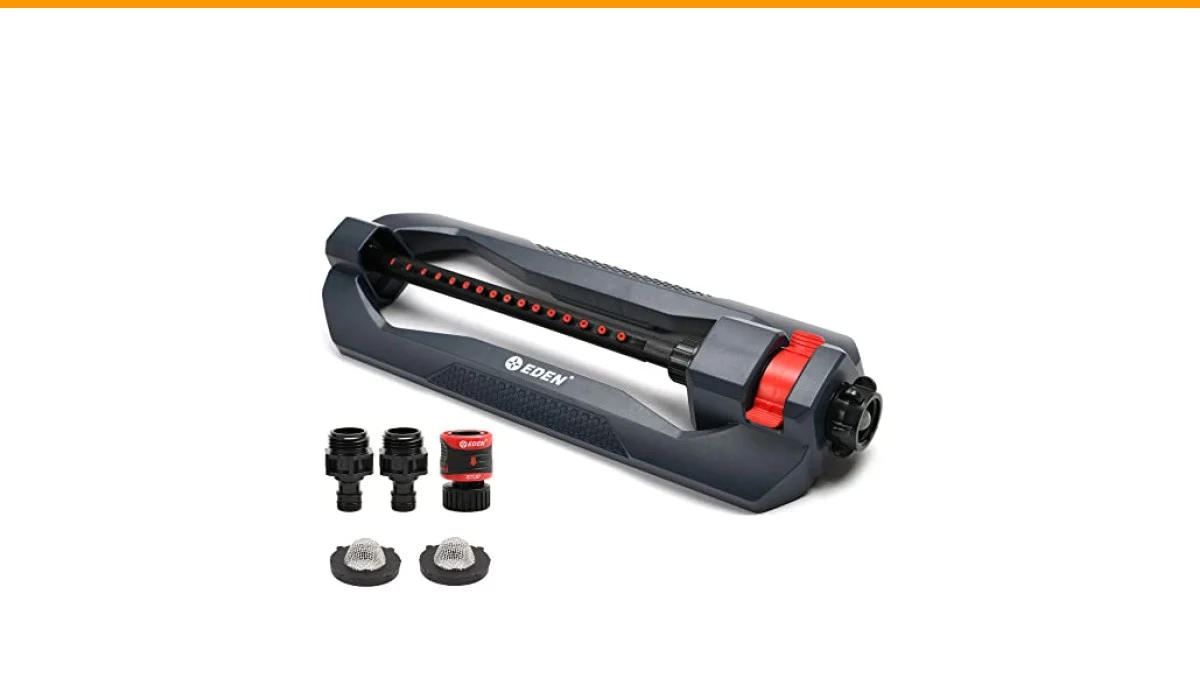
One effective tool that can aid in this effort is the Eden 96213 Weighted Essential Oscillating Sprinkler. This sprinkler covers up to 3,600 square feet and features 16 precision nozzles for even, consistent coverage. Its adjustable range and sealed turbo drive motor ensure efficient watering, making it a valuable addition to any lawn care routine.
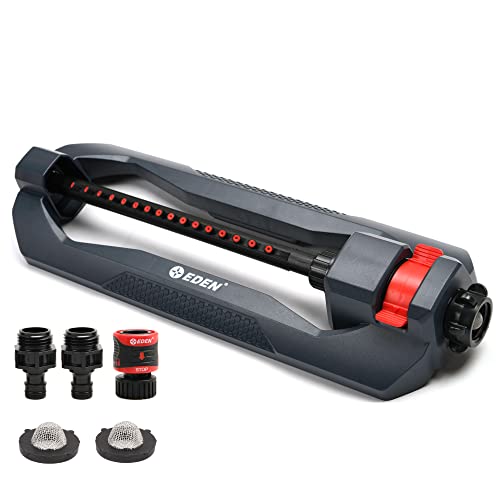
Eden
Eden 96213 Weighted Essential Oscillating Sprinkler | Covers Up to 3,600 sq. ft., 16 Precision Nozzles, Adjustable Range, Turbo Drive Motor, Quick Connect Bundle, Stainless Steel Filters, Black
- 16 PRECISION NOZZLES- Provides even, consistent watering coverage for lawns and gardens up to 3,600 sq. ft..
- ADJUSTABLE WATERING RANGE- Range sliding tabs allow easy customization of the watering area for precise coverage.
- SEALED TURBO DRIVE MOTOR- Patented turbo drive design delivers smooth operation, quiet performance, and extended gear life.
Understanding Water Requirements for Your Lawn
Different types of grass have varying water needs. Generally, most lawns require about 1 to 1.5 inches of water per week. However, this can change based on factors like climate, soil type, and grass variety. For example, Bermuda grass thrives in warmer climates and may require more frequent watering, while fescue is more drought-resistant. A rain gauge can help you measure how much water your lawn receives from rainfall and adjust your watering schedule accordingly.
Watering Techniques that Minimize Waste
Many homeowners water their lawns during the wrong times of day. Watering in the early morning or late afternoon reduces evaporation, allowing more water to penetrate the soil. Aim to water your lawn between 4 AM and 10 AM. During these hours, temperatures are cooler, and winds are often calmer, resulting in more efficient watering.
Another effective method is to use a soaker hose or drip irrigation system. These systems deliver water directly to the base of the plants, reducing evaporation and runoff. They are particularly useful for flower beds and gardens. Soaker hoses can be buried under mulch to further reduce evaporation.
Common Misconceptions about Lawn Watering
One common misconception is that more water equals a healthier lawn. Overwatering can lead to shallow root systems, making grass less drought-tolerant. Aim for deep watering once or twice a week instead of light daily watering. This encourages roots to grow deeper and makes the lawn more resilient to drought conditions.
Another misconception is that brown patches indicate the need for more water. In many cases, these patches can be caused by fungal diseases or pests. It’s essential to diagnose the problem properly before increasing your watering schedule.
Choosing the Right Equipment for Efficient Watering
The right tools can make a significant difference in water conservation. Equipment like the Eden 96213 Weighted Essential Oscillating Sprinkler features adjustable settings that allow you to customize the watering area. This precision helps to avoid over-spraying onto driveways or sidewalks, which wastes water. Additionally, tools with a quick-connect feature make it easier to switch between different watering methods, ensuring you use the best option for your lawn care needs.
| Watering Method | Pros | Cons |
|---|---|---|
| Sprinkler System | Even coverage, adjustable settings | Can waste water if not set correctly |
| Soaker Hose | Direct watering, minimizes evaporation | Requires initial setup, can clog |
| Drip Irrigation | Highly efficient, targeted watering | More expensive to install |
| Manual Watering | Complete control | Time-consuming, can lead to overwatering |
How often should I water my lawn to conserve water?
Watering once or twice a week is generally sufficient. Deep watering encourages deeper root growth and reduces the frequency of watering.
What time of day is best for watering?
The best times are early morning (4 AM to 10 AM) or late afternoon. These times reduce evaporation and allow for better water absorption.
Can I water my lawn too much?
Yes, overwatering can lead to shallow roots and increase the risk of diseases. Aim for deep, infrequent watering instead.
What should I do if I notice brown patches on my lawn?
Brown patches can indicate drought stress, pests, or disease. Check for underlying issues before adjusting your watering schedule.
How can I check if my lawn is getting enough water?
Use a rain gauge to measure the amount of water your lawn receives. Aim for 1 to 1.5 inches of water per week, including rainfall.
Actionable Tips for Water Conservation
- Water early in the morning or late afternoon.
- Use a soaker hose or drip irrigation for efficiency.
- Adjust your sprinkler settings to avoid overspray.
- Monitor rainfall with a rain gauge.
- Choose drought-resistant grass types for your lawn.
- Regularly check for pests and diseases.
- Consider mulching to retain soil moisture.


