How to Improve Lawn Soil Drainage
Contents
Have you ever looked out at your lawn after a heavy rain and wondered why it looks more like a swamp than a vibrant green space? Poor soil drainage can lead to water pooling, which not only affects the appearance of your lawn but can also damage roots and promote diseases. By improving lawn soil drainage, you can create a healthier environment for your grass and plants.
This article will guide you through effective strategies to enhance lawn soil drainage. You’ll learn about assessing your current drainage situation, practical methods for improvement, and specific products that can assist in this process. With the right approach, you can transform your soggy lawn into a lush, thriving landscape.
For those who need a reliable way to evaluate soil conditions, a good soil tester can provide valuable insights. Check the current price on Amazon for options that cater to different soil types.
Assessing Your Lawn’s Drainage
Before making any changes, it’s vital to understand your current drainage situation. Start with a simple test: dig a hole about 12 inches deep and fill it with water. Monitor how quickly the water drains. Ideally, it should take no longer than 4 to 6 hours for the water to disappear. If it takes longer, your soil likely has drainage issues.
Observe your lawn for signs of poor drainage, such as:
- Puddles forming after rain
- Grass that appears yellow or wilted
- Soil that stays wet for days
Methods to Improve Lawn Soil Drainage
Improving lawn soil drainage involves a combination of physical modifications and the addition of amendments. Here are some effective methods:
1. Aeration
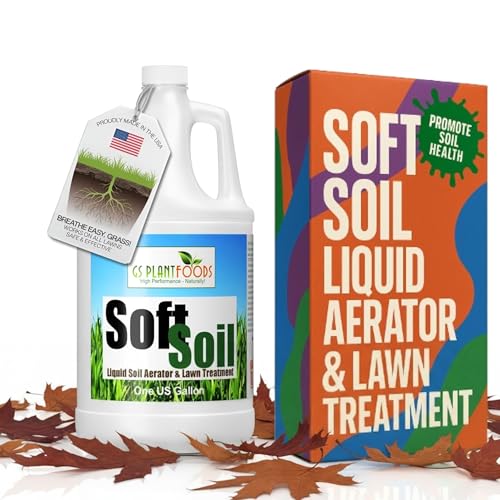
Aeration involves perforating the soil with holes to allow air, water, and nutrients to penetrate deeper. This process reduces soil compaction, which is often a primary cause of poor drainage. You can use a manual or powered aerator, targeting high-traffic areas or spots that tend to retain water. Aerate your lawn during the growing season, ideally in the spring or fall. Aim for holes spaced about 2 to 4 inches apart, and make sure they are at least 3 inches deep.
2. Adding Organic Matter
Incorporating organic matter such as compost can significantly improve soil structure and drainage. Organic matter enhances the soil’s ability to retain moisture while allowing excess water to drain more effectively. Spread a 1-2 inch layer of compost over your lawn and till it into the top few inches of soil. This can be done annually to maintain soil health.
3. Installing Drainage Solutions
For severe drainage problems, consider installing a French drain or surface drainage systems. French drains consist of trenches filled with gravel and a perforated pipe that redirects excess water away from your lawn. Surface drains collect water from low spots and funnel it to a designated area. Both options require some excavation, so plan accordingly and possibly consult a professional for installation.
4. Choosing the Right Plants
Planting species that thrive in wet conditions can also help manage excess moisture. Consider incorporating plants like ferns, willows, or native wetland species in areas prone to standing water. Their root systems can help absorb excess water and improve the overall drainage of your lawn.
Here’s a comparison of these methods:
| Method | Effectiveness | Cost | Difficulty |
|---|---|---|---|
| Aeration | Moderate | Low | Easy |
| Organic Matter | High | Low | Moderate |
| Drainage Solutions | Very High | High | High |
| Right Plants | Moderate | Varies | Easy |
Common Questions About Lawn Soil Drainage
What are the signs my lawn has drainage problems?
Common indicators include standing water after rain, consistently soggy soil, and areas where grass struggles to grow or appears yellow.
How often should I aerate my lawn?
Aeration should ideally occur once or twice a year, depending on your lawn’s conditions and foot traffic.
Can I improve drainage without professional help?
Yes, many methods like aeration and adding organic matter can be done on your own. However, for extensive drainage issues, consult a professional.
How does soil type affect drainage?
Soil types vary in drainage capabilities. Sandy soils drain quickly, while clay soils tend to retain water. Knowing your soil type helps tailor your drainage strategy.
What is the best time to improve lawn drainage?
The best time is during the growing season, typically in spring or fall, when the grass can quickly recover from any disruption.
Final Tips for Managing Lawn Drainage
- Regularly check for signs of poor drainage.
- Perform aeration at least once a year.
- Add organic matter to enrich soil texture.
- Consider installing drainage systems for severe issues.
- Choose plants that thrive in wet conditions in problematic areas.
- Use a soil tester to monitor soil health.
- Consult a professional for extensive drainage solutions.