
Imagine standing in your yard, looking at the patchy grass and wondering how to achieve that lush, green lawn you’ve always wanted. Choosing the right lawn mower is just as crucial as understanding your soil type. Sandy soil and clay soil each present unique challenges, and a mower that excels in one may struggle in another. In this article, we’ll explore the differences between lawn mowers suited for sandy versus clay soil, offering insights to help you make an informed choice.
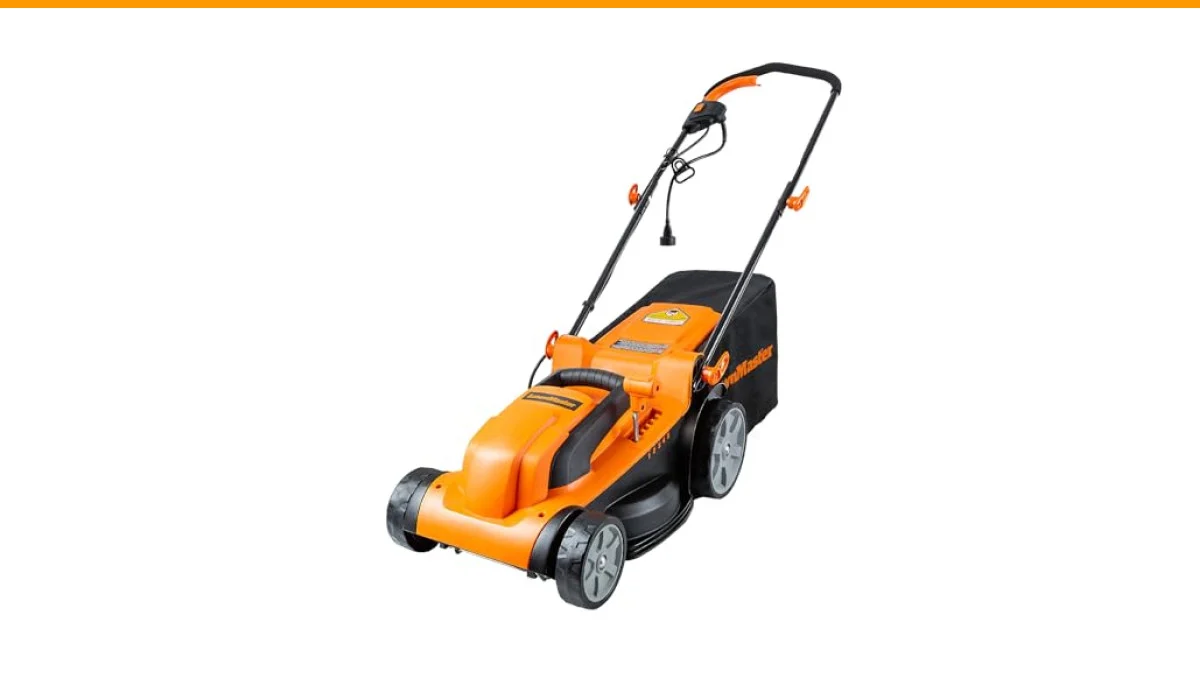
For those with sandy soil, the LawnMaster MEB1114K Electric Corded Lawn Mower offers a practical solution. Its powerful 11AMP motor and 14-inch cutting width make it efficient for tackling the often uneven texture of sandy lawns. The environmentally friendly electric design means no gas or batteries required, allowing for a quieter operation while you work on your lawn.

LawnMaster
LawnMaster MEB1114K Electric Corded Lawn Mower 15-Inch 11AMP
- POWERFUL PERFORMANCE: Tackle your yard with 3,300 RPM of power and a 14-inch cutting width
- ENVIRONMENTALLY FRIENDLY: No gas or batteries needed to power the mower
- CUSTOMIZE YOUR CUT: Effortlessly change the height of your cut with 5 cutting positions varying between 1.4-inches and 3-inches
On the other hand, clay soil requires a mower that can handle its dense, compact nature. Understanding these differences will help you choose the right machine for your lawn’s specific needs.
Understanding Sandy Soil vs. Clay Soil
Sandy soil is characterized by its gritty texture and excellent drainage properties. It warms up quickly in spring, making it easier to mow early in the season. However, sandy soil tends to dry out rapidly and may require more frequent watering and fertilization.
Clay soil, by contrast, has very fine particles that create a dense, heavy texture. It retains moisture well but can become compacted, making it difficult for lawn mowers to navigate. The challenge with clay is that it tends to become muddy when wet, increasing the risk of damaging your mower if you attempt to mow too soon after rainfall.
Choosing the Right Lawn Mower for Each Soil Type
When assessing a lawn mower for sandy soil, consider the following features:
- Lightweight Design: A lighter mower is easier to maneuver across sandy terrain.
- Cutting Width: A narrower cutting width, like the 14-inch of the LawnMaster MEB1114K, allows for better navigation around obstacles.
- Height Adjustment: Look for adjustable cutting heights to manage the variable growth of grass in sandy soil.
For clay soil, focus on these features:
- Powerful Motor: A mower with a robust motor can cut through the dense grass that thrives in clay.
- Heavy-Duty Wheels: Wider, sturdier wheels help prevent sinking into soft clay.
- Self-Propelled Options: These mowers can make it easier to navigate heavy soil without straining.
Comparative Features for Lawn Mowers
| Feature | Sandy Soil Mower | Clay Soil Mower |
|---|---|---|
| Weight | Lightweight | Heavier, more robust |
| Cutting Width | Narrow (14-16 inches) | Wider (20+ inches) |
| Height Adjustment | Multiple positions | Multiple positions |
| Wheel Type | Standard or larger rear wheels | Heavy-duty wheels |
| Power Source | Electric or gas | Gas preferred for power |
FAQs About Lawn Mowers for Sandy vs Clay Soil
1. Can I use the same mower for both sandy and clay soil?
While it’s possible, using a specialized mower for each soil type will yield better results. Mowers designed for sandy soil often lack the power needed for clay.
2. What maintenance do lawn mowers require for sandy soil?
Regular cleaning and blade sharpening are essential. Sandy soil can dull blades quickly, so check them frequently.
3. How often should I mow sandy soil?
Due to its rapid growth, mowing sandy soil may be necessary every 1-2 weeks during peak growth seasons.
4. Can clay soil affect mower performance?
Yes, compacted clay can clog mower blades and cause them to overheat. Make sure to mow when the soil is dry to avoid this.
5. What is the best time to mow sandy soil?
Mornings are ideal when the grass is dry but still cool. This reduces stress on both the grass and the mower.
Final Thoughts for Lawn Care Enthusiasts
- Assess your soil type before purchasing a mower.
- Choose a lightweight mower for sandy soil.
- Look for a powerful motor and heavy-duty wheels for clay soil.
- Regular maintenance is key to prolonging mower life.
- Mow at the right time to ensure optimal lawn health.
- Consider investing in a specialized mower for each soil type.
- Stay informed about the best lawn care practices for your specific soil conditions.



