How to Fix Lawn Drainage Problems
Contents
Imagine stepping into your backyard after a heavy rain, only to find puddles forming in various spots. You might feel frustrated, especially when you know that poor drainage can lead to lawn diseases and even foundation issues for your home. Lawn drainage problems can plague homeowners, but the good news is that they can be fixed with the right knowledge and tools.
This article will walk you through understanding the causes of lawn drainage issues, how to assess your specific situation, and effective solutions to remedy those problems. You’ll gain insight into DIY methods and products that can help restore your lawn’s health and prevent future issues.

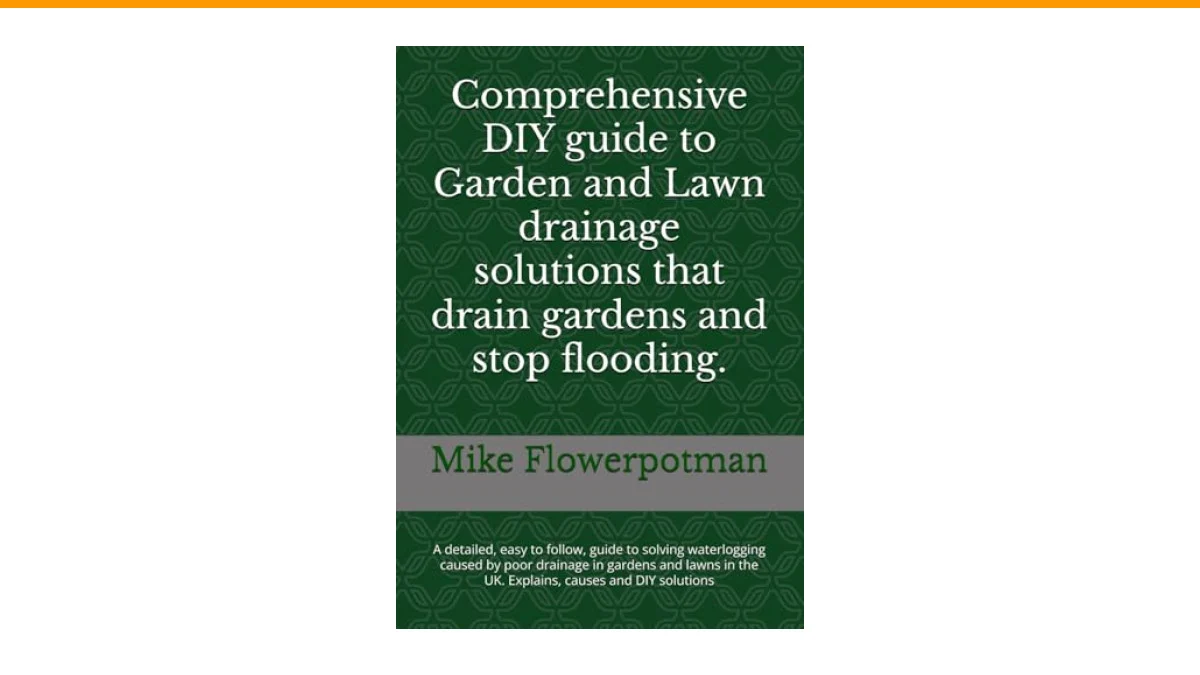
For those seeking a more structured approach, consider the Comprehensive DIY guide to Garden and Lawn drainage solutions by Majosta. This detailed guide lays out various drainage solutions tailored specifically for gardens and lawns, making it easier to tackle your drainage problems.
Understanding Lawn Drainage Problems
Okay, but how much does this actually matter? Poor drainage can lead to water pooling, which creates an environment ripe for diseases and pests. It can also affect the overall health of your grass and plants. Common causes of lawn drainage problems include:
- Soil type: Clay soil retains water, while sandy soil drains quickly. Loamy soil is ideal for lawns.
- Topography: Low spots in the yard may collect water, while high spots may drain too quickly.
- Obstructions: Roots, rocks, or debris can block drainage paths, causing water to pool.
- Improper grading: If your lawn isn’t graded away from your home, water can accumulate near the foundation.
Assessing Your Lawn’s Drainage
How do you figure out what’s causing the problem? Start by observing your lawn after heavy rain. Take note of where the water collects and how long it takes to drain. Here are some practical steps:
- Perform a percolation test: Dig a 12-inch deep hole and fill it with water. Time how long it takes for the water to drain. Ideally, it should drain within 1-2 hours.
- Check your soil type. Is it clay, sandy, or loamy? This will affect how you approach fixing drainage issues.
- Look for any obvious obstructions like roots or trash that may be blocking water flow.
Once you’ve assessed your lawn, you can move on to specific solutions based on your findings.
Effective Solutions for Lawn Drainage Problems
What can you actually do to fix these issues? Here are several methods to consider:
- French Drains: A trench filled with gravel or rock that redirects water away from problem areas. It can handle a decent volume of water and is effective if installed correctly.
- Dry Wells: These are underground structures that collect excess water. They allow for gradual drainage into the surrounding soil.
- Soil Aeration: Aerating your lawn improves drainage by breaking up compacted soil. Use a manual or powered aerator to create holes in the soil.
- Regrading: Adjust the slope of your lawn to direct water away from your home. This may require professional help, especially for larger areas.
Choosing the right method depends on the severity of the drainage issue, your budget, and your willingness to tackle DIY projects.
Comparison of Lawn Drainage Solutions
| Solution | Cost | Difficulty Level | Effectiveness |
|---|---|---|---|
| French Drain | Medium | Moderate | High |
| Dry Well | Medium to High | Moderate | High |
| Soil Aeration | Low | Easy | Moderate |
| Regrading | High | Difficult | Very High |
This table summarizes the costs, difficulty, and effectiveness of popular drainage solutions, helping you make an informed decision.
What causes lawn drainage problems?
Common causes include soil type, topography, obstructions, and improper grading. Each of these factors can contribute to water pooling in your yard.
How can I tell if my lawn has drainage problems?
Look for standing water after rain, slow-draining areas in your yard, or patches of grass that appear unhealthy or soggy.
Can I fix drainage problems myself?
Yes, many drainage solutions can be tackled as DIY projects, especially soil aeration and installing French drains. More complex solutions like regrading may require professional help.
How much does it cost to fix lawn drainage problems?
Costs vary based on the solution. Simple fixes like aeration can be inexpensive, while installing a French drain or regrading can be more costly. Always check local prices for more accuracy.
How long does it take to fix drainage issues?
The time required depends on the solution. Simple aeration can be done in a day, while installing a French drain or regrading may take several days, especially if professional help is involved.
Practical Takeaways for Lawn Drainage
- Assess your lawn’s drainage by observing pooling water and conducting a percolation test.
- Identify the soil type and topography to choose the most effective drainage solution.
- Consider DIY methods like aeration or French drains for manageable problems.
- For complex issues, don’t hesitate to consult professionals for regrading or dry well installation.
- Regular maintenance of your lawn can prevent future drainage problems.
- Research local prices for materials and services to stay within budget.
- Stay proactive about lawn care to keep your yard healthy and well-drained.