
Imagine stepping into your yard only to find puddles forming after every rainfall. Water pooling on your lawn can lead to a host of problems, including disease, insect infestations, and unsightly patches. Understanding how to prevent water pooling is crucial for maintaining a healthy, vibrant lawn.
This article will guide you through effective methods to manage water drainage in your yard. You’ll learn practical solutions, including aeration techniques and the benefits of using soil conditioners. Additionally, we will discuss common mistakes to avoid, ensuring your lawn remains in top condition.
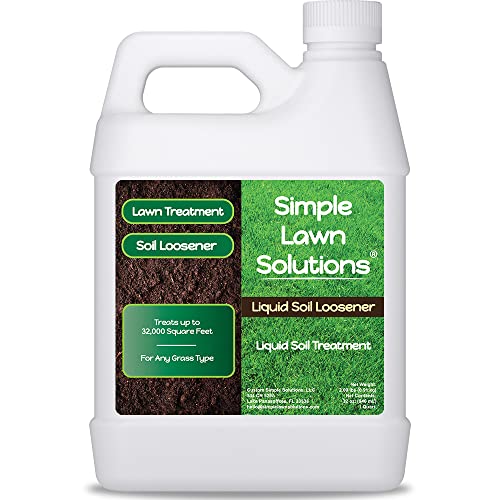
Simple Lawn Solutions
Liquid Soil Loosener- Soil Conditioner-Use alone or when Aerating with Mechanical Aerator or Core Aeration- Simple Lawn Solutions- Any Grass Type-Great for Compact Soils, Standing water, Poor Drainage
- Liquid Soil Loosener: Can be used Alone or with Mechanical or Core Aeration, Aerating and Aerate Tools. Liquid Soil Loosener Condi…
- Concentrated Soil Conditioner: Soften Your Soil with this Advanced Lawn Solution, Easy To Use Treatment. Liquid Soil Loosener is C…
- Helps Standing Water, Promotes Drainage: Improves Water and Liquid Infiltration. Use Alongside Any Turf Grass Fertilizer Nutrient…
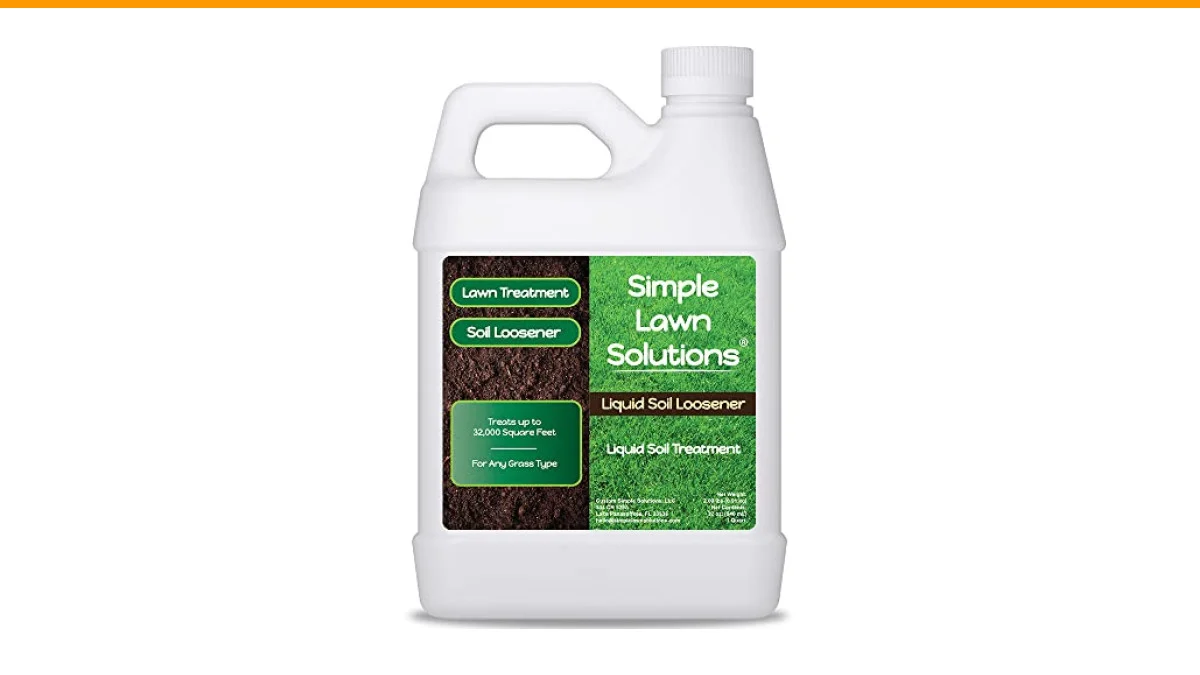
One helpful tool in your arsenal is the Liquid Soil Loosener from Simple Lawn Solutions. This concentrated soil conditioner works effectively to break up compacted soil, allowing water to drain properly. It can be used alone or in conjunction with aeration methods, making it a versatile option for improving your lawn’s drainage.
Understanding the Causes of Water Pooling
Before we tackle solutions, it’s essential to identify why water pools on your lawn. Several factors contribute to this issue:
- Soil Compaction: Heavy foot traffic or machinery can compact soil, reducing its ability to absorb water.
- Improper Grading: If your yard isn’t graded correctly, low spots can trap water.
- Soil Type: Clay soils tend to retain water, while sandy soils drain more effectively.
- Excessive Thatch: Thick layers of organic material can prevent water from reaching the soil.
Effective Strategies to Prevent Water Pooling
1. Aeration
Aerating your lawn is one of the most effective ways to alleviate soil compaction. It involves creating small holes in the soil to improve air and water penetration. You can use a mechanical aerator or opt for a core aerator that removes plugs of soil. Aim for aerating once or twice a year, ideally in the spring or fall.
2. Grading
If you notice persistent areas of pooling, consider regrading your lawn. This process involves reshaping the land to create a gentle slope that directs water away from low spots. A slope of at least 2% away from structures is recommended for optimal drainage.
3. Soil Amendments
Incorporating organic matter such as compost can improve soil structure and drainage. Mixing in materials like peat moss or sand can also help break up compacted clay soils. Apply a layer of compost before aerating to enhance water infiltration.
4. Installing Drainage Systems
If your lawn has significant drainage issues, a drainage system may be necessary. French drains or trench drains can redirect water to areas where it can be absorbed or away from your lawn altogether. This solution requires some initial investment but can resolve severe pooling problems.
Comparison of Methods to Prevent Water Pooling
| Method | Effectiveness | Cost | Maintenance Level |
|---|---|---|---|
| Aeration | High | Low | Low |
| Grading | Very High | Medium | Medium |
| Soil Amendments | Medium | Low | Low |
| Drainage Systems | Very High | High | Medium |
Frequently Asked Questions
How often should I aerate my lawn?
Aeration is best performed once or twice a year. Spring and fall are ideal seasons, as the grass is actively growing during these times.
Can I prevent water pooling with just soil amendments?
Soil amendments help, but they may not be enough if your lawn has severe compaction or grading issues. Combining methods often yields the best results.
What tools do I need for aeration?
You can use either a mechanical aerator or a core aerator. Both are effective, but the core aerator removes soil plugs, which can be more beneficial for drainage.
Is it possible to fix a drainage problem on my own?
Yes, many basic drainage issues can be addressed with aeration, grading, and soil amendments. However, for significant problems, it may be wise to consult a professional.
How long does it take to see results after aeration?
Results can vary, but generally, you’ll notice improved drainage within a few weeks after aeration, especially if followed up with soil amendments.
Action Steps to Take Today
- Aerate your lawn to relieve compaction.
- Assess your yard’s grading and make adjustments if necessary.
- Incorporate organic matter or soil conditioners to enhance drainage.
- Consider installing a drainage system for severe pooling.
- Monitor your lawn regularly for signs of pooling and act promptly.
- Consult with a lawn care expert if issues persist.
- Regularly maintain your lawn to prevent compaction and thatch build-up.



