Imagine stepping into your kitchen, reaching for a fresh onion from your pantry, and realizing you grew it yourself. There’s something deeply satisfying about cultivating your own food, and onions are a fantastic starting point for beginner gardeners. Growing onions from sets is not only straightforward but also yields tasty results. In this guide, you’ll learn the step-by-step process to successfully grow onions from sets, including how to plant, care for, and harvest them.
For those eager to start, consider the TomorrowSeeds – 3 Colors Mix Onion Sets. This mix includes vibrant red, white, and yellow onions, perfect for adding variety to your culinary creations. These sets are easy to grow and are particularly suited for novice gardeners.

TomorrowSeeds
TomorrowSeeds - 3 Colors Mix Onion Sets (Bulbs) - 1/2 Pound (~50 Sets) - Fresh Crop, Stored Cold, for 2026 Planting Yellow, Red, White, Excellent Storage Noon Intermediate Intermediate Day
- Offers a vibrant mix of red, white, and yellow onions
- Ideal for adding variety to culinary dishes
- Easy to grow and perfect for beginner gardeners
Understanding Onion Sets
Onion sets are small, immature bulbs that are planted to produce full-sized onions. They are typically available in various colors, including yellow, white, and red. The beauty of using sets is their resilience and ease of cultivation. Unlike seeds, which require more care and specific conditions to germinate, sets are ready to plant almost immediately and can thrive in diverse climates.
Steps to Grow Onions from Sets
- Choose the Right Location: Onions need full sunlight, ideally 6-8 hours a day. Select a well-drained area in your garden or use raised beds.
- Prepare the Soil: Onions prefer loamy, fertile soil with a pH of 6.0 to 6.8. Mix in compost or well-rotted manure to enhance soil quality.
- Planting Sets: Space onion sets about 4-6 inches apart, with rows 12-18 inches apart. Plant them with the pointed end facing up, burying them about 1-2 inches deep.
- Watering: Water the sets thoroughly after planting. They require consistent moisture, especially during dry spells. Keep the soil moist but not waterlogged.
- Mulching: Apply a layer of mulch around the plants to suppress weeds, retain moisture, and regulate soil temperature.
- Fertilizing: Use a balanced fertilizer every few weeks to promote healthy growth. Look for a fertilizer high in nitrogen in the early stages, then switch to one higher in potassium and phosphorus as they mature.
- Harvesting: Onions are ready to harvest when the tops start to yellow and fall over. Gently lift them from the soil, being careful not to bruise the bulbs.
Care and Maintenance Tips
Taking care of your onion sets can significantly influence their growth. Here are some key maintenance tips:
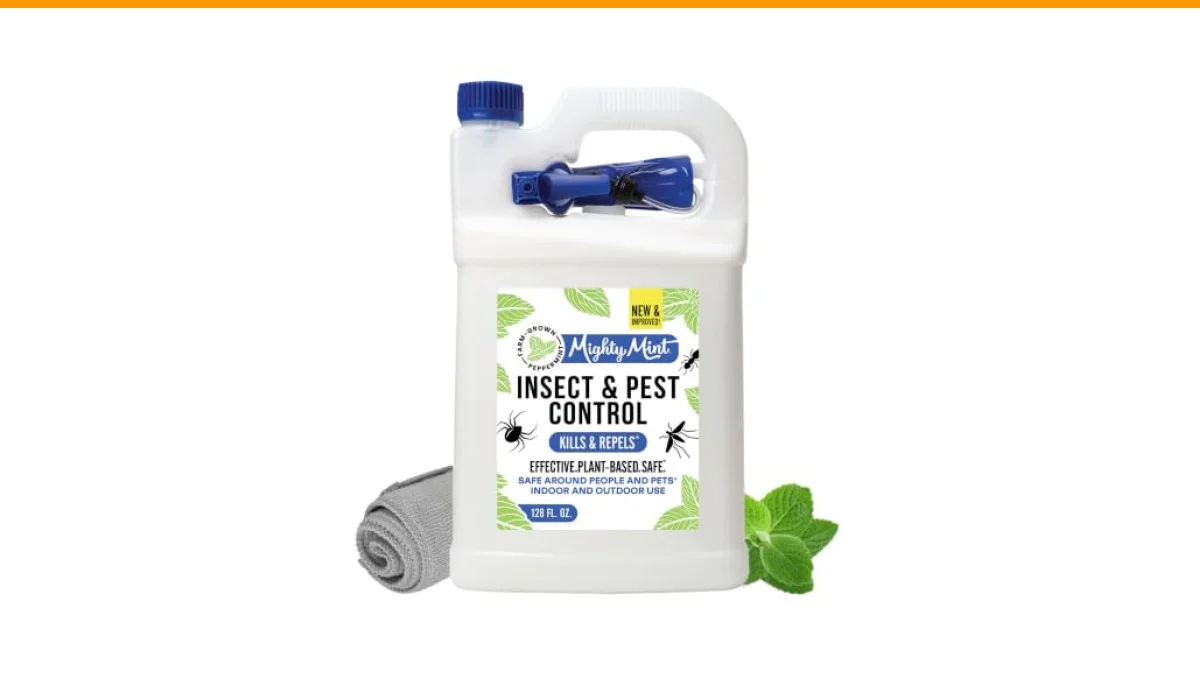
- Pest Management: Watch out for pests like onion flies and aphids. Use organic insecticides or row covers to protect your plants.
- Weed Control: Keep the area around your onions free of weeds, which compete for nutrients and water.
- Fungal Issues: Avoid overhead watering to minimize the risk of fungal diseases. Ensure good air circulation around the plants.
Comparison of Onion Growing Methods
| Method | Time to Harvest | Complexity | Yield |
|---|---|---|---|
| Onion Sets | 90-120 days | Easy | Good |
| Seeds | 120-150 days | Moderate | Very Good |
| Transplants | 70-100 days | Easy | Excellent |
What are onion sets?
Onion sets are small, immature bulbs that can be planted directly in the ground. They are a popular choice among home gardeners due to their simplicity and reliability.
When is the best time to plant onion sets?
The best time to plant onion sets is in early spring, as soon as the soil can be worked. In some regions, you can also plant them in late summer for a fall harvest.
How do I know when to harvest my onions?
Your onions are ready for harvest when the tops begin to yellow and flop over. This typically occurs in late summer to early fall, around 90-120 days after planting.
Can I grow onions in containers?
Yes, onions can be grown in containers. Choose pots that are at least 12 inches deep and wide. Ensure good drainage and use a high-quality potting mix.
What is the difference between short-day and long-day onions?
Short-day onions are best suited for southern climates, while long-day onions thrive in northern areas. The key difference lies in their light requirements, with short-day varieties needing less daylight to bulb.
Final Observations
- Choose a sunny spot with well-drained soil for planting.
- Plant onion sets 1-2 inches deep and 4-6 inches apart.
- Water consistently, but avoid overwatering to prevent rot.
- Use mulch to retain moisture and suppress weeds.
- Harvest when tops yellow and fall over, typically in summer.
- Consider using the TomorrowSeeds onion sets for a vibrant mix.
- Stay vigilant against pests and diseases for a successful harvest.