

How to Grow Beans on a Trellis
Contents
Imagine stepping out into your garden, greeted by climbing green beans reaching skyward, their vibrant leaves swaying gently in the breeze. Growing beans on a trellis not only maximizes your garden space but also enhances air circulation and sunlight exposure, leading to healthier plants and a bountiful harvest. This guide will teach you the ins and outs of trellising beans, from selecting the right type of trellis to the best practices for maintenance and care.
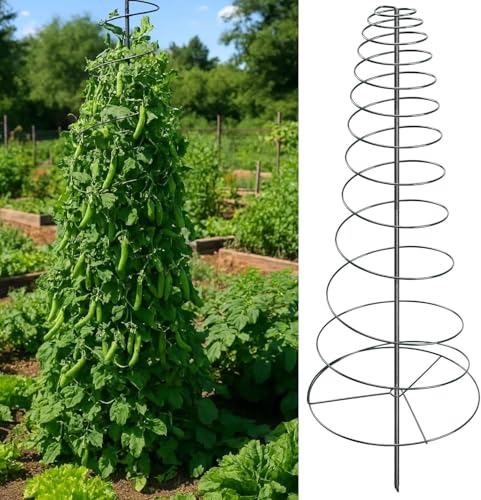
For those serious about supporting their climbing plants, consider using a sturdy option like the Spiral Frame Garden Trellis for Climbing Plants. Made from heavy-duty metal, this adjustable trellis provides solid support that prevents bending or falling, ensuring your beans thrive all season long.
VRIEZOP
Spiral Frame Garden Trellis for Climbing Plants Outdoor - 12-58" Adjustable Heavy Duty Metal Support for Pole Beans,Snap Peas,Tomatoes,Cucumbers,Anti-Tip Plant Tower for Raised Beds, Backyard
- Heavy-Duty Metal Trellis: Rock-Solid Support for Climbing Plants - Made with 0.6mm thick stainless steel and a 0.63-inch reinforce…
- Spiral Design Encourages Healthier, Taller Growth - The spiral structure guides vines naturally upward, promoting straighter, stro…
- Upgraded Screw-Lock System: Never Wobble or Shift for Unmatched Safety - Features reinforced screw-fastened coils that permanently…
Whether you’re a novice gardener or a seasoned pro, knowing how to grow beans on a trellis can transform your gardening experience. This article covers the essential steps, including the best types of beans to grow, effective trellis designs, and proper care tips.

Choosing the Right Beans for Trellising
Not all beans are created equal when it comes to trellising. Pole beans, such as Kentucky Wonder and Blue Lake, are excellent choices for vertical gardening. These varieties can grow up to 10 feet tall and require a sturdy structure for support. In contrast, bush beans grow more horizontally and do not need a trellis. When selecting beans, consider the following:
- Growth Habit: Choose pole beans for trellising; they have a natural climbing habit.
- Harvest Time: Look for early-maturing varieties to enjoy beans sooner.
- Pest Resistance: Some beans are bred for improved resistance to common pests and diseases.
Designing Your Trellis
Creating an effective trellis involves understanding the growth habits of the beans you choose. Here are a few popular trellis designs:
- Vertical Trellis: A simple vertical frame, often 6-8 feet tall, is ideal for most pole beans. Use sturdy materials like wood or metal. The Spiral Frame Garden Trellis is a great example, offering adjustable heights and a spiral design that encourages upward growth.
- A-Frame Trellis: An A-frame is excellent for maximizing space and can easily be constructed from wood or PVC pipes. This structure allows beans to grow on both sides.
- Flat Trellis: A flat trellis can be placed against a wall or fence, utilizing vertical space effectively.
Planting and Training Beans on the Trellis
Proper planting techniques and training your beans are crucial for success. Follow these steps:
- Planting: Space seeds 2-4 inches apart and plant them 1-2 inches deep after the last frost date. Ensure your trellis is ready before planting.
- Training: As seedlings emerge, gently guide them towards the trellis. Use soft ties to secure them if necessary.
- Maintenance: Water regularly and check for pests. Ensure the trellis remains stable, especially during windy conditions.
Comparative Table of Trellis Options
| Trellis Type | Height | Material | Best for |
|---|---|---|---|
| Vertical Trellis | 6-8 ft | Wood/Metal | Most pole beans |
| A-Frame Trellis | 4-6 ft | Wood/PVC | Maximizing space |
| Flat Trellis | Varies | Wood/Metal | Wall-mounted beans |
Common Questions About Growing Beans on a Trellis
1. What types of beans are best for trellising?
Pole beans like Kentucky Wonder and Blue Lake are ideal because they naturally climb and can grow tall with proper support.
2. How high should the trellis be for beans?
A trellis should ideally be 6-8 feet tall to accommodate the growth of most pole bean varieties.
3. How far apart should I plant pole beans?
Space pole bean seeds 2-4 inches apart to give them enough room to grow and climb.
4. Can I use a trellis for bush beans?
Bush beans do not require a trellis, but you can use one to keep them off the ground and reduce disease risk.
5. How do I maintain my trellis during the growing season?
Check for stability regularly, water your plants, and monitor for pests. Adjust any ties as the plants grow.
Effective Tips for Successful Trellising
- Choose a sturdy trellis material that can withstand wind and rain.
- Plant beans in full sun for optimal growth.
- Regularly prune any dead leaves to promote airflow.
- Rotate bean crops each year to prevent soil depletion and pests.
- Consider companion planting with herbs to deter pests naturally.
- Monitor soil moisture and avoid overwatering to prevent root rot.
Growing beans on a trellis not only enhances your garden’s aesthetic but also leads to healthier plants and a more abundant harvest. With the right techniques and a sturdy trellis, you’ll enjoy a thriving bean crop in no time.


