
Dahlias are beloved for their vibrant blooms and varied colors, making them a staple in many gardens. After a season of growth, however, the question arises: how do you properly store dahlia tubers to ensure their survival until the next planting season? Knowing how to store dahlia tubers correctly can mean the difference between a flourishing garden and a disappointing season.
This article will guide you through the best practices for harvesting, cleaning, and storing dahlia tubers. You will walk away with a clear understanding of the conditions these tubers need to thrive during their dormancy. Additionally, we’ll introduce a useful product that can assist you in the storage process.

SRXES
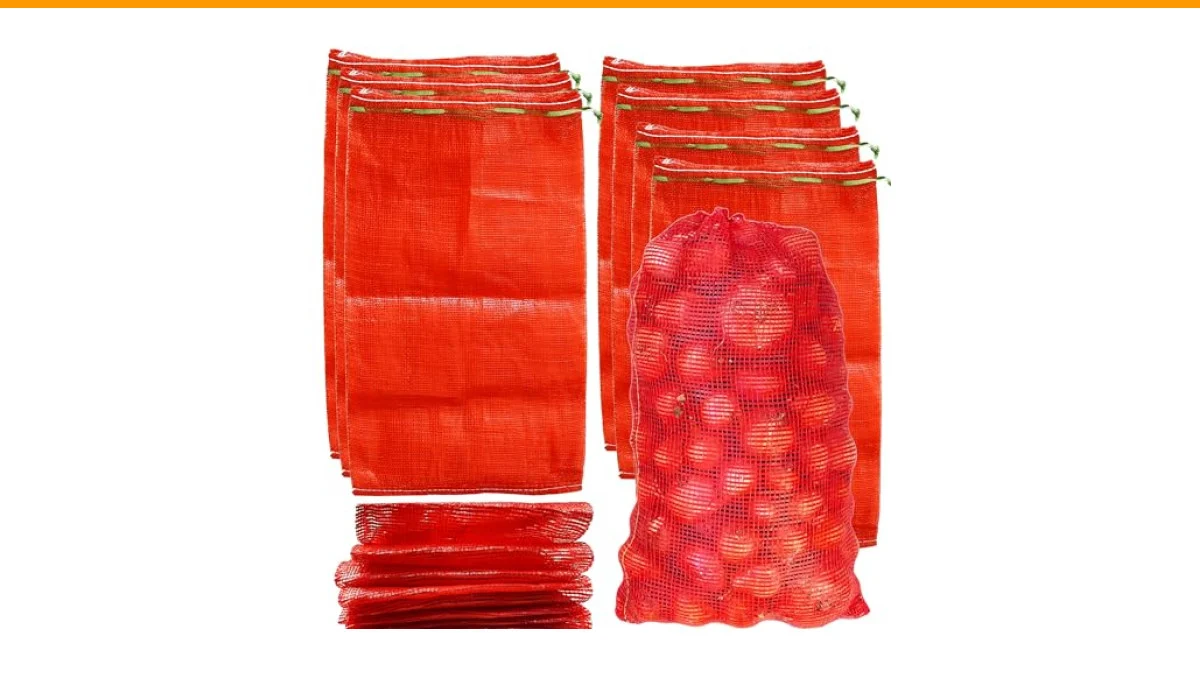
Mesh Onion Bags for Onion and Potato Storage, Produce Storage Bags | 24 Pack,14" × 20", 20 lb Bags for Onions, Vegetables, Potatoes, Citrus, Crawfish Firewood
- Breathable Mesh for Onion Storage: Open mesh allows air to circulate around stored onions and potatoes. These mesh onion bags keep…
- 24 Bags for Easy Organization: Includes 24 mesh produce bags for separating vegetables by type or batch. Keep bags on hand for hom…
- Convenient Drawstring Closure: Each onion storage bag features a drawstring that pulls the opening closed to help keep contents co…
For those looking to organize their storage effectively, consider using mesh onion bags. These breathable bags allow air circulation, which is essential for preventing moisture buildup and rot. With 24 bags included, separating your tubers by type becomes effortless.
When to Harvest Dahlia Tubers
Harvesting dahlia tubers at the right time is crucial. The best time to dig them up is after the first frost, which signals the end of their growing season. At this point, the leaves will start to die back, indicating that the tubers are ready for storage.
Wait about two weeks after the first frost before harvesting. This allows the tubers to mature fully. Look for signs such as shriveled leaves and soft stems. If the ground is too wet, let it dry out for a couple of days before digging. Using a spade or garden fork, carefully lift the tubers from the ground, avoiding damage to them.
Cleaning and Preparing Tubers
After harvesting, cleaning the tubers properly is essential. Gently shake off excess soil, but avoid rinsing them with water, as this can lead to rot during storage. Use a soft brush to remove dirt. Check for any signs of damage or disease. Discard any tubers that appear rotten or have soft spots.
Once cleaned, allow the tubers to dry in a shaded, well-ventilated area for a day or two. After drying, cut back the stems to about 4-6 inches, which helps with storage and prevents moisture retention.
Best Storage Conditions for Dahlia Tubers
Storing dahlia tubers requires specific conditions to ensure their longevity. Aim for a cool, dark place with good air circulation. Ideal storage temperatures range from 40°F to 50°F (4°C to 10°C). Avoid locations that are too humid, as this can promote mold growth. A basement, garage, or cellar often works well.
Using breathable storage options, like the aforementioned mesh onion bags, allows for air circulation. Alternatively, you can also store tubers in wooden crates, cardboard boxes, or paper bags, provided they can breathe. If using plastic bags, ensure there are holes or slits for ventilation.
| Storage Method | Pros | Cons |
|---|---|---|
| Mesh Onion Bags | Good air circulation, easy access | Limited protection from physical damage |
| Wooden Crates | Sturdy, allows airflow | Can retain moisture if not monitored |
| Cardboard Boxes | Easy to stack, light | Less durable, can attract pests |
| Paper Bags | Breathable, biodegradable | Less protective than other methods |
| Plastic Bags (with holes) | Water-resistant | Risk of mold if not ventilated properly |
Common Myths About Storing Dahlia Tubers
Myth: Dahlia Tubers Can Be Stored in Any Container
Many gardeners mistakenly believe that any container will suffice for dahlia tuber storage. However, using airtight containers can trap moisture, leading to rot. Always select breathable options to promote air circulation.
Myth: You Don’t Need to Clean Tubers Before Storage
Some think it’s fine to store tubers without cleaning them. This approach can lead to mold growth and damage during storage. Proper cleaning and drying are critical steps that should not be overlooked.
Myth: You Can Store Tubers Outside
While it’s tempting to leave tubers in the ground, this can expose them to freezing temperatures and rot. Always dig up tubers and store them indoors in appropriate conditions.
Myth: All Tubers Need to Be Stored Together
Grouping different varieties together can lead to cross-contamination of pests. Separate tubers by variety or condition to ensure healthier storage.
Myth: You Only Need to Check Them Once
Many gardeners believe that once stored, tubers require no further attention. Regular checks for moisture levels, mold, and pests are necessary to ensure healthy tubers.
Frequently Asked Questions
How long can dahlia tubers be stored?
When stored correctly, dahlia tubers can last for six months to a year. Check them periodically for signs of rot or disease.
Should I cover dahlia tubers during storage?
It’s not necessary to cover tubers. They should be stored in a way that allows air circulation, preventing moisture buildup.
Can I store tubers in the refrigerator?
Refrigerators can be too cold and humid for proper tuber storage. A cool, dark place is preferable.
What temperature is best for storing dahlia tubers?
A temperature range of 40°F to 50°F (4°C to 10°C) works best for storing dahlia tubers.
Do I need to label my dahlia tubers?
Labeling is a good idea, especially if you have multiple varieties. This helps in replanting and ensures you know which type you’re handling.
Essential Takeaways for Storing Dahlia Tubers
- Harvest tubers after the first frost and let them dry for a day.
- Clean tubers gently using a brush, avoiding water.
- Store in a cool, dark place with good air circulation.
- Use breathable containers like mesh onion bags for optimal storage.
- Check stored tubers regularly for moisture or disease.
- Label tubers to keep track of different varieties.
- Discard any tubers that show signs of rot before storage.


