
Many gardeners face the challenge of brightening up shady spots in their yards. Whether it’s a dense tree canopy or a north-facing wall, finding the right bulbs that thrive in low-light conditions can make all the difference. You want flowers that not only survive but also flourish, providing color and life even when sunlight is limited. In this guide, we’ll explore the best bulbs for shade, offering insights into their care and ideal growing conditions.
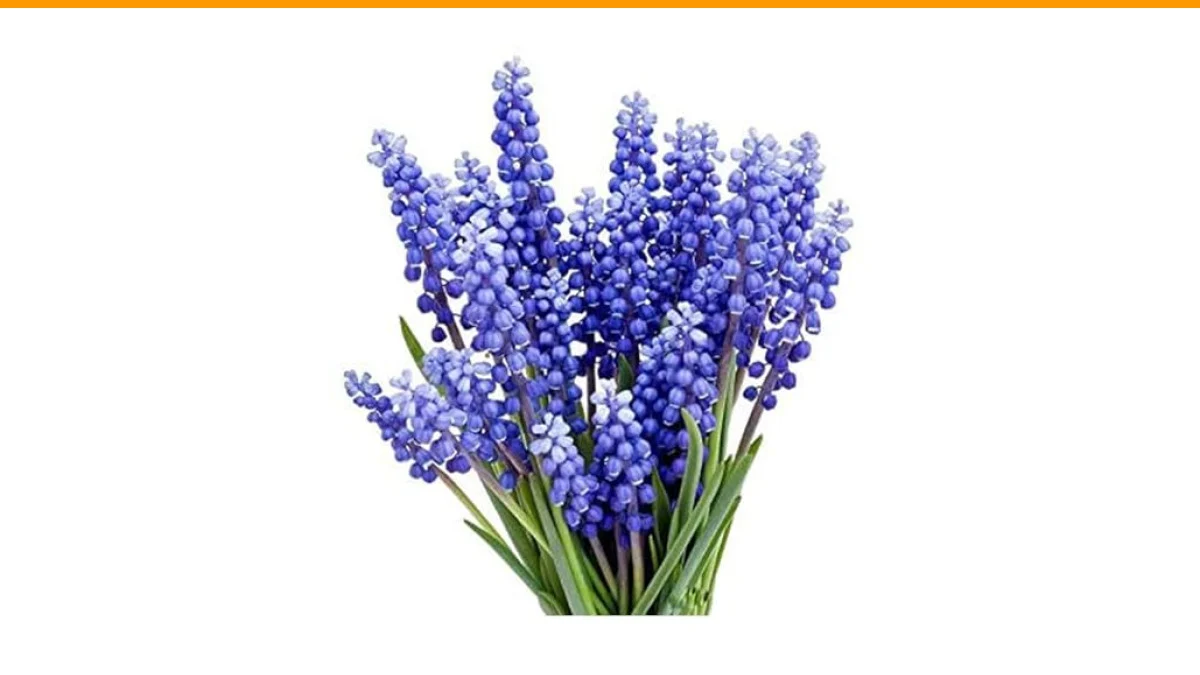
For those eager to start planting, consider the Grape Hyacinth Bulbs from Marde Ross & Company. These bulbs produce charming clusters of deep blue flowers that bring vibrancy to any shaded area. Plus, they’re guaranteed to germinate, ensuring a beautiful display in spring.

Marde Ross & Company
Grape Hyacinth Bulbs - 15 Muscari Armeniacum Bulbs for Planting - Grows 6-8" Tall - Flower Bulbs for Spring Planting - Indoor Forcing
- GRAPE HYACINTH BLOOMS – Grape hyacinth bulbs produce dense, grape-like clusters of deep blue flowers with a soft, honey-like fragr…
- GUARANTEED TO GERMINATE – Our muscari bulbs are stored in temperature-controlled refrigeration, ensuring peak freshness for strong…
- PLANT IN FALL FOR SPRING COLOR – Plant muscari bulbs in sun or part shade with well-drained soil. Water thoroughly after planting…
Understanding Shade Conditions
Before selecting bulbs, it’s essential to assess the light conditions in your garden. Shade can be categorized into three types:
- Full Shade: Areas that receive less than three hours of sunlight each day.
- Partial Shade: Areas that receive three to six hours of sunlight, often with some sunlight during the day.
- Dappled Shade: Light that filters through overhead branches, providing a mix of sun and shade.
Understanding these conditions will help you choose the most suitable bulbs. For example, Grape Hyacinths thrive in partial shade but can handle full shade as well.
Top Bulbs for Shaded Areas
Here’s a curated list of some of the best bulbs for shade, each with unique characteristics:
- Grape Hyacinth (Muscari armeniacum): Known for its dense clusters of deep blue flowers, it blooms in early spring and attracts pollinators.
- Snowdrops (Galanthus nivalis): These delicate white flowers are among the first to bloom, often emerging even through snow.
- Bluebells (Hyacinthoides non-scripta): Their stunning blue flowers create a lovely carpet in shaded woodland areas.
- Fritillaria (Fritillaria meleagris): Also known as the snake’s head fritillary, it features charming checkered petals and thrives in moist, shaded spots.
- Trillium (Trillium spp.): A perennial favorite, trilliums come in various colors and add elegance to shady gardens.
Planting and Care Tips
Planting bulbs in shade requires attention to a few key factors:
- Timing: Most bulbs should be planted in the fall before the ground freezes. This allows them to establish roots before winter.
- Soil Quality: Well-drained soil is crucial. Amend heavy clay or sandy soil with organic matter to improve drainage and fertility.
- Depth: Plant bulbs at a depth of about two to three times their height. This helps protect them from temperature fluctuations.
- Watering: While bulbs need moisture, avoid overwatering. Ensure the soil is slightly moist but not soggy.
- Fertilizing: Use a balanced fertilizer in early spring to promote healthy growth.
Comparison of Shade Bulbs
| Bulb Type | Bloom Time | Light Requirements | Height |
|---|---|---|---|
| Grape Hyacinth | Early Spring | Partial to Full Shade | 6-8 inches |
| Snowdrops | Late Winter to Early Spring | Full Shade | 4-6 inches |
| Bluebells | Spring | Partial Shade | 12-15 inches |
| Fritillaria | Spring | Partial Shade | 12-18 inches |
| Trillium | Spring | Full Shade | 12-15 inches |
What bulbs thrive in complete shade?
Snowdrops and Grape Hyacinths are excellent choices for complete shade, as they can tolerate low light while still producing vibrant blooms.
Can I plant bulbs in the shade?
Absolutely! Many bulbs are well-suited for shady conditions. Just ensure you select varieties that thrive in low-light environments.
When should I plant bulbs for shade?
Planting bulbs in fall is best, as this allows them to establish roots during the colder months and bloom in spring.
How do I care for shade bulbs?
Provide adequate moisture without waterlogging, ensure well-drained soil, and consider fertilizing in early spring to promote growth.
What common mistakes should I avoid?
Avoid planting bulbs too shallowly, overwatering, or choosing bulbs not suited for shade. Each of these can hinder growth and reduce bloom potential.
Final Thoughts
- Assess your shade conditions before selecting bulbs.
- Grape Hyacinths are a reliable choice for their beauty and ease of care.
- Plant bulbs in the fall for the best results.
- Ensure good soil drainage to prevent bulb rot.
- Monitor moisture levels, especially in spring.
- Consider companion plants that thrive in shade for a fuller look.
- Research each bulb type’s specific needs to maximize success.
Embracing the challenge of shaded areas can lead to stunning garden spaces filled with beautiful blooms. With the right bulbs and proper care, even the dimmest corners can become vibrant displays of nature’s artistry.


