
Imagine the serene sound of a perfectly manicured lawn on a sunny Saturday morning. The grass is lush and green, a testament to the hard work and care of homeowners and professionals alike. But have you ever wondered how this landscape maintenance tool evolved? The history of lawn mower invention is rich and transformative, reflecting technological advancements and changing societal needs over the decades.
This article will walk you through the key developments in lawn mower history, highlighting the inventors and innovations that shaped these essential gardening tools. You’ll gain insight into how lawn mowers have evolved from cumbersome machines to the efficient models we use today, including options like the Greenworks 40V 16in Push Lawn Mower, which offers a lightweight design and effective battery performance.
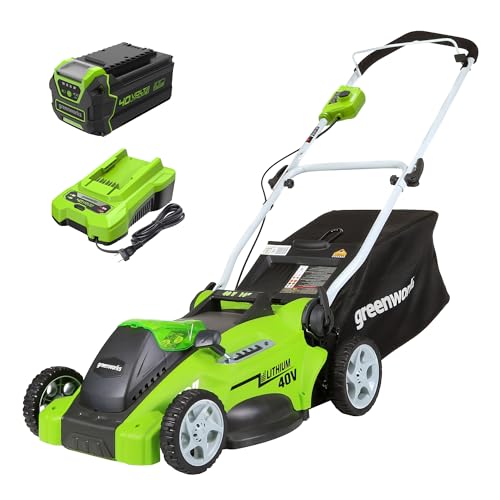
Greenworks
Greenworks 40V 16in Push Lawn Mower, 4.0 Ah Battery and Charger | Quiet walk-behind mower with push-button start; gas-free operation eliminates fumes and pull starts
- [16" LAWN MOWER] - This 40V lawn mower cuts up to 1/3 acre with fully charged 4.0Ah battery (varies based on grass condition and o…
- [ULTRA LIGHTWEIGHT] - 35% lighter than steel deck mowers
- [SINGLE LEVER HEIGHT ADJUST] - 5 position height adjustment
The Birth of the Lawn Mower
The journey of the lawn mower begins in 1830 with Edwin Beard Budding, an English engineer who designed the first mechanical lawn mower. Budding’s invention was inspired by the need to maintain the cricket pitches at local clubs. His initial model featured a cylindrical blade that rotated on a roller, effectively cutting grass to a uniform height. This design marked a revolutionary shift in lawn care, allowing for a more efficient and uniform method of mowing compared to manual techniques.
However, Budding’s mower wasn’t perfect. Its heavy weight and the need for human force to push it limited its appeal. Yet, this initial design laid the groundwork for future innovations. The idea of a mechanical mower caught on, leading to various adaptations and improvements throughout the 19th century.
Advancements in Technology
The 1860s brought significant advancements in lawn mower technology. Companies began mass-producing mowers, which made them more accessible to the average homeowner. Notably, the introduction of steam-powered mowers in the late 19th century represented another leap forward. These machines could cover larger areas and required less physical effort from the operator.
However, steam-powered mowers were expensive and cumbersome, making them impractical for most residential uses. The real breakthrough came in the early 20th century when gas-powered engines started being integrated into lawn mowers. The first gasoline-powered mower was introduced by the American company, Power Products Corporation, in 1919. This model transformed lawn care, allowing homeowners to maintain larger yards effortlessly.
Electric and Battery-Powered Mowers
As technology progressed, the introduction of electric lawn mowers in the 1930s further changed the landscape of lawn care. These mowers operated quietly and were more environmentally friendly than their gas counterparts. The trend toward electric mowers gained momentum in the 1960s, reflecting growing concerns about air pollution and sustainable practices.
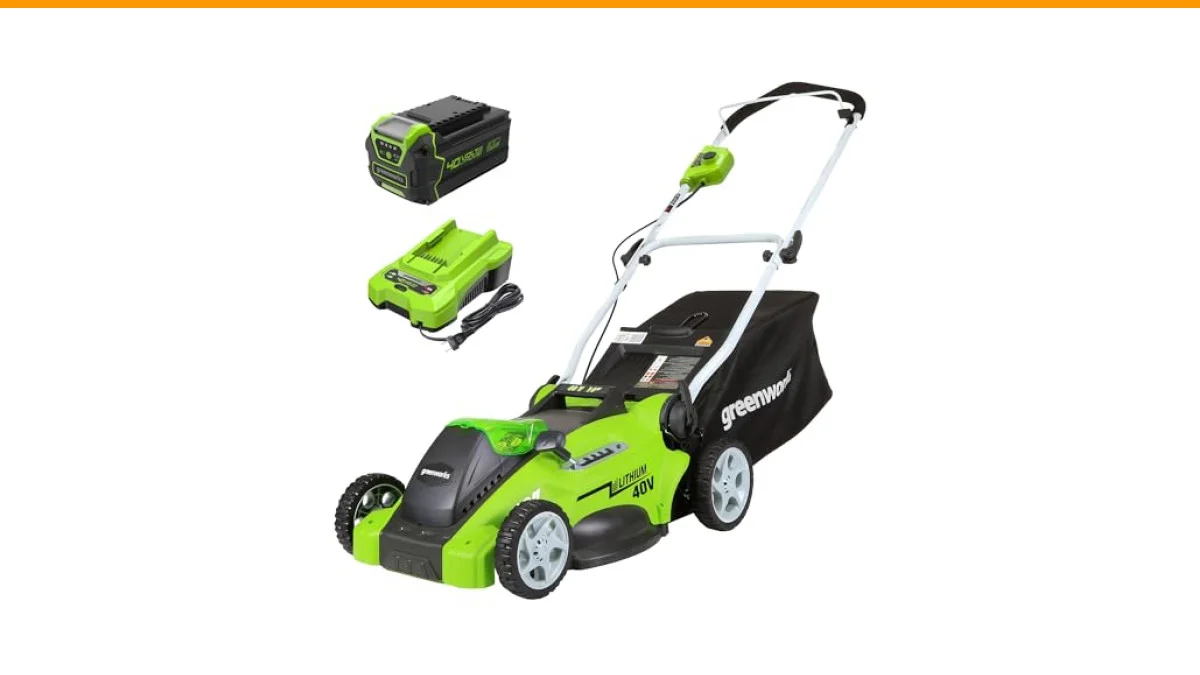
Today, battery-powered mowers like the Greenworks 40V 16in Push Lawn Mower offer a lightweight alternative, designed for efficiency and ease of use. With a fully charged battery, these models can mow up to 1/3 of an acre, making them ideal for homeowners looking for convenient lawn care solutions.
Innovations in Lawn Care
The evolution of lawn mowers doesn’t stop at electric and battery-powered options. Recent innovations include robotic lawn mowers, which have gained popularity due to their ability to autonomously maintain grass without human intervention. These smart devices use sensors and GPS technology to navigate lawns, making them an appealing choice for busy homeowners.
Despite these advancements, some misconceptions about lawn mowers persist. For instance, many believe that more power means a better mower. However, efficiency often depends on cutting width and design rather than sheer horsepower. Homeowners should consider their lawn size and terrain when choosing a mower.
| Type of Mower | Power Source | Typical Use | Advantages | Disadvantages |
|---|---|---|---|---|
| Reel Mower | Manual | Small yards | Quiet, environmentally friendly | Labor-intensive |
| Gas-Powered Mower | Gasoline | Medium to large yards | Powerful, can handle thick grass | Loud, emits fumes |
| Electric Mower | Electric (Corded) | Small to medium yards | Quiet, low maintenance | Limited by cord length |
| Battery-Powered Mower | Battery | Small to medium yards | Portable, environmentally friendly | Battery life can limit mowing time |
| Robotic Mower | Battery | Small to medium yards | Autonomous, low effort | Higher upfront cost |
What was the first lawn mower made of?
The first lawn mowers were primarily made of iron and steel, utilizing a cylindrical blade design. Edwin Beard Budding’s original model featured a cast iron frame and a wooden handle.
When was the lawn mower invented?
Edwin Beard Budding invented the first mechanical lawn mower in 1830, revolutionizing lawn maintenance.
Are electric mowers better than gas mowers?
Electric mowers are quieter and more environmentally friendly than gas mowers. They require less maintenance but may not have the same power for heavy-duty jobs.
How do robotic mowers work?
Robotic mowers use sensors to navigate lawns autonomously. They can detect obstacles and return to their charging stations when needed. They require minimal human intervention.
What is the best type of mower for a small lawn?
A battery-powered or electric mower is ideal for small lawns. They are lightweight, easy to maneuver, and environmentally friendly.
Final Thoughts on Lawn Mower Innovation
- Edwin Beard Budding is credited with inventing the first mechanical lawn mower in 1830.
- Gasoline-powered mowers emerged in the early 20th century, changing lawn care forever.
- Electric and battery-powered mowers are increasingly popular for their quiet operation and low emissions.
- Robotic mowers represent the latest trend in lawn care technology, providing convenience and efficiency.
- Choosing the right mower depends on lawn size, terrain, and personal preferences.
- For a lightweight option, consider the Greenworks 40V 16in Push Lawn Mower, which is perfect for small to medium lawns.
- Understanding lawn mower history helps appreciate the technology available today.



