Understanding Commercial Lawn Mower Tax Deductions
Contents
Running a landscaping business often involves significant investments in equipment, especially when it comes to commercial lawn mowers. Each time you make a purchase, you might wonder how it affects your bottom line when tax season rolls around. Understanding the intricacies of tax deductions can feel overwhelming, but it doesn’t have to be. This guide will clarify how you can leverage commercial lawn mower tax deductions to your advantage, making your hard-earned money go further.
Throughout this article, we’ll explore the types of deductions available, how to categorize your expenses, and provide examples to illustrate the benefits. Whether you’re a seasoned landscaper or just starting, knowing how to navigate these tax breaks is crucial for your financial health.
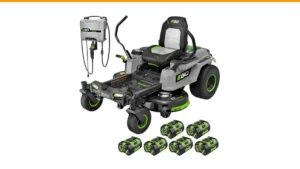
For those considering a purchase, having a reliable commercial lawn mower is essential. It not only enhances productivity but also qualifies for various tax deductions, making it a smart investment for your landscaping business.
Types of Tax Deductions for Commercial Lawn Mowers
When it comes to tax deductions, several options are available for commercial lawn mowers. Here are the primary categories:
1. Section 179 Deduction
The Section 179 deduction allows businesses to deduct the full purchase price of qualifying equipment purchased or financed during the tax year. As of 2026, the limit for this deduction is $1,160,000. If you buy a lawn mower that costs $30,000 for your landscaping business, you can deduct the entire amount from your taxable income, assuming you stay within the annual limit.
2. Depreciation
If you purchase a commercial lawn mower, you can depreciate its cost over several years. The IRS allows you to spread the deduction over the useful life of the equipment, usually five to seven years. For example, if your mower costs $15,000, you could deduct $3,000 per year over five years. This method is beneficial if you exceed the Section 179 limit or if you want to maintain a steady deduction over time.
3. Operating Expenses
In addition to the initial purchase, you can also deduct operating expenses associated with commercial lawn mowers. This includes:
- Fuel costs
- Maintenance and repair expenses
- Insurance premiums
- Replacement parts
- Storage fees
These expenses can add up significantly, so ensure you keep detailed records and receipts throughout the year.
How to Claim Deductions for Your Commercial Lawn Mower
Claiming tax deductions requires careful record-keeping and knowledge of IRS guidelines. Here’s a step-by-step approach to ensure you maximize your deductions:
- Keep Detailed Records: Maintain receipts, invoices, and any documentation related to the purchase and maintenance of your lawn mower.
- Determine the Deduction Method: Decide whether you will use Section 179, depreciation, or a mix of both based on your financial situation.
- Consult a Tax Professional: Tax laws can be complex. A tax advisor can provide personalized advice and help you navigate the specific requirements.
- File Your Taxes: Ensure that you correctly fill out the relevant IRS forms, including Form 4562 for depreciation and Section 179 deductions.
Following these steps will help streamline the process of claiming deductions, allowing you to focus on your business.
Comparison of Deduction Options
| Deduction Method | Deduction Limit | Best For | Claim Process |
|---|---|---|---|
| Section 179 | $1,160,000 | Large purchases | Form 4562 |
| Depreciation | Varies | Long-term ownership | Form 4562 |
| Operating Expenses | No limit | Ongoing costs | Schedule C |
Common Questions About Commercial Lawn Mower Tax Deductions
What qualifies for a commercial lawn mower tax deduction?
Any lawn mower used for business purposes qualifies for tax deductions. This includes the purchase price, maintenance costs, and related expenses.
Can I deduct the cost of a used lawn mower?
Yes, the cost of a used commercial lawn mower can be deducted. Just ensure you keep proper records as you would for a new purchase.
Do I need to use the mower exclusively for business?
If you use the mower for both personal and business purposes, you can only deduct the portion used for business. Keep track of the usage ratio to calculate the deductible amount accurately.
How does the IRS determine the useful life of a lawn mower?
The IRS typically considers a commercial lawn mower to have a useful life of five to seven years, depending on the type and intended use. This lifespan helps in determining depreciation rates.
What forms do I need to file for tax deductions?
You’ll generally need Form 4562 for depreciation and Section 179 deductions. If claiming operating expenses, you’ll report those on Schedule C when filing your taxes.
Practical Takeaways for Tax Deductions
- Utilize Section 179 for substantial deductions on new equipment purchases.
- Keep all receipts and records of expenses related to your lawn mower.
- Consult with a tax professional to tailor your deduction strategy.
- Consider the depreciation method if your equipment costs exceed the Section 179 limit.
- Track both business and personal use to ensure accurate deductions.
- Stay informed about IRS updates regarding equipment deductions.
- Review equipment options, such as best commercial lawn mowers, to make wise purchasing decisions.