Imagine stepping into your kitchen and being greeted by the fresh aroma of basil, mint, and thyme. An herb garden does more than enhance the culinary experience; it brings greenery indoors, revitalizes spaces, and provides a rewarding hobby. Whether you have a small apartment or a spacious backyard, designing an herb garden can be tailored to fit your lifestyle and available space. This article will guide you through various herb garden design patterns, helping you create an aesthetically pleasing and functional garden.
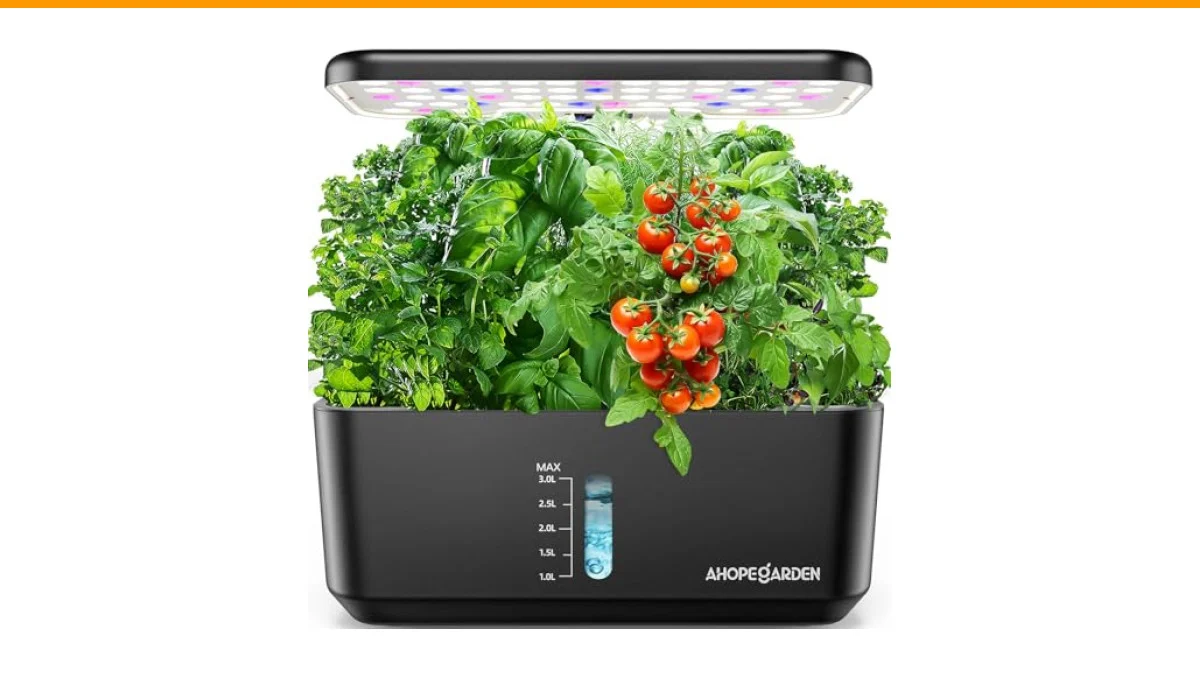
For those interested in indoor gardening, the Ahopegarden Indoor Garden Hydroponics Growing System offers an excellent solution. It includes ten planting pods, efficient lighting, and a water circulation system, making it easy to grow herbs indoors year-round.

Ahopegarden
Ahopegarden Indoor Garden Hydroponics Growing System: 10 Pods Kit with LED | Plant Germination Kit Herb Vegetable Growth Lamp Countertop, Hydroponic Planter Grower Harvest Lettuce for Healthy Home Cooks
- High planting efficiency: Start an indoor herb garden with the Ahopegarden hydroponic growing system, which includes a water reser…
- 10 Pods & Water Level Window Included: This indoor grow kit with light offers 10 growing stations, The reservoir of our hydroponic…
- 2 Growing Modes for Veggies, Fruits & Flowers: The grow light of our indoor veggie growing system features full-spectrum lamps tha…
Understanding Herb Garden Design Patterns
Herb garden design patterns vary based on space, plant types, and personal preferences. Here are some popular approaches:
1. Raised Bed Gardens
Raised bed gardens are ideal for those with limited space or poor soil conditions. They allow for better drainage and soil control. Typically, raised beds are 4 feet wide and can be built to any length. Consider using a rectangular or square shape for simplicity. A common height is 12-24 inches, allowing for easier access and maintenance.
2. Vertical Gardens
For urban dwellers or those with minimal ground space, vertical gardens are a smart choice. These designs utilize wall-mounted planters or stacked containers to maximize vertical space. You can create a living wall with herbs like parsley, cilantro, or chives. This not only saves ground space but also adds a unique visual element to your home.
3. Container Gardens
Container gardening offers flexibility. You can arrange pots on patios, balconies, or windowsills. Group containers of varying heights for an eye-catching arrangement. Herbs like rosemary, basil, and mint thrive in pots. Choose containers with good drainage and consider the size, as larger pots retain moisture better.
4. Traditional In-Ground Gardens
In-ground gardens are suitable for those with larger outdoor spaces. You can design rows or circular patterns, depending on your preferences. Traditional layouts often include companion planting, which involves placing herbs alongside vegetables to enhance growth and deter pests. For example, planting basil next to tomatoes can improve flavor and yield.
Comparative Table of Herb Garden Design Patterns
| Design Pattern | Space Required | Maintenance Level | Best For |
|---|---|---|---|
| Raised Bed | Moderate | Low | Gardeners with poor soil |
| Vertical Garden | Minimal | Medium | Urban dwellers |
| Container Garden | Variable | Low | Small spaces or apartments |
| In-Ground Garden | Large | Medium | Backyard gardeners |
Frequently Asked Questions about Herb Garden Design Patterns
What are the best herbs for beginners?
For beginners, herbs like basil, mint, and parsley are excellent choices. They are easy to grow and require minimal care.
Can I grow herbs indoors?
Yes, many herbs thrive indoors. Using a hydroponic system like the Ahopegarden can simplify indoor herb gardening, providing the right conditions for growth.
How much sunlight do herbs need?
Most herbs require at least 6-8 hours of sunlight daily. If growing indoors, consider using grow lights to supplement natural light.
What containers work best for herb gardening?
Containers should have good drainage. Clay pots are popular, but plastic and ceramic options also work well. Make sure the size is appropriate for the herb’s root system.
How often should I water my herbs?
Watering frequency depends on the herb and environmental conditions. Generally, herbs prefer to dry out between waterings. Check the soil moisture before watering.
Helpful Tips for Your Herb Garden Design
- Start small; choose 2-3 herbs to grow initially.
- Group herbs with similar water and light requirements together.
- Incorporate companion planting to maximize growth and pest control.
- Rotate your crops annually to prevent soil depletion.
- Regularly prune herbs to encourage bushier growth.
- Consider using organic fertilizers to enhance soil health.
- Experiment with different designs until you find what works best for your space.