Comprehensive Hand Pruner Maintenance Tips
Contents
Every gardener knows the importance of having reliable tools, and hand pruners are among the most vital. Imagine being in the middle of a pruning session, only to discover your trusty pruner is dull or rusty. Frustrating, right? Proper maintenance can not only prevent those moments but also extend the life of your pruners significantly.
This article will provide you with practical and effective hand pruner maintenance tips. You’ll learn how to keep your tools sharp, clean, and ready for any gardening task. You’ll also understand the best practices to follow, ensuring that your pruners serve you well for years to come.

Craft911
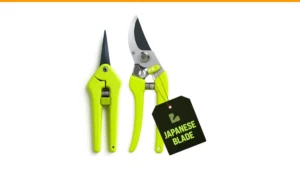
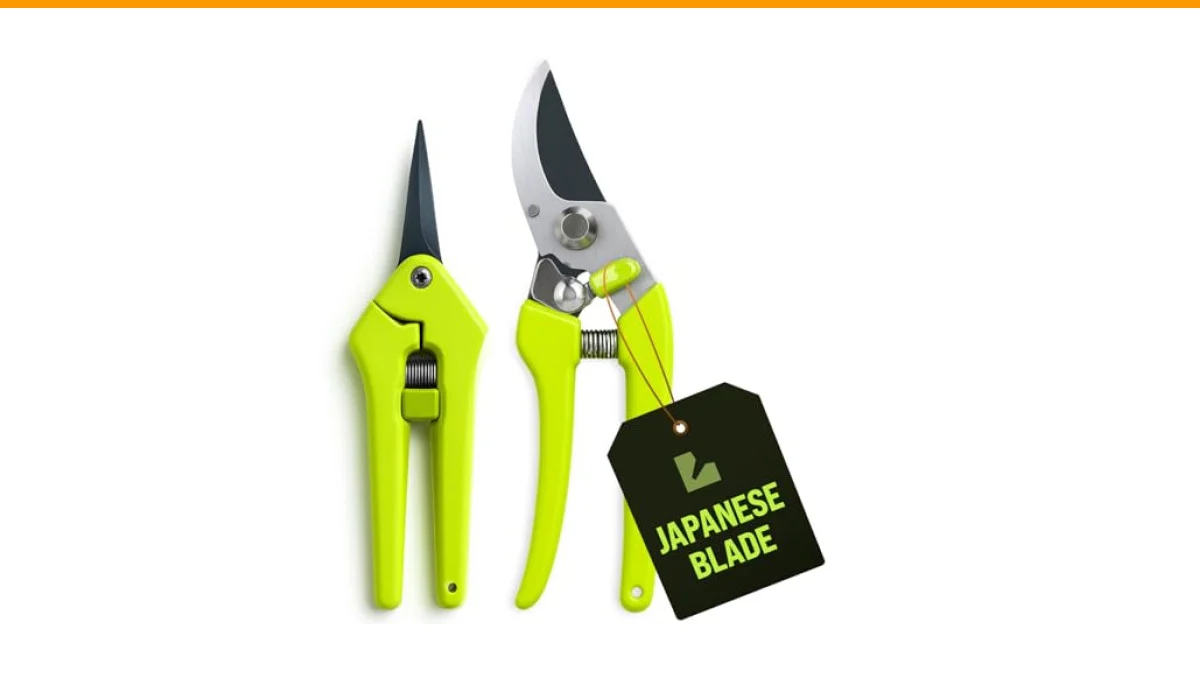
2-Pack Stainless Steel Gardening Scissors, Pruning Shears and Clippers for Gardening
- DUAL CUTTING POWER: VERSATILE PRUNING COMBO --- With both Pruning Shears and Pruning Snip, this combo delivers unmatched versatili…
- ULTRA SHARP --- Much less effort to cut branches with our combo pack. Our pruning shears are crafted from premium Stainless Steel,…
- RUST PROOF STAINLESS STEEL GARDENING SHEARS --- Our branch cutter tree pruner combo is built to last.
For gardeners looking to enhance their toolkit, consider the 2-Pack Stainless Steel Gardening Scissors, Pruning Shears and Clippers for Gardening from Craft911. This versatile combo includes both pruning shears and snips, perfect for various tasks, from delicate flower trimming to tackling thicker branches. With rust-proof stainless steel blades and a comfortable grip, they’re designed for effective and enjoyable use.
1. Regularly Sharpening Your Pruners
Sharp blades make clean cuts, which are vital for plant health. Dull blades can tear rather than cut, leading to ragged wounds that make plants more susceptible to disease. To maintain sharpness, aim to sharpen your pruners after every 5 hours of use or when you notice decreased performance. Use a sharpening stone or a specialized pruner sharpener, and follow up with a fine file for smoothing.
2. Cleaning the Blades
It’s essential to clean your pruners after each use. Residue from sap and plant material can build up and cause rusting. To clean, soak the blades in warm soapy water for a few minutes, then scrub with a soft brush to remove any debris. Rinse and dry thoroughly before storing to prevent moisture accumulation.
3. Lubricating the Pivot Point
Lubrication is key to ensuring smooth operation. Apply a few drops of oil (like mineral oil or 3-in-1 oil) to the pivot point where the blades rotate. This reduces friction, making it easier to open and close the pruners. Check the lubrication every few uses, especially if you’ve been working with particularly sticky plants.
4. Storing Pruners Properly
How you store your pruners can greatly affect their longevity. Store them in a dry place, away from moisture and direct sunlight. Use a protective sheath or a tool bag to prevent blades from getting nicked or damaged. For added safety, look for pruners with a built-in safety lock, like those found in the Craft911 combo pack.
Comparison of Pruner Maintenance Techniques
| Maintenance Task | Frequency | Tools Needed | Benefits |
|---|---|---|---|
| Sharpening | Every 5 hours of use | Sharpening stone, fine file | Ensures clean cuts, prevents plant damage |
| Cleaning | After each use | Warm soapy water, soft brush | Prevents rust, maintains performance |
| Lubrication | Every few uses | Mineral oil or 3-in-1 oil | Reduces friction, improves operation |
| Proper Storage | After use | Sheath or tool bag | Prevents physical damage, extends lifespan |
Why is it important to maintain hand pruners?
Maintenance ensures longevity and optimal performance. Regular care prevents rust and wear, helping your pruners stay functional for many seasons.
What materials should I use for sharpening?
Use a sharpening stone or a specialized pruner sharpener. A fine file can also help smooth out any rough edges after sharpening.
How can I tell if my pruners are dull?
If you notice that cuts are jagged or the blades require excessive force to cut through stems, it’s time to sharpen your pruners.
Is it safe to use oil on my pruners?
Yes, using mineral oil or 3-in-1 oil is safe and recommended. It helps keep the pivot point functioning smoothly without harming the blades.
Can I use vinegar for cleaning my pruners?
Vinegar can be effective for cleaning, especially for sap residue. Just ensure you rinse and dry thoroughly afterward to prevent rust.
Final Notes on Pruner Maintenance
- Sharpen your pruners regularly for clean cuts.
- Clean blades after every use to avoid rust.
- Lubricate the pivot point to enhance function.
- Store pruners in a dry environment for longevity.
- Use protective sheaths to prevent damage.
- Consider ergonomic options for comfort, especially if you have arthritis.
- Invest in quality tools, like the Craft911 combo pack, for versatility and durability.