How to Disinfect Pruning Tools
Contents
Introduction
Every gardener knows the satisfaction of a well-tended plant. However, along with that joy comes the responsibility of maintaining tools. Pruning tools, in particular, can harbor diseases and pests that threaten your plants’ health. Imagine investing time and effort into nurturing your garden, only to see it compromised by a simple oversight: dirty tools. Regularly disinfecting your pruning tools is crucial to preventing the spread of diseases.
This article will walk you through effective methods to disinfect your pruning tools, ensuring your plants remain healthy and vibrant. You’ll learn why disinfection is essential and discover practical steps to keep your tools clean. Along the way, we’ll introduce a helpful product, the RETAIN Organic Pruning Tool Cleaner, which makes the cleaning process even easier.

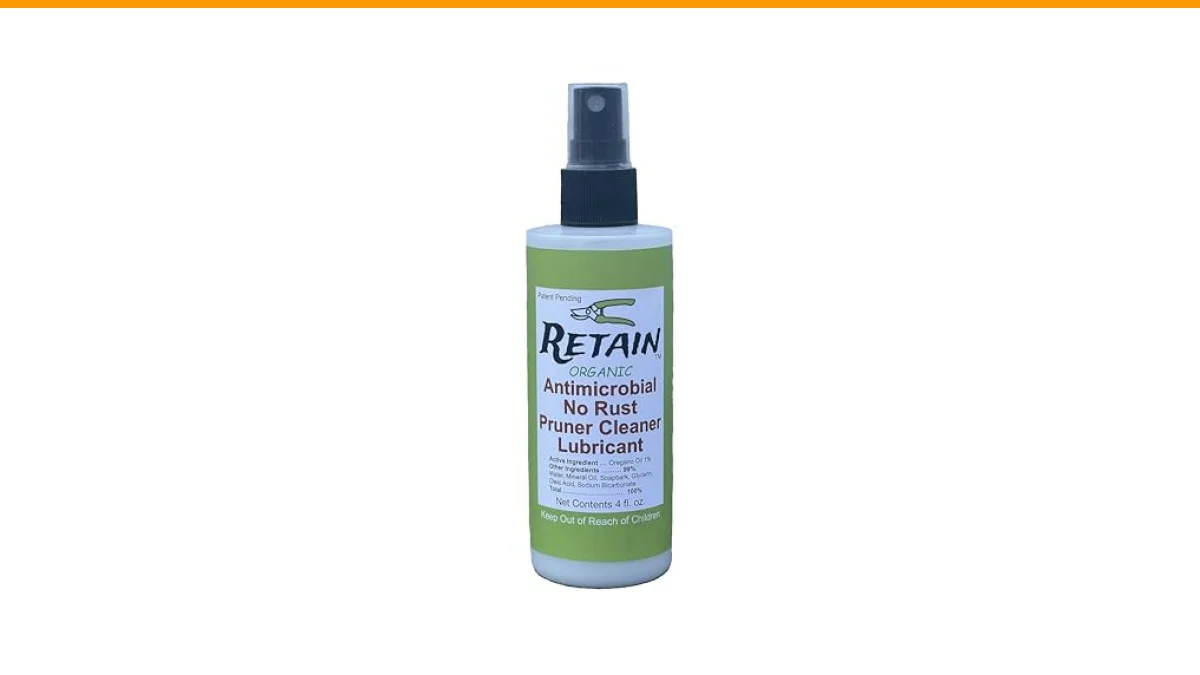
RETAIN Garden Tool Treatment
RETAIN Organic Pruning Tool Cleaner, Lube, No Rust 4 oz Spray
- All ingredients are registered organic
- Cleans off tree sap and crud
- Bleach- Alcohol free with plant-based formula
The RETAIN Organic Pruning Tool Cleaner is an excellent choice for gardeners. This cleaner is made from all organic ingredients and effectively removes tree sap while preventing rust. Its plant-based formula lubricates tools, ensuring they cut better and last longer.
Why Disinfecting Pruning Tools Matters
Disinfecting pruning tools is more than just a chore; it’s a vital step in garden maintenance. Contaminated tools can transfer pathogens from one plant to another. Fungal spores, bacterial infections, and viruses can linger on blades, waiting for the right moment to infect a healthy plant. For instance, a single cut made with unclean shears can introduce the bacteria responsible for cankers or wilts, leading to the loss of entire crops.
To put it into perspective, research shows that many plant diseases can survive on tools for extended periods. For example, the bacteria Erwinia amylovora, which causes fire blight in apple and pear trees, can survive on tools for weeks. Regular disinfection helps protect your investment in time, money, and effort.
How to Disinfect Your Pruning Tools: Step-by-Step Guide
Materials Needed
- 70% isopropyl alcohol or bleach solution (1 part bleach to 9 parts water)
- Scrub brush or steel wool
- Clean cloth or paper towels
- Lubricant (like the RETAIN Organic Pruning Tool Cleaner)
Step-by-Step Process
- Prepare the Cleaning Solution: If using bleach, mix one part bleach with nine parts water in a well-ventilated area. If using isopropyl alcohol, ensure it’s at least 70% concentration for effectiveness.
- Scrape Off Debris: Use a scrub brush or steel wool to remove any sap, dirt, or plant residue from the blades. This step is crucial as disinfectants work best on clean surfaces.
- Soak the Tools: Submerge the blades of your pruning tools in the cleaning solution for at least 10 minutes. Ensure the solution covers all areas that come into contact with plants.
- Rinse and Dry: After soaking, rinse the tools under running water to remove any residual cleaning solution. Then, dry them completely with a clean cloth or paper towel to prevent rust.
- Lubricate: Finally, apply a lubricant like the RETAIN Organic Pruning Tool Cleaner to the blades. This will help protect against rust and maintain cutting efficiency.
Comparison of Disinfection Methods
| Method | Effectiveness | Ease of Use | Safety |
|---|---|---|---|
| 70% Isopropyl Alcohol | High | Easy | Safe if handled properly |
| Bleach Solution | High | Moderate | Can be harsh, must dilute |
| Commercial Cleaners (e.g., RETAIN) | High | Very Easy | Safe, eco-friendly |
Common Questions about Disinfecting Pruning Tools
1. How often should I disinfect my pruning tools?
Disinfect your tools before and after using them on different plants, especially if you’re pruning diseased ones. A good rule of thumb is to disinfect after each pruning session for best results.
2. Can I use soap and water instead of a disinfectant?
Soap and water can help remove dirt and debris but won’t effectively kill pathogens. For thorough disinfection, stick to 70% isopropyl alcohol or a diluted bleach solution.
3. What are the signs that my tools need disinfecting?
If you notice sap buildup, soil residue, or you’ve just pruned diseased plants, it’s time to disinfect. Any visible plant material left on tools can harbor pathogens.
4. Is it necessary to lubricate pruning tools after disinfecting?
Yes, lubrication is essential. It helps prevent rust, keeps the blades sharp, and extends the life of your tools. Use a product like the RETAIN Organic Pruning Tool Cleaner for effective lubrication.
5. What should I do if I accidentally mix bleach with ammonia?
Mixing bleach with ammonia creates toxic chloramine vapors. Leave the area immediately and ventilate the space. In case of inhalation, seek fresh air and medical attention if symptoms arise.
Final Thoughts on Keeping Your Pruning Tools Clean
- Regularly disinfect tools to prevent disease spread.
- Use 70% isopropyl alcohol or a bleach solution for effective disinfection.
- Clean blades before soaking them in disinfectants.
- Always rinse and dry tools thoroughly.
- Lubricate tools to maintain performance and longevity.
- Stay vigilant for signs of contamination.
- Consider eco-friendly products like the RETAIN Organic Pruning Tool Cleaner for ease and safety.