

Understanding the Environmental Impact of Lawn Mowers
Contents
Many homeowners take pride in their lush green lawns, spending weekends mowing, trimming, and maintaining their outdoor oasis. But have you ever considered the environmental cost of that perfectly manicured grass? Lawn mowers, while essential for keeping lawns neat, contribute significantly to air pollution, noise pollution, and resource consumption. This article provides an in-depth look at the environmental impact of lawn mowers and how you can make eco-friendlier choices.
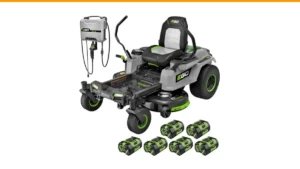
This discussion is particularly timely. As awareness of climate change and environmental degradation grows, many homeowners are seeking ways to reduce their carbon footprint. One option is to explore alternatives to traditional gas-powered mowers. For instance, electric mowers, including battery-operated models, are becoming increasingly popular due to their lower emissions and quieter operation. You might also find it helpful to look at resources like the best battery lawn mower for small lawns to help you choose a more sustainable option.

Air Pollution and Lawn Mowers
A striking fact is that a gas-powered lawn mower emits as much pollution in one hour as driving a modern car for over 100 miles. According to the Ecology Action Center, gas mowers contribute to smog formation, releasing hydrocarbons, carbon monoxide, and nitrogen oxides. It’s estimated that in the U.S. alone, lawn mowers account for about 5% of the country’s air pollution.
For example, a typical gas mower emits about 87 pounds of CO2 per year. In contrast, an electric mower emits zero tailpipe emissions, making it a cleaner option for maintaining your lawn. This shift can significantly lower pollutants in your neighborhood, especially in urban areas where air quality is often compromised.
Noise Pollution: The Unseen Impact
Noise pollution is another critical aspect of lawn mower usage. Gas mowers operate at noise levels ranging from 85 to 95 decibels, exceeding the threshold considered safe for prolonged exposure. This can lead to hearing loss and increased stress levels for both operators and nearby residents.
Electric mowers, on the other hand, typically operate at about 60 decibels. This significant reduction in noise can enhance the quality of life for those living in close proximity, allowing for a more peaceful environment. Many people have switched to electric or battery-operated mowers not only for their environmental benefits but also for the quieter operation.
Resource Consumption
The resources required for producing, maintaining, and operating traditional lawn mowers also have an environmental cost. Gas mowers require fossil fuels, which contribute to resource depletion and carbon emissions during extraction and transportation. Additionally, the manufacturing process for both gas and electric mowers consumes energy and materials, contributing further to their environmental footprint.
Battery-operated mowers offer a more sustainable solution. They use less energy and can often be charged using renewable energy sources, further reducing their environmental impact. Investing in a battery-operated mower not only decreases reliance on fossil fuels but also promotes the use of cleaner energy options.
Comparative Overview of Lawn Mower Options
| Type of Mower | Air Pollution (CO2 Emissions) | Noise Level (Decibels) | Fuel Source | Maintenance Requirements |
|---|---|---|---|---|
| Gas Mower | 87 lbs/year | 85-95 dB | Gasoline | High |
| Electric Mower | Zero | 60 dB | Electricity | Medium |
| Battery-Operated Mower | Zero | 60 dB | Rechargeable battery | Low |
FAQs about Lawn Mowers and Their Environmental Impact
1. Do electric lawn mowers have a significant environmental impact?
Electric mowers typically produce zero emissions during operation, which significantly reduces their environmental footprint compared to gas mowers. However, consider the source of electricity; if it’s generated from fossil fuels, the overall impact may vary.
2. Can I use a gas mower in an environmentally friendly way?
While gas mowers are less eco-friendly, you can reduce their impact by maintaining them well, using them less frequently, and opting for cleaner fuel alternatives, like ethanol blends.
3. What are the benefits of using battery-operated mowers?
Battery-operated mowers are quieter, produce no emissions, and often require less maintenance than gas mowers. They can also be charged using renewable energy sources, making them a sustainable choice.
4. How can I minimize noise pollution when mowing my lawn?
Consider mowing early in the day or later in the evening to minimize disturbances. Using electric or battery-operated mowers can also significantly reduce noise levels.
5. Are there alternative lawn care methods that are more environmentally friendly?
Yes. Options like manual reel mowers, which require no fuel or electricity, are one way to reduce your environmental impact. Additionally, letting grass grow longer can reduce the frequency of mowing.
Takeaways for Eco-Friendly Lawn Care
- Consider switching to electric or battery-operated mowers to reduce emissions.
- Maintain your mower regularly to ensure efficient performance.
- Mow during hours that minimize noise disruption.
- Explore alternative lawn care methods, like manual mowers or longer grass lengths.
- Research local resources for renewable energy options to power electric mowers.
- Stay informed about new technologies and practices in lawn care that promote sustainability.
- Check the current price on Amazon for the best battery lawn mower for small lawns for eco-friendly options.