
Are Electric Lawn Mowers Better for the Environment?
Contents
Every weekend, countless homeowners step out into their yards, ready to tackle the growing grass. Some reach for traditional gas-powered mowers, while others have made the switch to electric models. With increasing awareness of environmental issues, many wonder: are electric lawn mowers better for the environment? This article will explore the impact of electric mowers on air quality, noise pollution, and overall sustainability.
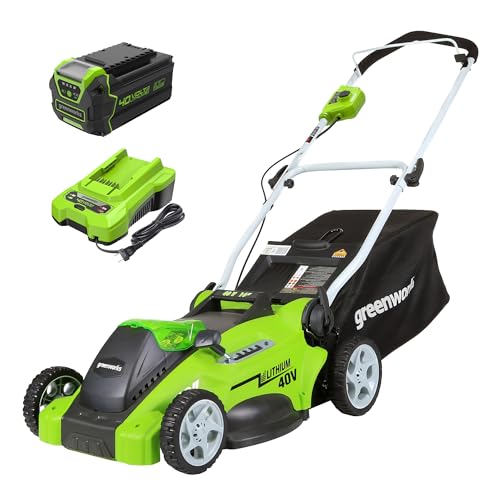
As you read on, you’ll learn about the specific benefits electric lawn mowers offer compared to their gas counterparts. One example is the Greenworks 40V 16in Push Lawn Mower, a lightweight, battery-operated mower that efficiently handles up to a third of an acre with ease. Its eco-friendly design not only reduces emissions but also offers features like mulching and bagging options.
Greenworks
Greenworks 40V 16in Push Lawn Mower, 4.0 Ah Battery and Charger
- [16" LAWN MOWER] - This 40V lawn mower cuts up to 1/3 acre with fully charged 4.0Ah battery (varies based on grass condition and o…
- [ULTRA LIGHTWEIGHT] - 35% lighter than steel deck mowers
- [SINGLE LEVER HEIGHT ADJUST] - 5 position height adjustment

Understanding the Environmental Impact
The environmental impact of lawn care equipment is significant. Traditional gas mowers generate emissions that contribute to air pollution. In fact, according to the U.S. Environmental Protection Agency, one hour of operation for a gas mower can produce as much smog-forming pollution as driving a modern car for over 100 miles. This stark contrast highlights the need for more sustainable alternatives.
Electric lawn mowers, on the other hand, produce zero emissions during operation. They use electricity stored in batteries, significantly reducing their carbon footprint. Furthermore, as more regions shift to renewable energy sources, the overall impact of charging these mowers will continue to improve.
Comparing Gas and Electric Mowers
While electric lawn mowers offer numerous benefits, it’s essential to weigh both options carefully. Here’s a comparison based on some key factors:
| Factor | Gas Mowers | Electric Mowers |
|---|---|---|
| Emissions | High emissions contributing to air pollution | Zero emissions during operation |
| Noise Level | Relatively loud (85+ dB) | Quieter operation (60-75 dB) |
| Maintenance | Regular engine maintenance required | Minimal maintenance; battery checks needed |
| Cost of Operation | Higher fuel costs | Lower electricity costs |
| Weight | Generally heavier | Lighter and easier to maneuver |
Long-term Sustainability Considerations
When considering whether electric lawn mowers are better for the environment, it’s crucial to examine their sustainability over time. Battery technology has advanced significantly, leading to longer-lasting and more efficient batteries. For instance, the Greenworks 40V mower mentioned earlier features a robust 4.0Ah battery that can effectively cover a third of an acre.
Not only do these mowers reduce emissions, but they also produce less noise pollution, making them more suitable for residential areas. In fact, using electric mowers can lead to a more pleasant mowing experience, reducing disturbances for neighbors and enhancing the overall quality of life in the community.
However, some concerns remain about battery disposal and production. It’s essential to recycle batteries properly to minimize environmental impact. Many manufacturers offer take-back programs to ensure responsible disposal and recycling.
Frequently Asked Questions
Do electric lawn mowers require special maintenance?
Electric lawn mowers generally require less maintenance than gas mowers. Owners should check and maintain battery health and keep the blades sharp. Regular cleaning of the deck can help prolong the mower’s lifespan.
How long do electric lawn mower batteries last?
Battery lifespan can vary, but most modern electric mowers offer batteries that last between 3 to 5 years with proper care. It’s important to follow manufacturer guidelines for charging and storing to maximize battery life.
Can electric mowers handle thick grass?
Most electric mowers can handle normal grass growth, but thicker, taller grass may require more power. Models like the Greenworks mower provide adjustable cutting heights, making it easier to manage various grass conditions.
Are electric mowers more expensive than gas mowers?
Initial costs for electric mowers can be higher, but they tend to be cheaper to operate over time due to lower electricity costs and reduced maintenance needs. Evaluate your long-term lawn care needs when considering the investment.
What about charging times for electric mowers?
Charging times vary by model, but many electric mowers take anywhere from 30 minutes to a few hours for a full charge. Quick charging options are also becoming more common, making them convenient for regular use.
Closing Thoughts
- Electric lawn mowers produce zero emissions during operation.
- They are quieter, reducing noise pollution in residential areas.
- Operating costs are generally lower due to reduced fuel and maintenance expenses.
- Battery technology is improving, leading to longer-lasting and more efficient performance.
- Proper battery recycling is essential for minimizing environmental impact.
- Consider your lawn care needs when choosing between electric and gas options.
- Explore models like the Greenworks 40V for an efficient, eco-friendly mowing experience.