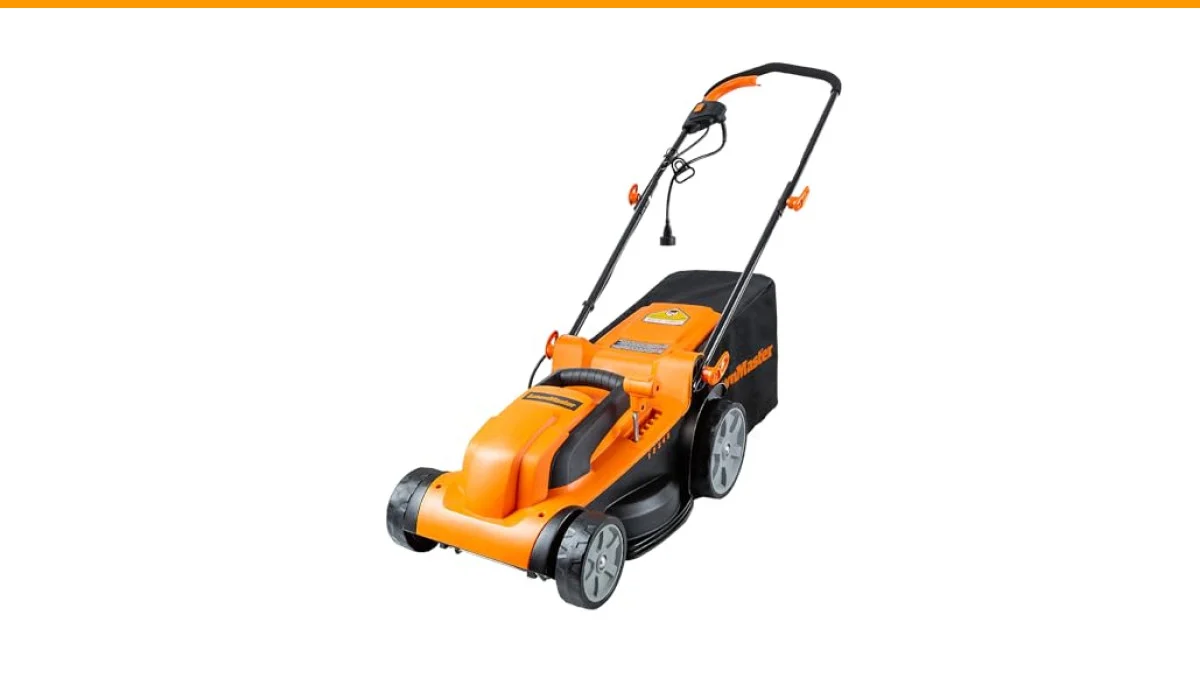
Many homeowners might not think twice about firing up their lawn mowers to keep their yards looking pristine. However, as you take in the freshly mowed lawn, it’s worth considering the environmental impact of these everyday machines. Are they as clean as we assume, especially when compared to our cars? This article dives deep into the emissions produced by lawn mowers versus those generated by cars, offering insights that could change how you approach yard maintenance.
Throughout this discussion, readers will gain a clearer understanding of the emissions produced by lawn mowers compared to automobiles. You’ll walk away with factual data and practical considerations that might influence your choice of lawn care equipment, prompting you to think critically about the environmental implications of your outdoor power tools.
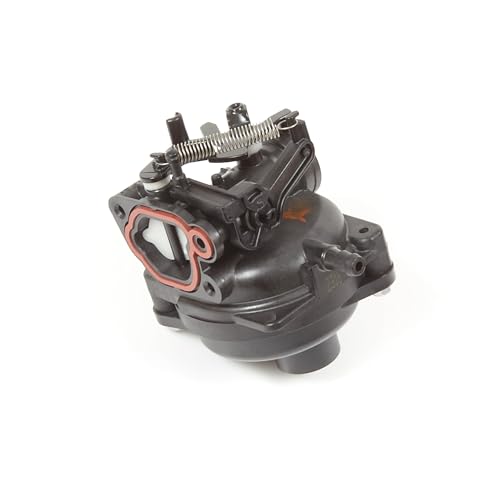
Briggs & Stratton
Briggs & Stratton 594058 Genuine Lawn Mower Carburetor | Auto-choke carburetor for select 550EX, 625EX, 675EX and 725EXi engines
- APPLICATION CHECK: Auto-choke carburetor for select Craftsman, Troy-Bilt, Husqvarna, Murray and Yard Machines walk-behind mowers a…
- ENGINE FITMENT: Select 550EX, 625EX, 675EX and 725EXi series engines. REPLACEMENT PART NUMBERS: 595192, 596505. Verify engine mode…
- FUEL-AIR DELIVERY: Auto-choke carburetor meters fuel and air to support smooth starting and operation. Replacement may help addres…
If maintaining your lawn’s health is important to you, consider using quality parts to ensure your equipment runs efficiently. The Briggs & Stratton 594058 Carburetor is a prime example of a part designed to keep your lawn mower operating at peak performance. Genuine parts like this not only enhance efficiency but also ensure compliance with EPA emission regulations, reducing your environmental footprint.

Understanding Emissions: Lawn Mowers vs. Cars
Typically, people associate car emissions with pollution, but lawn mowers can actually produce significant emissions too. A gas-powered lawn mower emits approximately 90 grams of carbon monoxide per hour. In contrast, a modern car emits around 4.6 grams of carbon monoxide per mile. While that number may seem low, consider the frequency and duration of lawn mowing, which can exceed an hour for larger yards.
Common Misconception: Lawn Mowers Are Cleaner Than Cars
Many assume that lawn mowers are less polluting than cars due to their smaller size. However, when you examine the emissions, this assumption doesn’t hold up. According to studies, one hour of mowing with a gas-powered mower can produce as much smog-forming pollution as driving a modern car for over 1,000 miles. This stark statistic highlights the misconception that lawn mowers are inherently cleaner than vehicles.
Types of Lawn Mowers and Their Emission Levels
The emission levels of lawn mowers can vary significantly based on the type of mower and its engine design. Below is a breakdown of typical emissions for different types of mowers:
| Type of Mower | Emissions (grams/hour) | Notes |
|---|---|---|
| Gas-Powered Mower | 90 | High emissions, especially older models |
| Electric Mower | 0 | No direct emissions; however, consider power source |
| Battery-Powered Mower | 0 | Cleaner than gas; efficiency varies by model |
| Robotic Mower | Minimal | Often battery-powered; very low emissions |
What Can You Do to Reduce Emissions?
Reducing emissions from lawn care requires conscious choices. Here are some practical steps:
- Consider switching to electric or battery-powered mowers, which produce zero direct emissions.
- Use your mower efficiently by keeping it well-maintained with parts like the Briggs & Stratton Carburetor.
- Limit mowing time and frequency to reduce overall emissions.
- Participate in community programs that promote sustainable lawn care practices.
- Stay informed about advancements in lawn care technology to find low-emission alternatives.
How do lawn mower emissions compare to car emissions?
Lawn mowers can produce more pollution per hour of operation than cars do over long distances. Specifically, an hour of mowing can equal emissions from driving a car over 1,000 miles.
Are electric lawn mowers a better option for the environment?
Yes, electric and battery-powered lawn mowers produce zero direct emissions. They are generally better for the environment, especially if your local power grid uses renewable energy sources.
What maintenance can help reduce emissions in gas mowers?
Regular maintenance, such as changing the oil, replacing air filters, and using quality parts like the Briggs & Stratton carburetor, can improve efficiency and reduce emissions.
Are there regulations on lawn mower emissions?
Yes, the EPA has set emission standards for lawn equipment. Using genuine parts ensures compliance with these regulations and helps reduce overall emissions.
What is the best type of mower for small yards?
For small yards, battery-powered mowers or electric mowers are often the best choice due to their low emissions and ease of use. They require less maintenance and are quieter than gas mowers.
Practical Steps to Lower Your Lawn Care Emissions
- Switch to electric or battery-powered mowers.
- Maintain your lawn mower regularly for optimal performance.
- Reduce mowing time where possible.
- Participate in local sustainability initiatives.
- Stay updated on eco-friendly lawn care practices.
Understanding lawn mower emissions vs car emissions is essential for making informed choices about yard maintenance. While lawn mowers may seem harmless, their environmental impact can be significant. By considering cleaner alternatives and maintaining your equipment properly, you can help protect the environment while enjoying a beautiful lawn.