
Understanding Battery Disposal for Electric Lawn Mowers
As electric lawn mowers gain popularity for their environmental benefits and ease of use, many owners find themselves facing a crucial question: what to do with the batteries once they reach the end of their life? Disposing of batteries improperly can lead to environmental hazards, including soil and water contamination. It’s essential to understand the best practices for battery disposal to ensure safety and compliance with local regulations.
This article will provide you with the information necessary to dispose of electric lawn mower batteries responsibly. You’ll learn about the types of batteries used, the disposal methods available, and practical tips to make the process easier. As a bonus, we’ll introduce a useful tool that can assist you in managing your battery disposal.

BTSKY
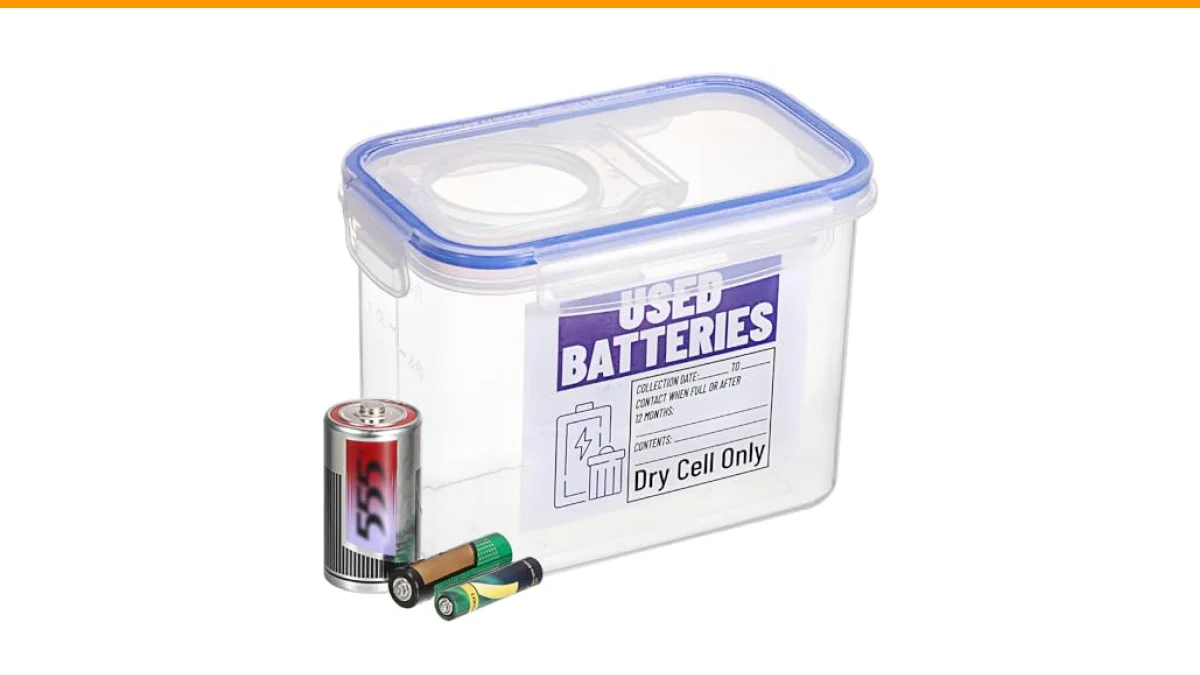
BTSKY Battery Recycling Container with Lid for Household Batteries, Blue | Battery Disposal Container 1.3 L Capacity Dry Cell Storage Recycling Bin with Label for Home Use, Office, Garage
- Value Pack for Battery Disposal: The package includes a reusable container and an easily identifiable battery recycling label (you…
- Ideal Size: with a capacity of about 1.3L/1.18 Quart, the total height with lid is about 4.8inches/ 12 cm, a bottom length of abou…
- Innovative Sealed Lids for Safe Storage: The battery disposal container features two opening sealable lid design, by providing a s…
The BTSKY Battery Recycling Container is an excellent resource for storing used batteries until you’re ready to dispose of them. This container features a sealed lid for secure storage and comes with a battery recycling label, making it easy to keep track of your used batteries.
Types of Batteries Used in Electric Lawn Mowers
Electric lawn mowers typically use two main types of batteries: lead-acid and lithium-ion. Understanding the differences between these batteries is crucial for proper disposal.
- Lead-Acid Batteries: These are common in older models and are generally heavier and less expensive. However, they contain toxic materials such as lead and sulfuric acid, which require careful disposal.
- Lithium-Ion Batteries: More modern mowers typically use lithium-ion batteries, which are lighter and more efficient. While they are less hazardous than lead-acid batteries, they still require proper recycling to minimize environmental impact.
Safe Disposal Methods for Lawn Mower Batteries
When it comes to battery disposal for electric lawn mowers, you have several options:
- Recycling Centers: Many recycling facilities accept both lead-acid and lithium-ion batteries. Check with your local waste management authority for designated drop-off locations.
- Retail Take-Back Programs: Some retailers, particularly those selling lawn care equipment, offer battery take-back programs. This option allows you to return your old battery when purchasing a new one.
- Hazardous Waste Collection Events: Local governments often organize events for the safe collection of hazardous materials, including batteries.
What to Avoid When Disposing of Batteries
Misconceptions about battery disposal can lead to dangerous practices. Here are some common myths:
Myth 1: It’s Okay to Throw Batteries in the Trash
This is false. Throwing batteries in the regular trash can result in leaks, fires, and environmental contamination. Always recycle batteries instead.
Myth 2: All Batteries Can Be Recycled in the Same Way
Different types of batteries have different recycling processes. Always check local guidelines to ensure you’re following the correct procedures for the specific type of battery.
Comparative Table of Battery Disposal Methods
| Disposal Method | Type of Battery Accepted | Convenience Level | Environmental Impact |
|---|---|---|---|
| Recycling Centers | Lead-Acid, Lithium-Ion | Moderate | Low |
| Retail Take-Back Programs | Lead-Acid, Lithium-Ion | High | Low |
| Hazardous Waste Events | Lead-Acid, Lithium-Ion | Variable | Low |
Frequently Asked Questions
What should I do if my battery is leaking?
If your battery is leaking, handle it with care. Wear gloves and a mask to protect yourself from exposure. Place it in a plastic bag and take it to a hazardous waste disposal site immediately.
Can I recycle batteries in my regular recycling bin?
No, batteries should not be placed in regular recycling bins. Check with local regulations for designated battery recycling options.
How often should I dispose of my lawn mower batteries?
Dispose of batteries as soon as they show signs of failure or after they’ve reached their lifespan, which typically ranges from 3 to 10 years, depending on the type.
Are there any fees for recycling batteries?
Some recycling facilities may charge a small fee for battery disposal, particularly for lead-acid batteries. Check with your local facility for details.
What happens to recycled batteries?
Recycled batteries are broken down, and their materials are repurposed. Lead, plastic, and lithium can be extracted and used in new batteries or other products.
Takeaways for Responsible Battery Disposal
- Always recycle batteries; never throw them in the trash.
- Know the type of battery you have and follow local disposal guidelines.
- Consider using a battery recycling container like the BTSKY model for safe storage.
- Utilize local recycling centers or retail take-back programs.
- Participate in hazardous waste collection events in your area.
- Stay informed about the lifespan of your batteries to manage disposal effectively.
- Educate others about the importance of proper battery disposal.
For more information on electric lawn mowers and their proper maintenance, consider checking out guides such as electric lawn mowers for large gardens or the best battery lawn mowers.


