
The Environmental Impact of Gas Lawn Mowers: A Comprehensive Guide
Contents
Imagine stepping outside on a sunny Saturday morning, ready to tackle your lawn. You fire up your gas lawn mower and go to work. As the engine roars to life, a cloud of exhaust fills the air. Have you ever wondered how that impacts the environment? Many homeowners don’t realize the extent to which gas lawn mowers contribute to pollution and greenhouse gas emissions. This article sheds light on the environmental impact of gas lawn mowers and offers insight into alternatives that can help you maintain a beautiful lawn without harming the planet.
You’ll walk away with a clear understanding of how gas mowers affect air quality, the specific pollutants they emit, and the benefits of switching to electric options. For those considering a transition, the Greenworks 40V 16in Push Lawn Mower is a solid choice. It’s lightweight, efficient, and significantly reduces emissions compared to traditional gas mowers.
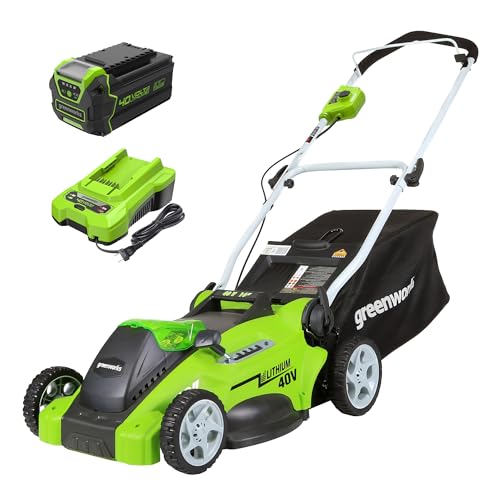
Greenworks
Greenworks 40V 16in Push Lawn Mower, 4.0 Ah Battery and Charger
- [16" LAWN MOWER] - This 40V lawn mower cuts up to 1/3 acre with fully charged 4.0Ah battery (varies based on grass condition and o…
- [ULTRA LIGHTWEIGHT] - 35% lighter than steel deck mowers
- [SINGLE LEVER HEIGHT ADJUST] - 5 position height adjustment
Understanding the Emissions from Gas Lawn Mowers
Gas lawn mowers typically use small, two-stroke engines that burn a mixture of gasoline and oil. According to the Environmental Protection Agency (EPA), operating a gas mower for just one hour produces as much pollution as driving a new car for about 1,100 miles. The main pollutants include:
- Carbon Dioxide (CO2): A greenhouse gas that contributes to climate change.
- Carbon Monoxide (CO): A toxic gas that can cause harmful health effects.
- Nitrogen Oxides (NOx): Contribute to the formation of ground-level ozone, a harmful pollutant.
- Particulate Matter (PM): Small particles that can penetrate deep into the lungs and affect respiratory health.
These emissions can have a profound effect not only on air quality but also on public health, particularly for individuals with pre-existing respiratory conditions.
Comparison of Environmental Impacts
In comparing gas lawn mowers to electric options, several key factors come into play. The following table outlines these differences:
| Type | Emissions | Noise Level | Maintenance | Cost |
|---|---|---|---|---|
| Gas Lawn Mower | High emissions (CO2, CO, NOx) | Very noisy (85-95 dB) | Frequent oil changes, spark plug maintenance | Higher initial cost, fuel cost over time |
| Electric Lawn Mower | Zero emissions at point of use | Quieter (60-70 dB) | Minimal maintenance (occasional battery replacement) | Lower initial cost, no fuel cost |
The Benefits of Electric Lawn Mowers
Switching to an electric lawn mower can drastically reduce your environmental footprint. Here are some benefits:
- Reduced Emissions: Electric mowers produce zero emissions during operation, making them a cleaner choice.
- Lower Noise Pollution: These mowers operate much more quietly, which is a relief for you and your neighbors.
- Minimal Maintenance: Electric mowers require less upkeep, saving you time and money in the long run.
- Cost-Effective: Although the upfront cost can be comparable, you save on fuel and maintenance, making it more economical over time.
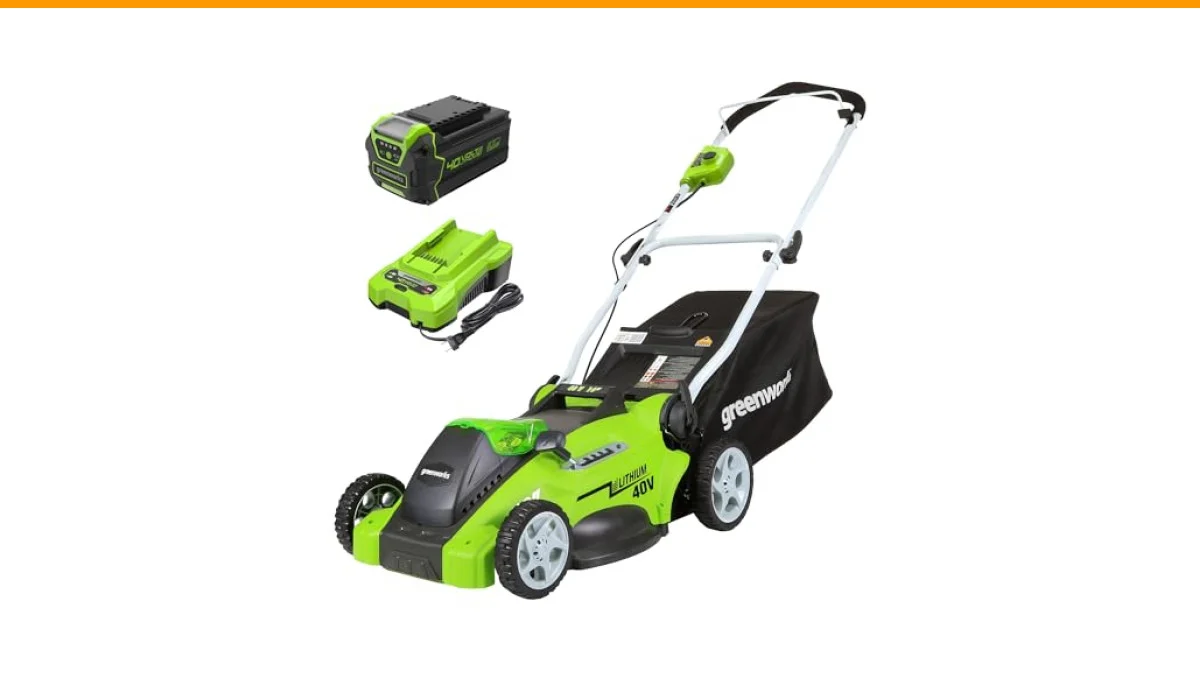
The Greenworks 40V 16in Push Lawn Mower exemplifies these benefits, offering a powerful battery system that can handle up to a third of an acre on a single charge.
Frequently Asked Questions
1. How much pollution do gas lawn mowers produce?
Operating a gas lawn mower for one hour can emit as much pollution as driving a modern car for 1,100 miles. This includes significant amounts of CO2, CO, and NOx.
2. Are electric lawn mowers more expensive to operate?
Generally, electric mowers are cheaper to operate. They eliminate fuel costs, and their maintenance needs are significantly reduced, leading to lower overall expenses.
3. Can I use an electric mower on a large lawn?
Yes, many electric mowers, like the Greenworks model, are designed to handle larger lawns, typically up to one-third of an acre, depending on battery capacity and grass conditions.
4. What are the noise levels of gas vs. electric mowers?
Gas mowers typically operate at noise levels of 85-95 dB, while electric mowers are quieter, operating around 60-70 dB. This difference can significantly reduce noise pollution in residential areas.
5. How can I make my lawn care more environmentally friendly?
Consider using electric lawn mowers, maintain your lawn regularly to reduce the amount of grass cut, and apply organic fertilizers and pest control methods to minimize chemical runoff.
Actionable Takeaways
- Consider transitioning to an electric lawn mower to reduce emissions.
- Understand the pollutants your gas mower emits and their effects on health.
- Regularly maintain your mower to keep it running efficiently.
- Educate neighbors about the benefits of eco-friendly lawn care.
- Spread awareness about the advantages of electric mowers.
- Explore local recycling programs for old gas mowers.
- Stay informed about advancements in lawn care technology for sustainability.