Imagine stepping out onto your balcony or patio, greeted by a riot of colors and textures from your carefully arranged plants. Container gardening provides an accessible way to cultivate beautiful plants even in limited spaces. Whether you’re a novice or a seasoned gardener, the right combinations can transform your small garden into a lush oasis.
This article will guide you through effective container garden design combinations. You’ll learn how to choose plants that complement each other in terms of color, texture, and growth patterns. Armed with these insights, you’ll be ready to create stunning arrangements that thrive together.
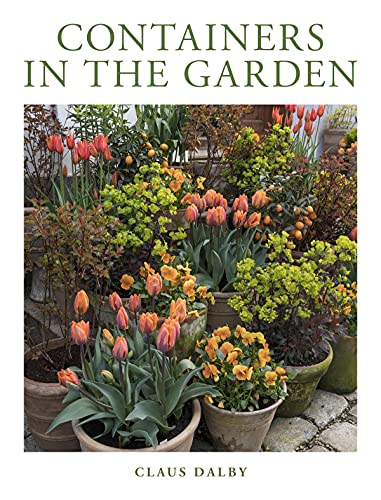
For those looking for more structured guidance, the book Containers in the Garden offers a wealth of practical advice on selecting and arranging plants in containers. It’s a valuable resource for anyone interested in enhancing their gardening skills.
1. Understanding Plant Compatibility
Before diving into specific combinations, it’s crucial to understand which plants can thrive together. Here are a few factors to consider:
- Light Requirements: Group plants with similar light needs. For example, succulents require full sun, while ferns thrive in shade.
- Water Needs: Plants with high water requirements should not be placed with drought-tolerant varieties. For instance, mix petunias with other moderate-water plants like marigolds.
- Growth Habit: Consider how tall or bushy a plant will grow. Combine tall plants, like sunflowers, with trailing plants, such as nasturtiums, to create layers.
2. Color Schemes for Impact
Color plays a significant role in container garden design. Here are some effective color combinations:
- Monochromatic: Use different shades of a single color, like various pinks, for a harmonious look.
- Complementary: Pair opposite colors on the color wheel, such as purple and yellow, for a vibrant contrast.
- Analogous: Choose colors that are next to each other on the color wheel, like red, orange, and yellow, for a gradient effect.
3. Seasonal Planting Combinations
Different seasons bring their own beauty. Here are combinations suited for each:
- Spring: Combine pansies, daffodils, and tulips for a colorful spring display.
- Summer: Use sunflowers, zinnias, and marigolds for a vibrant summer garden.
- Fall: Combine ornamental cabbage, asters, and chrysanthemums for rich autumn hues.
- Winter: Use evergreens, hellebores, and ornamental grasses to maintain interest during the colder months.
4. Maintenance and Care Tips
Creating stunning container garden design combinations requires ongoing care. Here are some pro tips:
- Watering: Water consistently but avoid over-saturating. Check the moisture level before watering.
- Fertilizing: Use a balanced, slow-release fertilizer to support growth throughout the season.
- Deadheading: Regularly remove spent flowers to promote new blooms and maintain plant health.
| Combination Type | Plant Examples | Seasonal Suitability |
|---|---|---|
| Monochromatic | Different shades of petunias | Spring to Fall |
| Complementary | Marigolds and blue lobelia | Summer |
| Analogous | Reds, oranges, and yellows of zinnias | Summer |
| Seasonal | Pansies, daffodils for Spring | Spring |
What plants work well together in a container garden?
Plants that share similar light and water requirements generally work well together. For example, combining herbs like basil and parsley with flowers like marigolds can create a visually appealing and functional arrangement.
How many plants can I put in one container?
The number of plants depends on the container size. A 12-inch pot can comfortably fit 3-5 small plants, while a larger 24-inch container can hold 5-7 plants. Ensure they have enough space to grow.
Do I need to change my container garden every season?
While you can change plants seasonally for variety, many perennials can be left in containers year-round. Just ensure they are suited for your climate and container conditions.
How do I prevent pests in my container garden?
Regularly inspect your plants for signs of pests. Introduce beneficial insects like ladybugs, or use neem oil as a natural pesticide to keep harmful insects at bay.
What is the best soil for container gardening?
A high-quality potting mix designed for containers is ideal. Look for one that retains moisture while providing good drainage and aeration for healthy root growth.
Actionable Takeaways
- Choose plants with similar light and water needs for best results.
- Experiment with color combinations to create visual impact.
- Opt for seasonal plants to keep your garden fresh throughout the year.
- Regular maintenance is key; water, fertilize, and deadhead as needed.
- Use a quality potting mix to support your plants’ growth.
- Inspect for pests regularly to maintain plant health.
- Refer to container gardening guides for more tips on tools and techniques.