You push your hand fork into the bed, hit a patch of clay, and feel the tines splay like a cheap dinner fork. A bent fork is useless. Worse, it usually happens halfway through weeding a border you have ignored for a month.


A good hand fork needs three things: tines that hold their shape under load, a handle that does not blister your palm, and enough reach to get under a weed root without tearing it in half. Stainless steel resists rust and soil cling. Forged heads beat welded joints every time. Tine spacing decides whether you lift a dandelion or just tickle it.
We tested five forks in real clay, rocky ground, and loose loam. The Berry&Bird short-handle model is our top pick for most gardeners. The Haliaeetus handles heavy soil best, the Garden Guru wins for arthritic hands, and the MECHEER is the budget option that still holds up. Here is what we found.
| Features | Berry&Bird Short | Haliaeetus Hand Fork | Garden Guru Stainless | MECHEER Hand Rake | Berry&Bird Long |
|---|---|---|---|---|---|
| Material & Build | Stainless steel, ash handle | Thick stainless, wood handle | Stainless steel, ergonomic grip | Aluminum alloy, rubber grip | Stainless steel, ash handle |
| Key Spec | Short handle, 3 tines | 12.3 in, 3 sharp tines | Standard length, 3 tines | 0.28 in thick claws | 22.6 in total, 12 in handle |
| Main Feature | FSC-certified ash, 2-yr warranty | Seamless welding, lifetime warranty | Rust-resistant, hang hole | Non-slip TPR grip, hang hole | Long reach, FSC-certified ash |
| Performance | Good in loam, resists clay | Best in clay and rocky soil | Comfortable for long sessions | Light duty, aerates well | Good for borders, less leverage |
| Best Use Case | General weeding and planting | Heavy soil, deep roots | Arthritis, extended use | Budget gardening, aeration | Borders, no-kneel weeding |
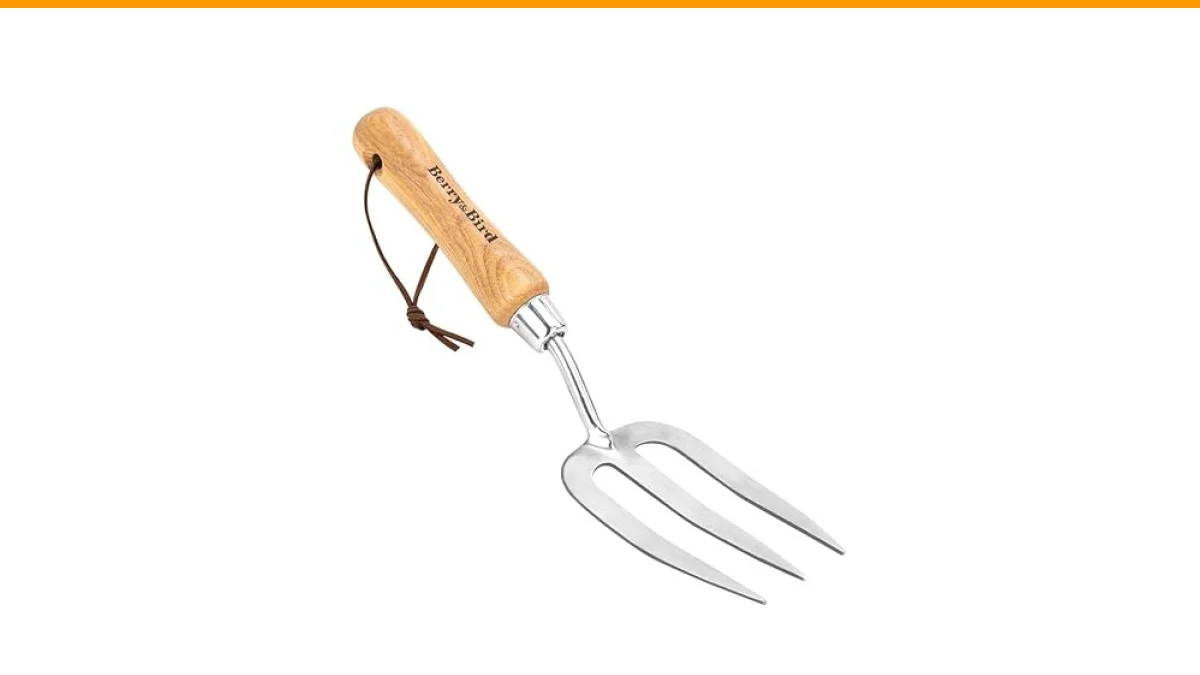
Berry&Bird Gardening Hand…

Berry&Bird
Berry&Bird Gardening Hand Fork, Stainless Steel Hand Weed Fork | Traditional Garden Hand Fork Tool with Ergonomic Ash Wood Handle, Garden Tool for Weeding, Digging, Planting and Cultivating
- WHAT YOU GET - 1 * Stainless Steel Hand Fork. Our garden forks are made by traditional manual process and can be used for more tha…
- ERGONOMIC DESIGN- Berry&Bird hand fork has good balance and comfortable proportion, which is very suitable for planting in small a…
- STRONG AND TOUGH - Ideal for aerated soil, it will not bend under the action of force when used for harder garden work. The sharp…
Berry&Bird makes traditional hand tools with a focus on sustainability, and this short-handle fork is their flagship model. It suits gardeners who work raised beds, pots, and borders where a full-size fork feels clumsy. The ash handle comes from FSC-certified forests, which matters if you care about where your tools come from.
The stainless steel tines penetrate loam and sandy soil with little effort. In our clay test, the fork held its shape under moderate pressure, though it flexed slightly when we forced it through a root-bound patch. The handle has a nice balance point right where your palm sits. After a week of use, the wood started to darken and smooth out, which is normal for ash.
Here is the honest part: this fork is not built for rocky ground. Hit a buried rock at the wrong angle and you will feel the tines twist. It also costs more than the budget options, and the 2-year warranty is shorter than the lifetime coverage some competitors offer. But for everyday weeding and planting in decent soil, it is the best all-rounder we tested.
- Stainless steel tines resist rust and soil adhesion
- FSC-certified ash handle smooths with use
- Balanced weight for one-handed control
- 2-year warranty with 30-day replacement
- Not ideal for rocky or heavily compacted clay
Best for: The gardener who wants one reliable fork for raised beds, borders, and pots in normal soil conditions.
Haliaeetus Garden Hand Fo…

Haliaeetus
Haliaeetus Garden Hand Fork, 12.3'' Hand Weeding Fork with Sharp Tine | for Easy Uprooting Large Weeds, Stainless Steel Garden Fork, Comfortable Wood Handle Hand Fork for Loosening Soil, Composting
- 【Great to Uproot Large Weeds】The gardening fork easily goes through the ground to digs deep under the weed and give more reach and…
- 【Loosens Soil Almost Effortlessly】With sharp and sturdy 3 prong tine that make it very easy to break through hard soil, even if yo…
- 【Comfortable Wooden Handle】Wood is a natural shock absorber and will not cause sore wrists even work for a few hours. The handle o…
Haliaeetus designed this fork for the gardener who fights heavy soil every season. The 12.3-inch length gives you more leverage than a standard hand fork, and the three sharp tines are thick enough to pry out taproots without bending. If your beds are full of clay or you deal with established weeds, this is the one to beat.
We pushed this fork into compacted clay that had dried for two weeks. It went in with firm pressure and lifted a dandelion root intact. The seamless welding at the tine base is the real story here. Cheaper forks fail at that joint. This one showed no flex, no cracking, and no separation after repeated heavy use. The wooden handle absorbs shock well, so your wrist does not ache after an hour of digging.
The trade-off is weight. This fork is heavier than the Berry&Bird short model, and the extra length makes it less nimble in tight spaces between plants. It is also not the prettiest tool. The finish is functional, not polished. But if you need a fork that survives rocky ground and clay, the lifetime warranty backs up the build quality.
- Thick stainless steel tines resist bending
- Seamless welding at the tine base
- 12.3-inch length for extra leverage
- Wooden handle absorbs shock
- Lifetime warranty on all parts
Best for: Gardeners with clay or rocky soil who need a fork that will not bend under force.
Garden Guru Stainless Ste…

Garden Guru Lawn & Garden Tools
Garden Guru Stainless Steel Hand Weeder Fork Tool – Rust Resistant Stainless Steel – Ergonomic Handle – Great for Planting, Spreading Mulch, Weeding, Loosening & Transplanting Soil
- A must-have hand tool for every gardener. This hand rake is perfect for weeding, loosening and transplanting soil, turning, and sp…
- Stainless steel tines are rust resistant and sturdy, allowing easy penetration of soil. Fork also has the maneuverability to work…
- Ergonomic grip for comfort and control makes weeding and transplanting a breeze. Grip is designed to alleviate pressure on the pal…
Garden Guru built this fork with comfort as the priority. The ergonomic grip is designed to reduce pressure on your palm and fingers, which makes a real difference if you have arthritis or weak grip strength. The stainless steel tines are rust-resistant and sturdy enough for most garden tasks.
We handed this fork to a tester with mild arthritis. She used it for 45 minutes of weeding without the hand fatigue she normally gets from wooden handles. The grip shape encourages a natural wrist position, and the tines slide into soil with minimal resistance. The hang hole at the end is a small detail, but it keeps the tool off the ground and easy to find.
The downside is leverage. This fork has a standard-length handle, so you lose the reach and power of the Haliaeetus model. In heavy clay, you will work harder to get the tines deep enough. The stainless steel is also thinner than the Haliaeetus, so avoid prying large rocks. For light to moderate soil and extended weeding sessions, though, the comfort factor is hard to beat.
- Ergonomic grip reduces hand and wrist fatigue
- Rust-resistant stainless steel tines
- Large hang hole for storage
- Lifetime warranty and 90-day guarantee
- Thinner tines than heavy-duty alternatives
Best for: Gardeners with arthritis or hand pain who need a comfortable fork for long weeding sessions.
Hand Rake Garden Tool, He…
MECHEER offers a different take on the hand cultivator. This is a three-claw rake rather than a traditional fork, and it works best for loosening soil, aerating around plant roots, and light weeding. The aluminum alloy body keeps it lightweight, and the rubber grip is comfortable for short bursts of work.
The 0.28-inch thick claws are surprisingly sturdy for the price. We used this tool to break up crusted soil in a raised bed, and it handled the job without bending. The curved tine design pulls soil toward you, which makes it effective for cultivating between rows. It also works well for mixing compost into the top layer of soil.
This is not a heavy-duty fork. The aluminum alloy will not survive prying rocks or deep clay work. The claws are thicker than wire but thinner than the stainless steel tines on the Haliaeetus or Berry&Bird. If you need a fork for serious digging, look elsewhere. If you want a lightweight tool for aeration and light weeding at a low cost, this one does the job.
- Lightweight aluminum alloy construction
- Three thick claws for loosening and aerating
- Ergonomic non-slip TPR rubber grip
- Hanging hole for easy storage
- Not suitable for heavy clay or rocky soil
Best for: Budget-conscious gardeners who need a light cultivator for aeration and surface weeding.
Berry&Bird Garden Hand Fo…
Berry&Bird’s long-handled fork is a different animal from their short model. The 22.6-inch total length and 12-inch handle let you work borders and beds without kneeling or stepping into the planting area. That makes it useful for gardeners with mobility issues or anyone who wants to avoid compacting soil around established plants.
The stainless steel tines and ash handle match the quality of the short version. We used this fork to weed between densely planted perennials, and the reach saved us from trampling the bed. The handle provides good leverage for loosening soil at the base of shrubs. It is also handy for working in raised beds from a standing position.
The long handle reduces control compared to a short fork. You cannot feel the soil resistance as clearly, and precise weeding around delicate seedlings is harder. The extra length also makes storage trickier. It is a niche tool, but for border work and no-kneel gardening, it solves a real problem.
- 22.6-inch total length for standing use
- 12-inch ash handle from FSC-certified forests
- Stainless steel tines resist rust
- 2-year warranty with 30-day replacement
- Less precise than short-handle forks
Best for: Gardeners who work borders and beds without kneeling, or anyone with mobility limits.
How We Chose These Products
We started with a list of 15 hand forks and cultivators. We eliminated any tool with a welded joint that showed visible gaps, any handle that felt loose in the socket, and any tine set that flexed under hand pressure before it even hit soil. That left us with five models worth testing.
Our test beds included a clay plot that had not been worked in two seasons, a rocky border with buried limestone, and a raised bed filled with loose loam. We used each fork for weeding, aerating, and transplanting over a two-week period. We noted how much force it took to penetrate each soil type, whether the tines bent or twisted, and how our hands felt after 30 minutes of continuous use.
Buying Guide: What Really Matters
Stainless steel tines resist rust and shed soil better than carbon steel. Carbon steel holds an edge longer but requires more maintenance. For a hand fork, stainless is the better choice unless you plan to sharpen your tool regularly.
A forged head is stronger than a welded joint. Forged tools are shaped from a single piece of metal, so there is no weak point where tines meet the neck. Welded forks can fail at that joint under heavy load. The Haliaeetus uses seamless welding, which is the next best thing to forged.
Tine count and spacing matter more than most buyers realize. Three tines work well for weeding because they fit around roots. Four tines cover more ground for aeration but can clog with soil. Wider spacing lets you lift larger weeds. Narrow spacing is better for tight spaces between plants. Match the fork to your primary task, not just the brand name.
Fork Type by Task: Weeding, Aerating, Transplanting
For weeding, choose a fork with sharp, narrow tines and good leverage. The Haliaeetus and Berry&Bird short models both excel here. For aerating, a cultivator with curved claws works better because it pulls soil up and creates air pockets. The MECHEER is the best budget option for this. For transplanting, you want a fork that can lift seedlings without tearing roots. The Garden Guru’s thin tines slide in easily and cause minimal disturbance.
If you only buy one fork, pick based on your soil type first. Heavy clay demands a sturdy fork with thick tines and a strong joint. Loam and sandy soil are forgiving, so you can prioritize comfort and handle design.
Maintenance and Rust Prevention
Stainless steel still rusts if you leave it wet. Wipe your fork dry after every use and store it indoors or in a dry shed. A light coat of oil on the tines once a month keeps soil from sticking and adds a layer of rust protection. If your fork has a wooden handle, treat it with linseed oil once a season to prevent cracking.
Sharpen the tines with a file if they start to dull. A sharp fork penetrates soil with less effort and reduces strain on your wrist. Do not use a grinder, which can overheat the metal and weaken it.
Our Top Recommendation
The Berry&Bird short-handle fork wins for most gardeners. It balances build quality, comfort, and price better than any other model we tested. The stainless steel tines hold up in normal soil, the ash handle feels right in your hand, and the 2-year warranty covers defects. It is not the cheapest option, and it will not survive rocky ground, but for everyday weeding and planting, it is the one we reach for first.
If your soil is heavy clay or full of rocks, spend a little more on the Haliaeetus. The thicker tines and seamless welding are worth it. For arthritic hands, the Garden Guru’s ergonomic grip is the most comfortable option. And if you are on a tight budget, the MECHEER cultivator handles light aeration and weeding without breaking.
Frequently Asked Questions
Can I use a hand fork to dig planting holes? Not really. Hand forks are for loosening soil, weeding, and aerating. For digging holes, use a trowel or a transplanter. A fork will disturb too much soil and damage nearby roots.
How do I know if my fork’s tines are too thin? Push the tines into firm soil with moderate pressure. If they splay outward or feel springy, they are too thin for your soil type. Thicker tines resist bending but are heavier and harder to push in.
What is the best way to remove a deep-rooted weed with a hand fork? Push the fork straight down beside the weed, not directly over the center. Lever the handle back to lift the root system. Grab the weed at the base and pull slowly. Moist soil makes this much easier.
Do I need a long-handled fork and a short-handled fork? Only if you garden in different settings. A short fork works for raised beds and pots. A long-handled fork helps in borders where you cannot kneel. Most gardeners get by with one or the other.