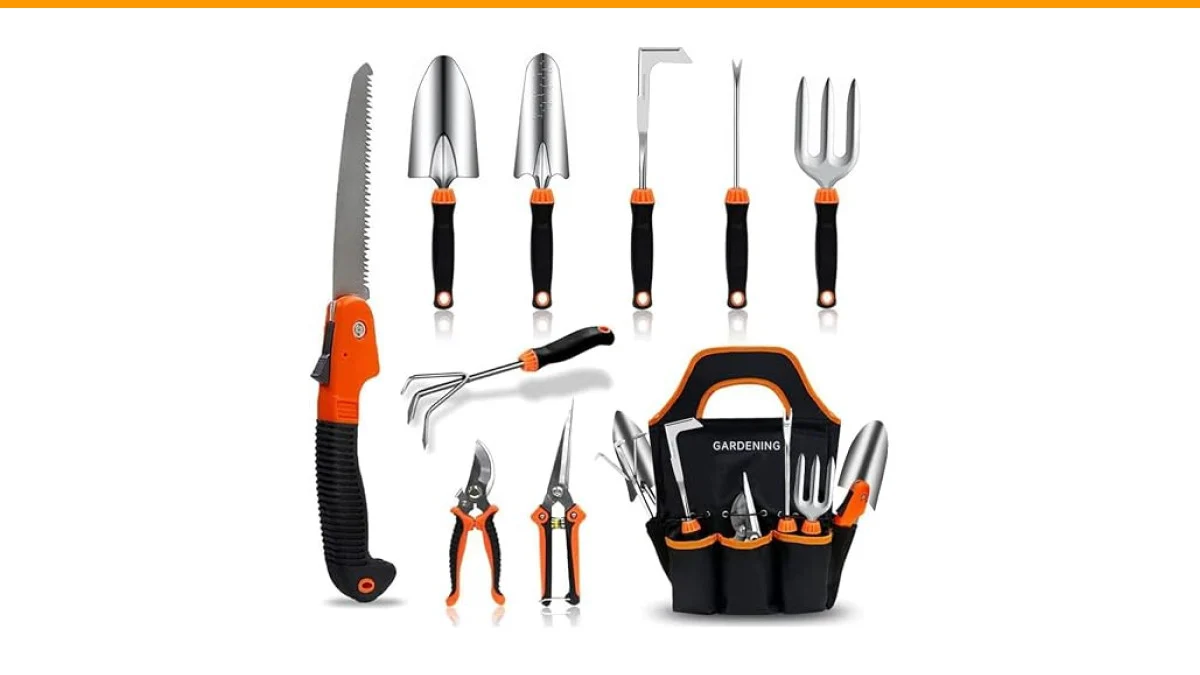
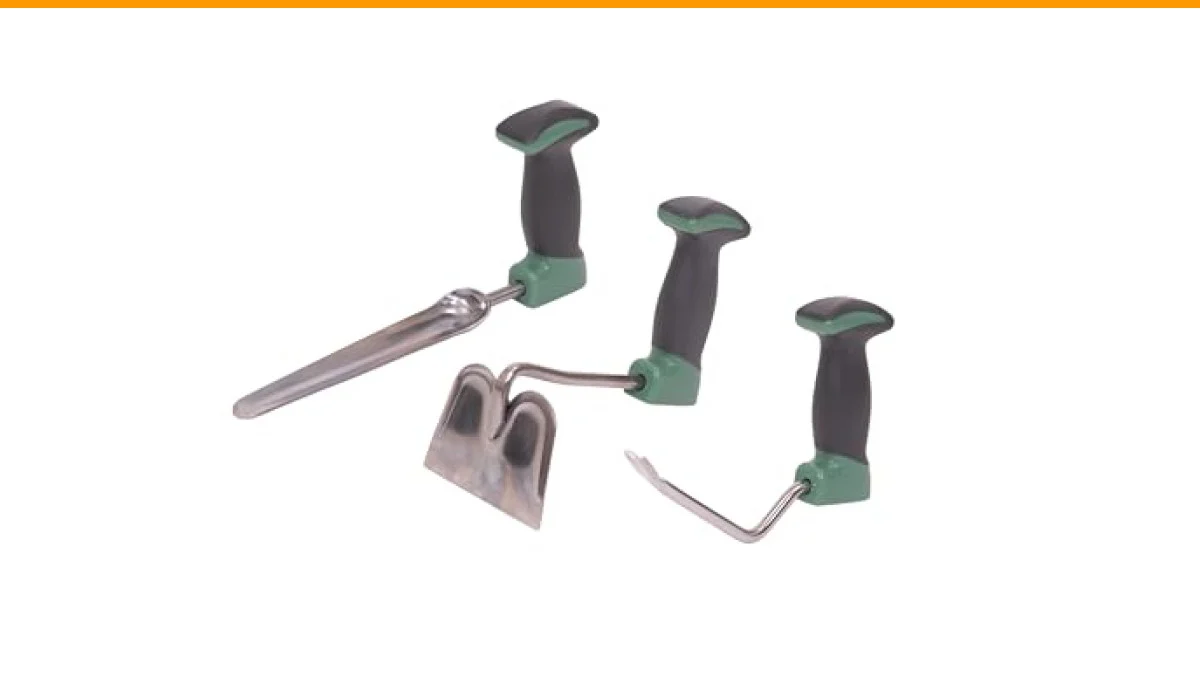
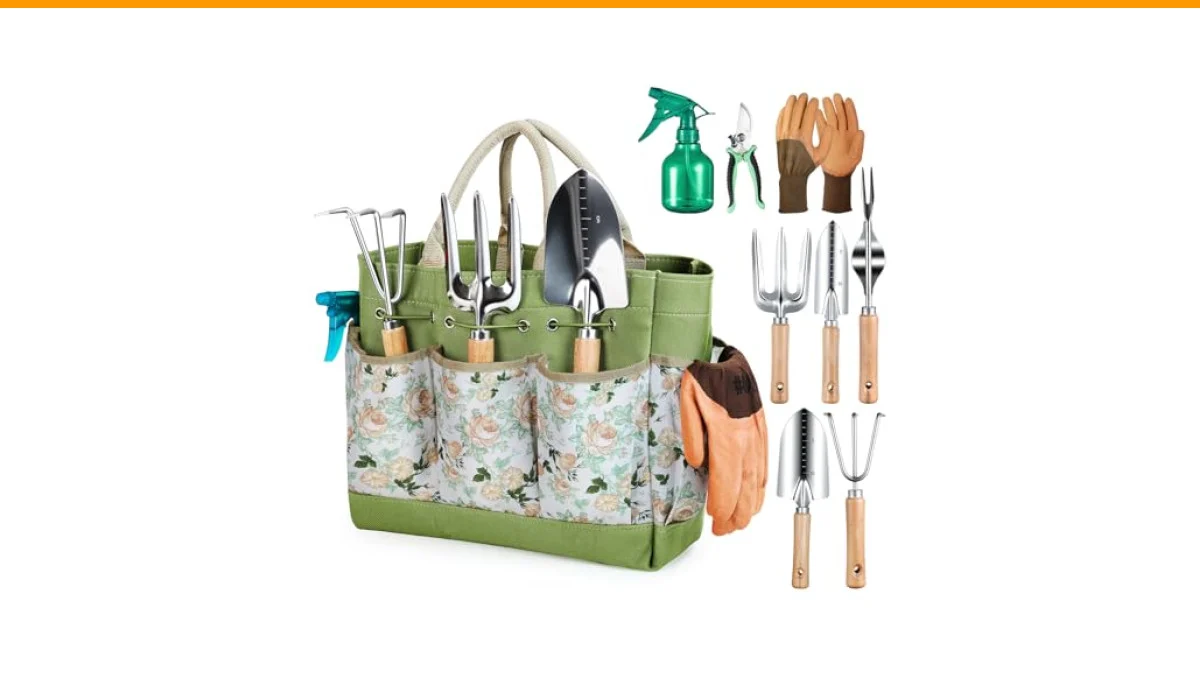
You need to test your soil. The lab kit is sitting on the counter, and the instructions say to take a sample from six inches down. Your trowel keeps pushing the soil aside instead of cutting a clean core, and the sample ends up a messy pile of loose dirt. A hand fork solves this problem. The tines slide into the ground, lift the soil out in chunks, and let you mix a representative sample without half of it sticking to the blade.
Not every fork works for sampling, though. Thin tines bend in clay. Wide tine spacing lets soil fall through before you can pull it up. A handle that feels fine for ten minutes of weeding will rub a blister after an hour of pushing a fork into dry ground. The right tool needs stainless steel that resists rust, tines close enough to hold a soil core, and a grip that lets you push with your palm, not just your fingers.
This guide covers five hand forks that work for soil sampling, explains how to take an accurate sample with a fork, and shows you how to avoid contaminating one zone with soil from another. The Haliaeetus Garden Hand Fork is the best overall pick for most gardeners. The DeWit Small Garden Fork is the one to get if you have smaller hands or need to sample in tight beds.
Here is a quick comparison of the key specs that matter for soil sampling.
| Features | Haliaeetus Fork | Berry&Bird Fork | Fiskars Ergo Cultivator | DeWit Small Fork | Garden Guru Fork |
|---|---|---|---|---|---|
| Material and Build | Thick stainless steel, seamless weld | Stainless steel, ash wood handle | Cast aluminum, polished tines | Tempered boron steel, ash handle | Stainless steel, ergonomic grip |
| Tine Configuration | 3 sharp prongs | 3 sharp prongs | 3 cast tines | 3 compact tines | 3 stainless tines |
| Handle Type | Streamlined wood | FSC ash wood | Ergonomic handle | FSC ash hardwood | Ergonomic grip |
| Best Use Case | Heavy soil, large weeds | Pots, beds, borders | Tough soil, aerating | Tight spaces, small hands | Transplanting, mulching |
| Warranty | Lifetime | 2-year | Lifetime | Lifetime | Lifetime |
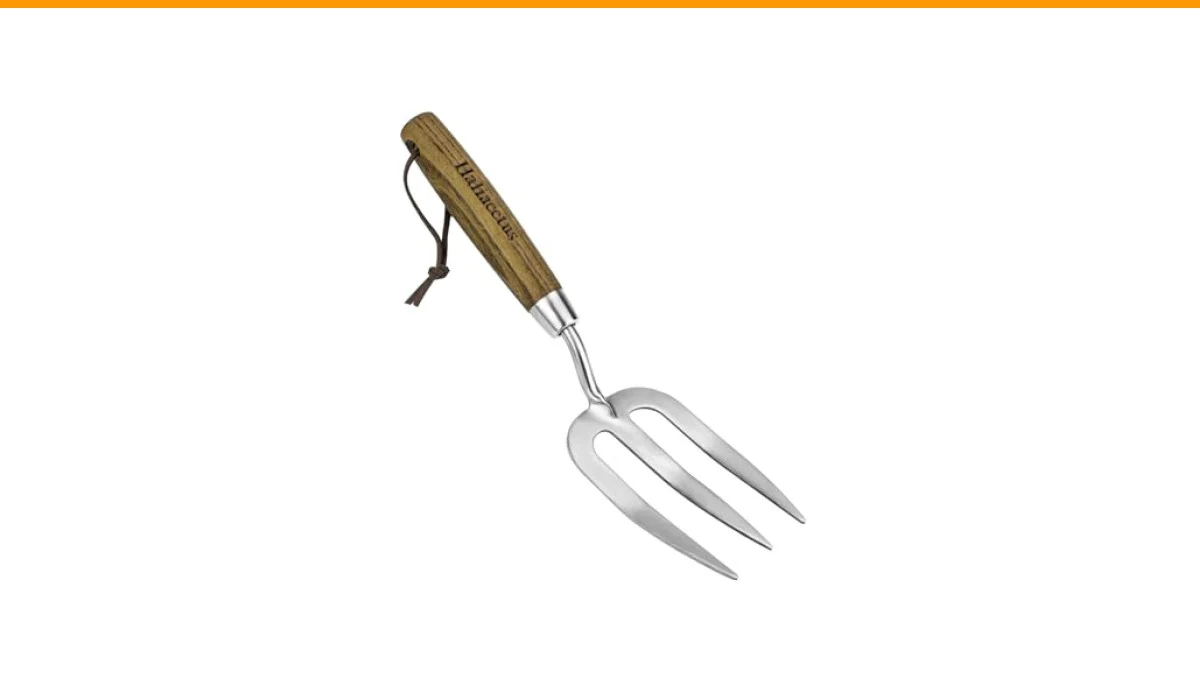
Haliaeetus Garden Hand Fork

Haliaeetus
Haliaeetus Garden Hand Fork, 12.3'' Hand Weeding Fork with Sharp Tine
- 【Great to Uproot Large Weeds】The gardening fork easily goes through the ground to digs deep under the weed and give more reach and…
- 【Loosens Soil Almost Effortlessly】With sharp and sturdy 3 prong tine that make it very easy to break through hard soil, even if yo…
- 【Comfortable Wooden Handle】Wood is a natural shock absorber and will not cause sore wrists even work for a few hours. The handle o…
The Haliaeetus Garden Hand Fork is a 12.3-inch tool built for digging into hard ground. The three sharp tines push through compacted soil without needing your full body weight behind them. This fork suits gardeners who sample clay or rocky soil and need a tool that won’t bend when it hits a stone.
What stands out is the seamless welding where the tines meet the handle. That joint is the weak point on most forks. Cheaper tools crack there after a season of use. The Haliaeetus uses thicker stainless steel than most forks in its class, and the wooden handle absorbs shock so your wrists don’t ache after an hour of sampling. The streamlined shape fits the natural curve of your hand.
The trade-off is weight. This fork is heavier than the DeWit or the Fiskars. If you have arthritis or weak grip strength, the extra ounces matter over a long sampling session. The wooden handle also needs occasional oiling to keep it from drying out and cracking.
- 12.3-inch length gives good leverage for deep sampling
- Thick stainless steel resists bending in heavy clay
- Seamless welding at the tine joint adds durability
- Wooden handle absorbs shock and reduces wrist strain
- Lifetime warranty covers defects
Best for: Gardeners who sample heavy, compacted, or rocky soil and want a fork that lasts decades.
Berry&Bird Gardening Hand Fork

Berry&Bird
Berry&Bird Gardening Hand Fork, Stainless Steel Hand Weed Fork
- WHAT YOU GET - 1 * Stainless Steel Hand Fork. Our garden forks are made by traditional manual process and can be used for more tha…
- ERGONOMIC DESIGN- Berry&Bird hand fork has good balance and comfortable proportion, which is very suitable for planting in small a…
- STRONG AND TOUGH - Ideal for aerated soil, it will not bend under the action of force when used for harder garden work. The sharp…
Berry&Bird makes a stainless steel hand fork with an ash wood handle from FSC-certified forests. The tool is designed for container gardening, raised beds, and border work. It works fine for soil sampling in those settings, especially if you’re taking shallow samples from pots or small plots.
The stainless steel tines release soil easily. That matters for sampling because you want the whole core, not half of it stuck to the metal. The ash handle has good balance and feels comfortable during extended use. Berry&Bird claims the tool improves with age as the wood and steel smooth out.
This fork is not the best choice for hard clay or rocky ground. The tines are sharp but thinner than the Haliaeetus. Push too hard in dense soil and you risk bending them. The 2-year warranty is also shorter than the lifetime coverage on most competitors here.
- Stainless steel tines resist rust and soil adhesion
- FSC-certified ash handle from responsible forestry
- Good balance for working in pots and raised beds
- Improves with use as wood and steel smooth
- 2-year warranty, shorter than most competitors
Best for: Container gardeners and raised-bed growers who sample light soil and want a rust-resistant fork.
Fiskars Ergo Garden Cultivator

Fiskars
Fiskars Ergo Garden Cultivator, Hand Tool for Digging, Aerating & Weeding | Heavy-Duty Cast Aluminum Tines, Rust Resistant, Ergonomic Handle, Hang Hole Storage, Loosens Soil in Garden Beds & Pots
- GARDENING ESSENTIAL: Heavy duty, ergonomic hand cultivator with sharp tines ideal for a variety of gardening tasks like digging in…
- MAXIMUM POWER AND PRECISION: Cast-aluminum head and tines boost power for digging in tough soil and enhance rust resistance; Ergon…
- LONG-LASTING AND RELIABLE: Polished aluminum tines stay sharp through heavy use and provide excellent durability for lasting value…
Fiskars calls this tool a cultivator, but it works as a hand fork for sampling. The cast-aluminum head and tines are polished to stay sharp through heavy use. The ergonomic handle reduces fatigue during long sessions. This is a good pick if you sample in tough soil and want a tool that feels solid without the weight of steel.
Aluminum resists rust better than steel, which helps if you sample wet soil and don’t dry the tool immediately. The polished tines slide into the ground with less friction than rough-cast metal. Fiskars backs the tool with a lifetime warranty, and the hang hole makes storage easy.
Aluminum is lighter than steel, but it’s also softer. If you hit a rock or root, the tines can bend. They bend back, but repeated bending weakens the metal over time. This fork is not the best choice for rocky ground or heavy clay. It works best in loam, sandy soil, or raised beds.
- Cast-aluminum head resists rust and stays sharp
- Ergonomic handle reduces hand fatigue
- Polished tines slide into soil with less friction
- Lighter than steel forks, easier on wrists
- Lifetime warranty from a known brand
Best for: gardeners who sample loam or sandy soil and want a lightweight, rust-resistant fork.
DeWit Small Garden Fork
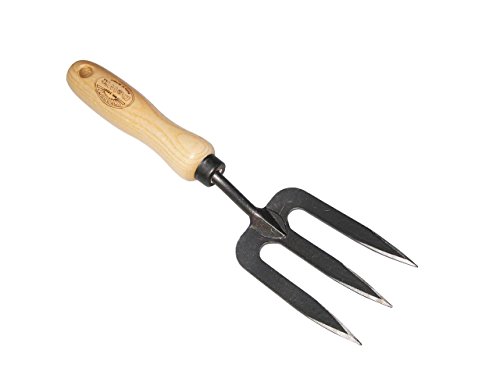
Tierra Garden
DeWit Small Garden Fork – Compact & Durable Cultivator
- Heirloom Quality: Designed for durability and precision, perfect for cultivating in tight spaces.
- Compact and Lightweight: Ideal for smaller hands, making it an excellent choice for female gardeners.
- Durable Construction: Crafted from tempered boron steel for strength and sharpness.
The DeWit Small Garden Fork is a compact tool handcrafted in Holland from tempered boron steel. It’s designed for cultivating in tight spaces and works well for soil sampling in small beds, between rows, or in containers. The smaller size makes it a good choice for gardeners with smaller hands.
Boron steel is harder than stainless. The tines hold a sharp edge longer and resist bending better than aluminum. The ash hardwood handle comes from FSC-certified forests and feels smooth in the hand. DeWit backs the tool with a lifetime guarantee, which says a lot about how long it’s expected to last.
The small size is also the main drawback. You can’t push this fork as deep as a full-size tool. For soil sampling, that means you’re limited to shallow samples or you need to dig multiple times to reach six inches. The compact head also holds less soil per lift, so sampling takes longer.
- Tempered boron steel holds a sharp edge
- Compact size fits tight spaces and small hands
- FSC-certified ash hardwood handle
- Handcrafted in Holland
- Lifetime guarantee
Best for: Gardeners with small hands or those sampling in tight beds and containers who don’t need deep cores.
Garden Guru Stainless Steel Fork

Garden Guru Lawn & Garden Tools
Garden Guru Stainless Steel Hand Weeder Fork Tool – Rust Resistant Stainless Steel – Ergonomic Handle – Great for Planting, Spreading Mulch, Weeding, Loosening & Transplanting Soil
- A must-have hand tool for every gardener. This hand rake is perfect for weeding, loosening and transplanting soil, turning, and sp…
- Stainless steel tines are rust resistant and sturdy, allowing easy penetration of soil. Fork also has the maneuverability to work…
- Ergonomic grip for comfort and control makes weeding and transplanting a breeze. Grip is designed to alleviate pressure on the pal…
Garden Guru makes a stainless steel hand fork with an ergonomic grip designed to reduce pressure on the palm and fingers. The tool works for weeding, loosening soil, transplanting, and spreading mulch. For soil sampling, it’s a solid mid-range option that handles most garden soils without complaint.
The stainless steel tines resist rust and warp less than cheaper forks. The ergonomic grip is the standout feature. It’s shaped to alleviate pressure points, which helps during long sampling sessions. A large hang hole makes storage easy, and the lifetime warranty plus 90-day satisfaction guarantee shows the company stands behind the tool.
The grip material is the weak point. It’s comfortable, but it can degrade over time if left in the sun or exposed to extreme temperatures. The tines are sturdy but not as thick as the Haliaeetus. This fork works well in average garden soil but struggles in heavy clay or rocky ground.
- Stainless steel tines resist rust and warping
- Ergonomic grip reduces hand and wrist fatigue
- Works for weeding, transplanting, and sampling
- Large hang hole for easy storage
- Lifetime warranty and 90-day satisfaction guarantee
Best for: gardeners who want one fork for sampling, weeding, and transplanting in average soil.
How We Chose These Products
We evaluated hand forks based on five criteria: tine durability, handle comfort, rust resistance, tine spacing, and warranty coverage. Tine durability matters most for soil sampling because you’re pushing the tool into the ground repeatedly. Forks with thick stainless steel or tempered boron steel scored higher than those with aluminum or thin steel.
Handle comfort came second. A fork that feels fine for five minutes of weeding can cause blisters after an hour of sampling. We favored handles made from wood or ergonomic materials that absorb shock and reduce grip pressure. Rust resistance, tine spacing, and warranty coverage rounded out the evaluation. Forks with lifetime warranties and stainless steel construction ranked above those with shorter coverage or rust-prone materials.
Buying Guide: What Really Matters
Tine spacing affects sample quality. Tines set close together hold more soil per lift and let you pull a cleaner core. Wide spacing lets soil fall through before you can lift it out. For sampling, look for tines spaced no more than half an inch apart. The Haliaeetus and Berry&Bird both have tight spacing that works well for this.
Material determines how long the fork lasts. Stainless steel resists rust and holds up in wet soil. Tempered boron steel is harder and holds a sharper edge. Aluminum is lighter but softer and prone to bending. For sampling in clay or rocky ground, stainless or boron steel is the better choice. For light soil and containers, aluminum works fine.
Handle material affects comfort more than you might expect. Wood absorbs shock and feels warm in cold weather. Ergonomic rubber or plastic grips reduce pressure points but can degrade over time. The best handle for you depends on how long you sample and how hard you push. If you have arthritis or weak grip strength, a thicker handle with a softer grip is easier on your hands.
How to Take an Accurate Soil Sample With a Hand Fork
Push the fork into the soil to a depth of six inches. If the soil is hard, water it lightly the day before. Twist the fork slightly to loosen the soil, then lift it out. Drop the soil into a clean plastic bucket. Take at least six subsamples from different spots in the same zone. Mix them together in the bucket. This gives you a representative sample for that area.
Label the bucket with the zone name before you start. Use a permanent marker on masking tape. If you’re sampling multiple zones, use a new bucket or wash the old one between zones. Cross-contamination between zones ruins the test results. Rinse the fork with water between zones, or wipe it with a cloth soaked in rubbing alcohol. Let it dry before moving to the next area.
For pH and moisture testing, take the sample when the soil is moist but not wet. Dry soil gives inaccurate pH readings. Wet soil clumps and won’t mix evenly. Aim for the consistency of a wrung-out sponge. If you’re sending the sample to a lab, follow their instructions for depth and number of subsamples. Most labs want a cup of mixed soil per zone.
Tine Spacing, Material, and Handle: What Actually Matters
Tine spacing determines how much soil the fork holds and how easily it releases. Tight spacing holds a better core but clogs in wet clay. Wide spacing releases soil easily but drops half the sample before you lift it. For sampling, tight spacing is usually better. You can always break up clumps after you lift the soil.
Material affects durability and rust resistance. Stainless steel is the best all-around choice for sampling. It resists rust, holds up in wet soil, and doesn’t react with soil chemicals. Tempered boron steel is harder and holds a sharper edge, but it can rust if you don’t dry it after use. Aluminum is light and rust-proof but bends under pressure.
Handle material affects comfort and control. Wood absorbs shock and feels warm in cold weather. It also dries out over time and needs occasional oiling. Ergonomic rubber or plastic grips reduce pressure points but can crack or degrade in sunlight. The best handle for you depends on your hand size, grip strength, and how long you sample.
Avoiding Cross-Contamination Between Sample Zones
Cross-contamination happens when soil from one zone mixes with soil from another. It skews test results and makes it hard to know which amendments your soil needs. The fix is simple: use a different bucket for each zone, and clean your fork between zones.
Rinse the fork with water to remove loose soil. Then wipe it with a cloth soaked in rubbing alcohol. Let it dry completely before moving to the next zone. If you don’t have alcohol, a 10% bleach solution works. Rinse the fork with water after the bleach and dry it before use. Bleach can corrode metal if left on too long.
Label each bucket before you start sampling. Write the zone name on a piece of masking tape and stick it to the bucket. Don’t rely on memory. After you’ve taken six samples from three zones, they all look the same.
Maintenance and Rust Prevention for Sampling Tools
Clean your fork after every use. Rinse off soil with a hose, then dry it with a cloth. Don’t let it air dry. Water left on the metal causes rust, even on stainless steel. If you sampled wet soil, dry the fork immediately.
Oil the metal parts once a month during sampling season. A few drops of mineral oil or WD-40 on a cloth wiped over the tines and joint prevents rust and keeps the tool working smoothly. Wooden handles need occasional oiling with linseed oil to prevent drying and cracking. Apply a thin coat, let it soak in, then wipe off the excess.
Store your fork indoors or in a dry shed. Leaving it outside in the rain is the fastest way to ruin it. If you have a hang hole, use it. Hanging the fork keeps it off the ground and lets air circulate around the metal.
For more detail on durable hand forks for tough soil, see this comparison of heavy-duty hand forks.
Frequently Asked Questions
Can I use a hand fork for soil sampling instead of an auger?
Yes, for shallow samples up to six inches. A hand fork works well for garden beds, raised beds, and containers. An auger is better for deep samples or when you need a precise core. For most home garden soil tests, a hand fork is enough.
How do I clean my fork between sample zones?
Rinse it with water to remove loose soil. Wipe it with a cloth soaked in rubbing alcohol or a 10% bleach solution. Let it dry completely before moving to the next zone. This prevents cross-contamination.
What tine spacing is best for soil sampling?
Tines spaced half an inch apart or closer hold a better soil core. Wider spacing lets soil fall through before you can lift it out. Tight spacing works better for sampling, even if it clogs more in wet clay.
Do I need a stainless steel fork for sampling?
Stainless steel is the best choice for most gardeners. It resists rust, holds up in wet soil, and doesn’t react with soil chemicals. Aluminum works for light soil and containers. Tempered steel is harder but can rust if you don’t dry it after use.
Our Top Recommendation
The Haliaeetus Garden Hand Fork is the best overall pick for soil sampling. The thick stainless steel tines resist bending in heavy soil, the seamless welding at the joint adds durability, and the wooden handle absorbs shock during long sessions. The lifetime warranty covers defects. Check the current price on Amazon.
If you have smaller hands or sample in tight beds, the DeWit Small Garden Fork is the better choice. It’s compact, made from tempered boron steel, and backed by a lifetime guarantee. For a lightweight option that resists rust, the Fiskars Ergo Garden Cultivator works well in loam and sandy soil. The Berry&Bird and Garden Guru forks are solid mid-range options for container gardeners and those who want one tool for sampling, weeding, and transplanting.