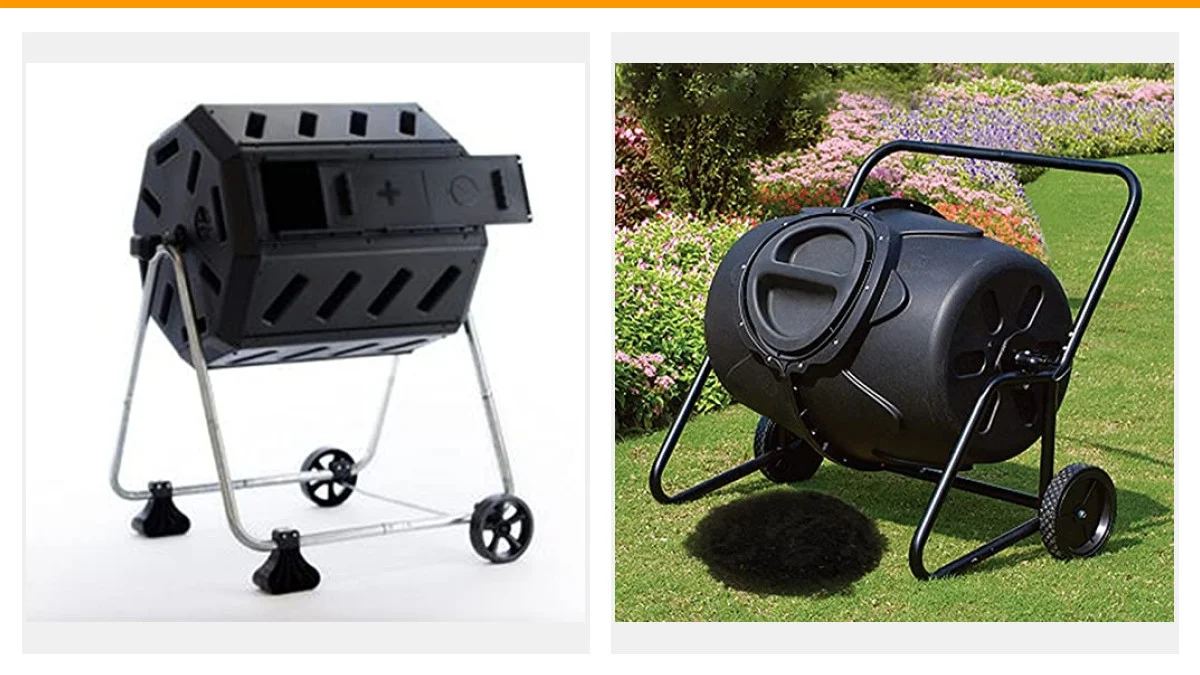
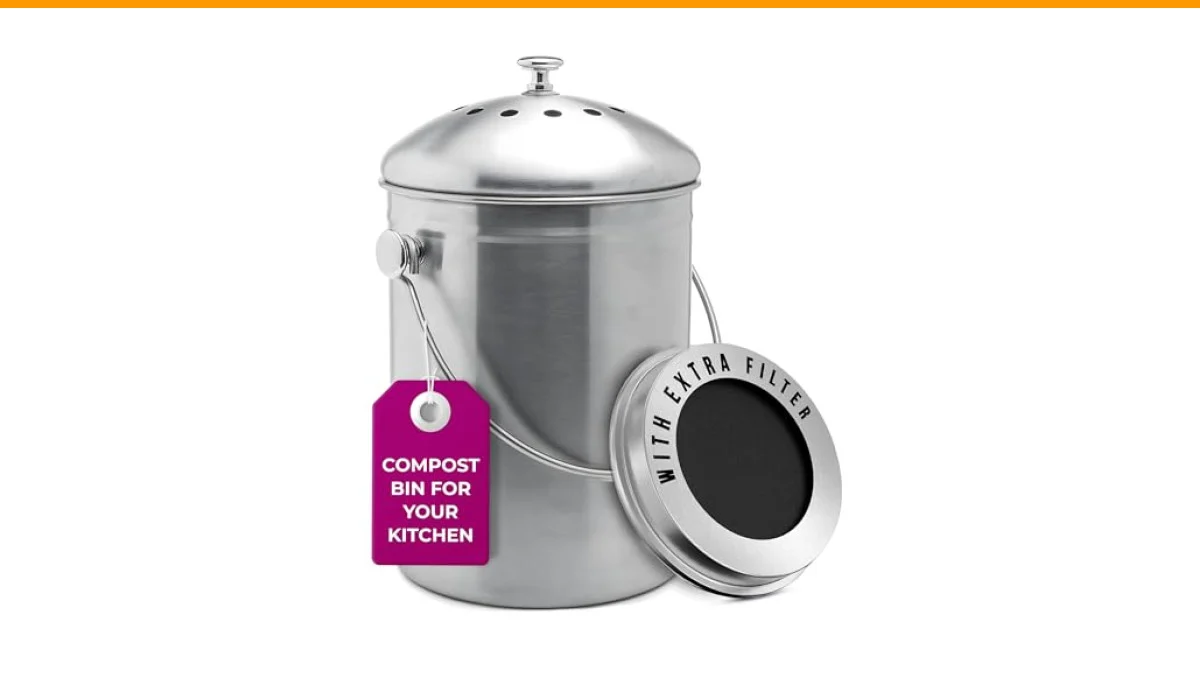
Your crew just finished a full-day cleanup. The truck bed is stacked with grass clippings, pruned branches, and enough leaves to fill a small room. Hauling that to the dump costs time, fuel, and money. But if you had a compost system that could chew through it on site, you’d turn that waste into a product your clients would pay for. That’s the difference between a yard waste bin and a piece of commercial equipment.


Landscape professionals need more than a backyard bin. They need throughput per labor hour, durability against daily loading, and a design that doesn’t wreck your back. The right unit processes hundreds of pounds of green waste weekly, breaks down material fast enough to keep up with your schedule, and survives years of sun, rain, and rough handling. Most residential bins fail that test within a season.
This roundup covers five very different composters, from a 246-gallon expandable beast for leaf-heavy operations to a countertop collector for food scraps on the go. I’ll tell you exactly who each one suits, where it falls short, and which one I’d put on a truck today. If you’re new to large-scale composting, check this compost bin guide first.
Here’s how the five finalists compare at a glance.
| Features | VIVOSUN 43 Gal | GEOBIN 246 Gal | Redmon 65 Gal | VEVOR 43 Gal | Epica 1.3 Gal |
|---|---|---|---|---|---|
| Best Use Case | Small crews, batch composting | High-volume leaf waste | Static piles, budget pick | Dual-chamber with pest seal | Food scrap collection |
| Capacity | 43 gallons (two chambers) | 246 gallons expandable | 65 gallons | 43 gallons (two chambers) | 1.3 gallons |
| Material | PP plastic, metal frame | Recycled plastic | 80% recycled plastic | BPA-free PP, steel frame | Stainless steel |
| Mixing Method | 360° tumbling | Manual turning with fork | Lift-off lid, 4 doors | 360° tumbling | None (countertop) |
| Assembly | Requires setup | Tool-free, 5 minutes | No tools needed | Requires setup | Ready to use |
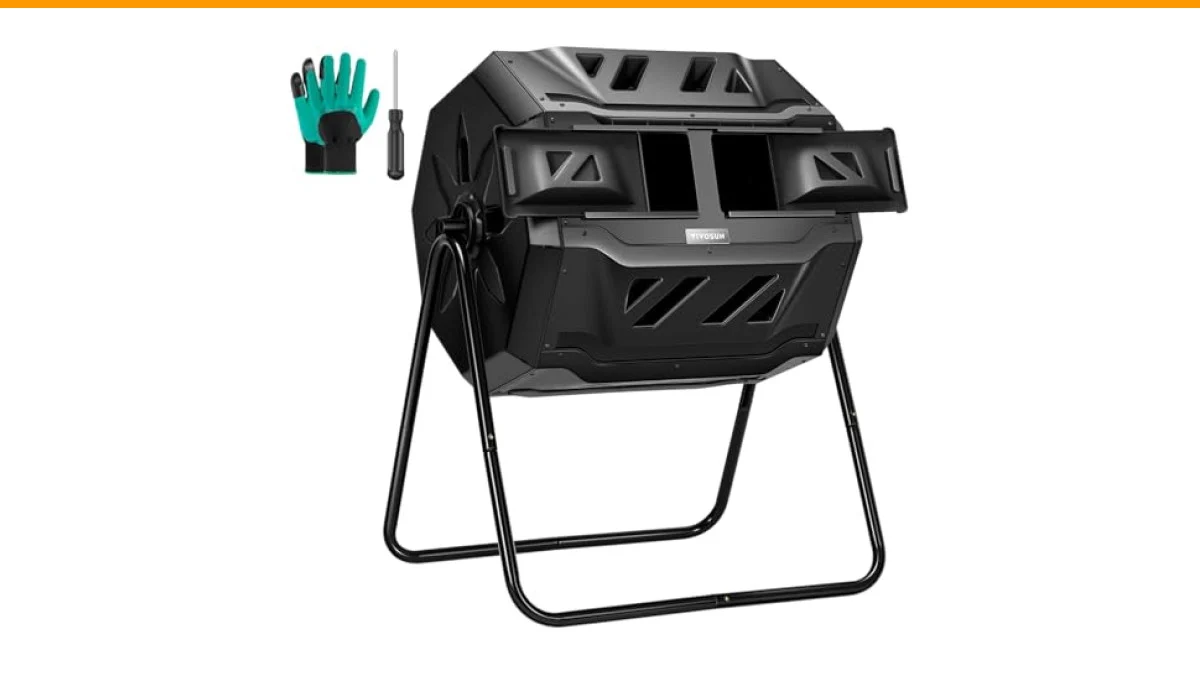
VIVOSUN Outdoor Tumbling Composter
If you run a two-person landscaping crew and generate a steady stream of grass clippings, light prunings, and client food scraps, the VIVOSUN dual-chamber tumbler fits your workflow. Its twin 43-gallon drums let you fill one side while the other finishes curing. That means you always have compost ready to spread, not a pile that’s half-done and never usable.
The 360-degree tumbling design saves your back. You don’t need to fork the pile or turn it by hand. Just spin the drum every few days. Deep fins on the interior break up clumps, and air vents keep oxygen flowing so decomposition stays aerobic. The included garden gloves and ABS claws are a thoughtful touch for on-site work, though you’ll likely use your own gloves most days.
But this isn’t a high-volume machine. 43 gallons total means about 21 gallons per chamber. A large residential lawn produces more than that in one mowing. You’ll need to manage loading carefully, shredding material before it goes in. The plastic body holds up fine for a few seasons, but the metal frame can show rust if you leave it sitting in wet grass. For a crew doing two or three properties a day, this works. For commercial-scale operations, look bigger.
- Dual chambers for continuous batch composting
- Deep internal fins break up clumps during tumbling
- Air vents promote aerobic decomposition
- Corrosion-resistant metal frame and PP plastic body
- Includes waterproof garden gloves and ABS digging claws
Best for: Small landscaping crews that want fast, low-effort compost without bending over a static pile.
GEOBIN 246 Gallon Compost Bin
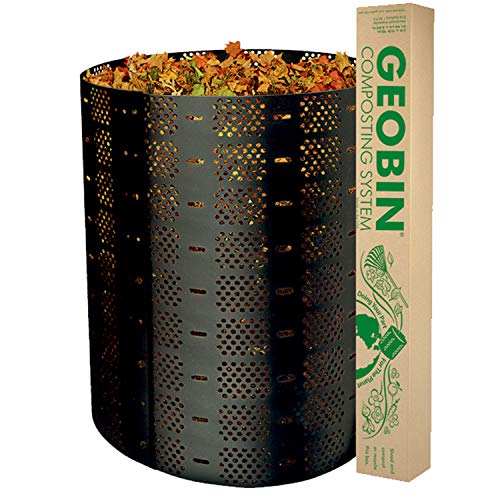
GEOBIN
Geobin Compost Bin - 246 Gallon, Expandable, Easy Assembly, Made in the USA, Outdoor & Backyard Composter
- Large capacity—expandable to 3.75 feet (237 gallon)
- Easy to assemble with closure keys. Easy to move. Easy to reassemble.
- The best value composting bin on the market.
The Geobin is the answer for landscape professionals drowning in leaves and brush. Its 246-gallon capacity is enormous, expandable up to 3.75 feet in diameter. You can dump an entire truckload of autumn leaves into this thing and still have room for more. It’s the closest thing to a commercial windrow system that you can set up in a client’s backyard without a permit.
Setup takes about five minutes with no tools. The flexible plastic panel forms a circle, and closure keys lock it in place. Moving it is just as easy, which matters when you work across multiple properties. You can relocate the bin to wherever the waste is, fill it, then leave it to compost. Excellent ventilation comes from the open top and the natural airflow through the plastic mesh, so you don’t get the anaerobic smell that plagues closed bins.
The trade-off is that this is a static pile system. You turn it with a fork or pitchfork, which is real labor. For a crew already exhausted from a day of hauling, that extra step often gets skipped. The result is slower decomposition, especially if you don’t maintain the right carbon-to-nitrogen ratio. It’s also not pest-proof; rodents can squeeze through the mesh if you load food scraps. Stick to yard waste and you’ll be fine.
- 246-gallon capacity, expandable to 3.75 feet
- Tool-free assembly with closure keys
- Easy to move and reassemble on different job sites
- Excellent ventilation for aerobic decomposition
- Made in the USA from recycled plastic
Best for: Landscapers who handle massive seasonal leaf drop and have the labor to turn a static pile.
Redmon 65 Gallon Outdoor Compost Bin

REDMON Since 1883
Redmon Outdoor Compost Bin with Lift Off Lid, 65 Gallon, Black | 4 Door Access Composting Bin Container for Kitchen Food Waste Recycling
- Outdoor Composting Bin: Compost bin container properly vents organic materials to allow rapid and proper composting of waste provi…
- Made with Quality Materials: Constructed using 80 percent recycled materials and designed to withstand weather and outdoor conditi…
- Convenient Extra Features: Has a lift-off lid and 4-door access providing easy access to fully composted material making your comp…
Redmon’s 65-gallon bin is the budget workhorse for sole proprietors and small crews who want something simple that won’t fall apart. It’s a static bin with a lift-off lid and four access doors at the bottom. You load from the top, let the pile cook, then pull finished compost out through the doors. That design means you don’t have to lift a heavy drum or spin a full chamber.
The construction uses 80 percent recycled materials, which is a selling point for clients who care about sustainability. It’s built to withstand weather, and the black plastic absorbs heat well, speeding up decomposition in cooler months. Assembly requires no tools, so you can set it up on site in minutes. For a landscaper who wants to compost leaves and grass at a client’s property without investing in a high-end system, this gets the job done.
But it’s not built for heavy daily use. The plastic is thin compared to commercial-grade units, and the lid can warp under extreme heat. The 65-gallon capacity is modest; you’ll fill it in one afternoon of pruning. And because it’s static, you need to turn the pile manually with a fork. That’s fine for a weekend gardener, but a professional crew might find it too slow. If you’re considering this as a starter unit, pair it with a no-turn compost method to cut labor.
- 65-gallon capacity with lift-off lid
- Four access doors for easy compost removal
- Made from 80% recycled materials
- No-tool assembly, measures 26 x 26 x 30.75 inches
- Weather-resistant plastic for outdoor use
Best for: Budget-conscious landscapers who need a simple, low-cost bin for small to medium properties.
VEVOR 43 Gallon Dual Chamber Composter

VEVOR
VEVOR Compost Bin 43 Gallon Dual Chamber Compost Tumbler 110 lbs Capacity | for Families and Gardeners, with 360° Tumbling, Sliding Door, Air Vents, PP Body and Metal Frame for 4-6 Week Composting
- Dual Chamber, High Capacity: Our compost bin features a dual chamber with a generous capacity of 43 gallons. Perfect for large fam…
- Convenient Access: The dual-chamber composter tumbler features a detachable sliding door with a large opening, making it effortles…
- Built to Last: Crafted from high-quality PP materials and supported by sturdy metal components, our compost bin outdoor boasts a r…
VEVOR’s dual-chamber tumbler is a direct competitor to the VIVOSUN, but it packs a few upgrades that matter for pros. The sliding doors are larger, making it easier to load bulky material and scoop out finished compost. The seal around the doors is tighter, which keeps out mice and insects. On a job site, that’s a real advantage if you’re composting food scraps from a client’s kitchen.
The build quality feels sturdier. It uses BPA-free polypropylene plastic and a steel frame that handles up to 110 pounds of material. The 360-degree tumbling action mixes everything thoroughly, and internal grooves break up clumps. Vents are placed strategically to promote airflow without letting rain in. VEVOR claims compost in four to six weeks, which is realistic if you maintain the right moisture and C:N ratio.
The downside is size again. 43 gallons split across two chambers means you’re producing small batches. For a landscape professional doing weekly maintenance on several properties, you’ll need multiple units or a bigger system. The steel frame is sturdy but heavy; moving it around a yard is a two-person job. And the plastic can fade and become brittle after a few years of intense UV exposure, so plan to replace it eventually.
- Dual 43-gallon chambers for continuous composting
- Sliding doors with secure pest-resistant seal
- Steel frame supports up to 110 lbs of material
- BPA-free, UV-resistant, weatherproof construction
- Internal grooves and vents for aeration and clump breaking
Best for: Crews that want a sturdy, pest-proof tumbler for small batch composting on residential sites.
Epica Kitchen Compost Bin
This one is different. The Epica countertop bin isn’t for yard waste; it’s for collecting food scraps before they go to the compost pile. Landscape professionals who also maintain edible gardens or work with clients who compost will find this invaluable. You can keep it in the truck or the client’s kitchen to collect vegetable peels, coffee grounds, and eggshells without making a mess or attracting flies.
The stainless steel body resists rust and scratches, and the one-piece molded design means no leaks. The airtight lid holds a replaceable activated-charcoal filter that neutralizes odors, so you can keep it on a countertop for days without smell. It’s compact, about 7 inches wide and 11 inches tall, yet holds enough scraps for a family of four. Empty it into your main compost bin once or twice a week.
There are limitations. It’s not for outdoor use, and it won’t handle branches or grass. The charcoal filter needs replacing every three to six months, which is a recurring cost. And because it’s small, you can’t just dump a whole kitchen prep session into it at once. But as a collection tool that feeds your larger compost operation, it’s a smart addition. For professionals who also do vermicomposting, this is a perfect pre-stage.
- 1.3-gallon capacity, compact countertop footprint
- Airtight lid with replaceable activated-charcoal filter
- One-piece molded stainless steel resists rust and leaks
- Easy to hand-wash, filters last 3-6 months
- Featured in Bon Appetit and Forbes for design
Best for: Landscape pros who collect kitchen scraps for their own compost piles or client compost systems.
How We Chose These Products
I evaluated each bin against the real demands of landscape work, not just backyard gardening. That means looking at throughput per labor hour. A bin that requires constant manual turning might be fine for a homeowner, but it’s a dealbreaker for a crew that needs to finish a job and move on. I prioritized designs that reduce physical effort and speed up decomposition.
Durability also factored heavily. Commercial use means daily loading, exposure to UV, rain, and temperature swings. I looked at materials, frame construction, and warranty claims. I also considered ergonomics, like loading height and door access, because a bin that forces you to bend awkwardly will cause injuries over time. Finally, I weighed cost per cubic yard over a five-year period, not just the sticker price.
Buying Guide: What Really Matters
Throughput is the first thing to calculate. Estimate how many pounds of green waste you generate per week. A 43-gallon tumbler might handle 50 to 75 pounds. A 246-gallon static bin can take 200 pounds or more, but requires more turning labor. Match the bin to your waste volume, not the other way around.
Consider your labor model. If you have a crew that can spend 15 minutes turning a pile, a static bin works. If you’re solo, a tumbler saves your back but limits capacity. Look at loading height too. Tumblers sit on frames that are usually waist-high, which is good. Static bins require bending to the ground. For professionals, that’s a long-term injury risk.
Check local regulations. Some municipalities offer landfill diversion credits for commercial composting. Others have ordinances about odor and pests. A sealed tumbler like the VEVOR might help you comply, while an open Geobin might not. Also, think about replacement parts. A bin with a steel frame and replaceable doors is easier to fix than a one-piece plastic unit. Read the warranty terms carefully, and see if the manufacturer sells parts separately.
Our Top Recommendation
For most landscape professionals, the VIVOSUN Outdoor Tumbling Composter is the best balance of capacity, ease, and durability. Its dual-chamber design lets you keep producing compost continuously, and the tumbling action eliminates the worst part of composting: manual turning. It’s not the biggest unit, but for a small to mid-size crew, it processes enough waste to make a difference.
If your operation is leaf-heavy and you have the labor to turn piles, the Geobin offers unbeatable capacity for the price. If you want a pest-proof tumbler with better seals and a sturdier frame, the VEVOR is a solid alternative. And for solo operators on a tight budget, the Redmon is a dependable starter. Whichever you pick, treat it as equipment, not an accessory, and it will pay for itself in avoided disposal fees.
Frequently Asked Questions
How much green waste can a 43-gallon tumbler process in a week? Realistically, you can load one chamber with about 20 to 30 pounds of mixed material every few days. That translates to 40 to 60 pounds per week if you alternate chambers. For larger volumes, you’d need multiple units or a static bin.
Can I compost woody prunings in a tumbler? Yes, but only if you chip or shred them first. Branches larger than a pencil won’t break down in a tumbler. Run them through a chipper, mix with grass clippings, and you’ll get good results.
Do I need to add compost accelerator or activator? Not if you maintain the right carbon-to-nitrogen ratio. Grass clippings are high in nitrogen; leaves and cardboard are high in carbon. Aim for about two parts brown to one part green by volume. If the pile smells like ammonia, add more browns.
How do I keep pests out of a static compost pile? Avoid adding meat, dairy, or cooked food. Use a bin with a lid or a sealed tumbler if you must compost food scraps. You can also bury fresh scraps under a layer of finished compost or soil to deter rodents.