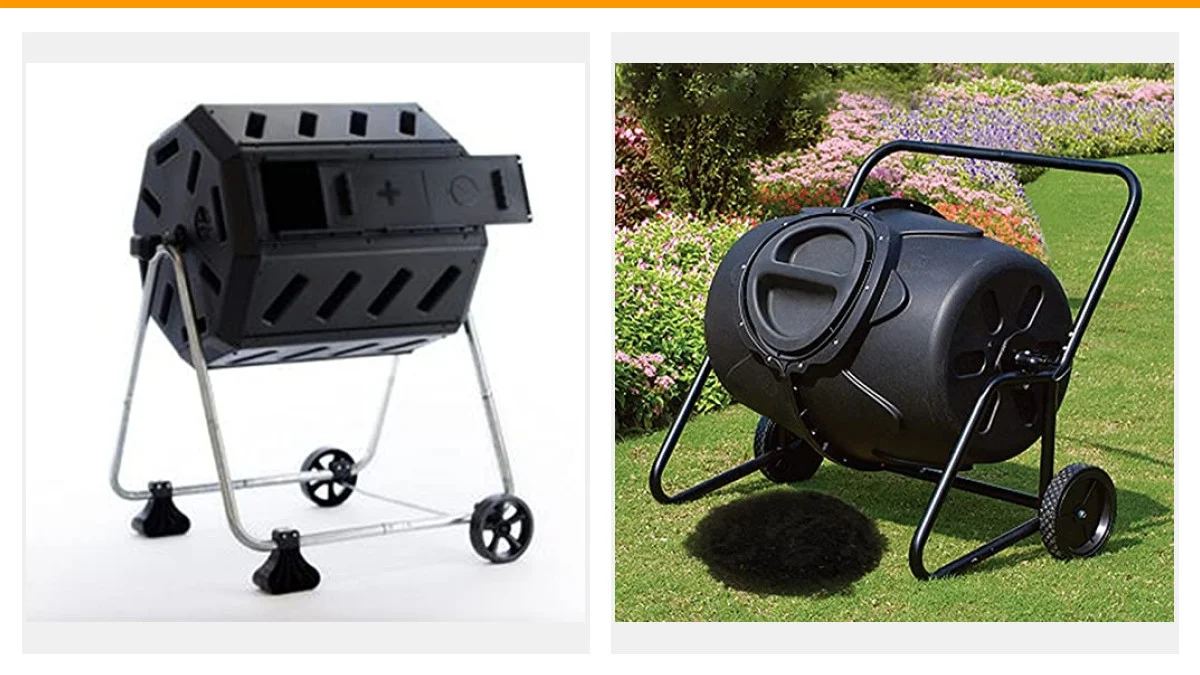
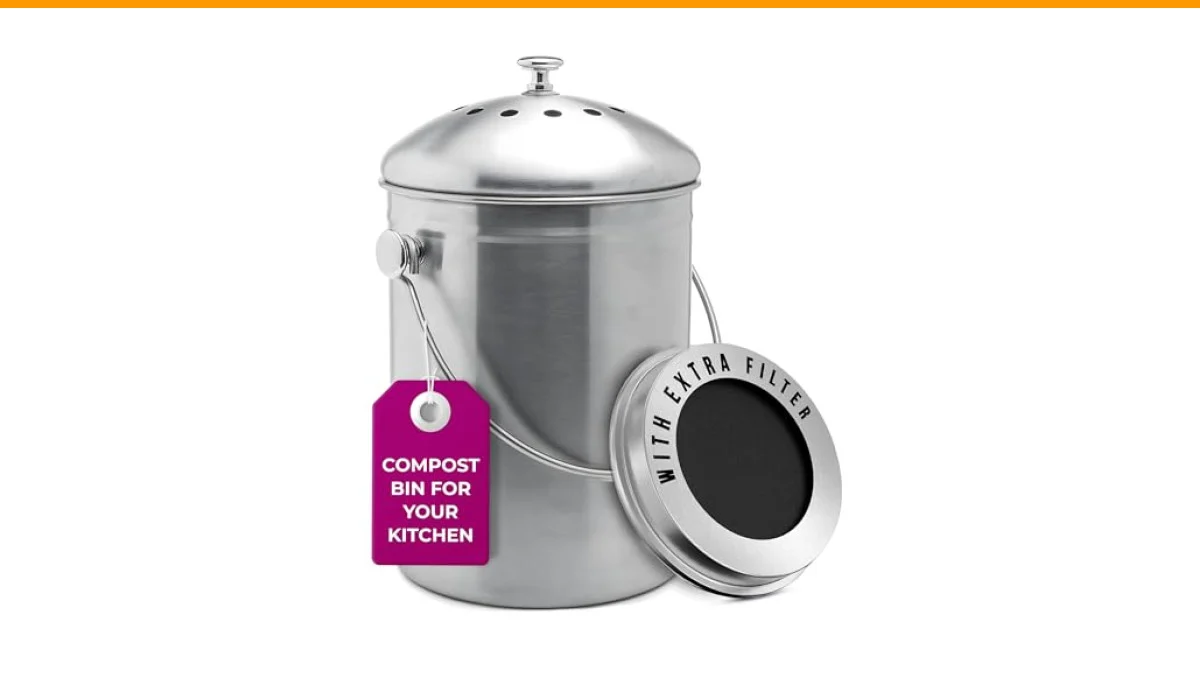
You step into your greenhouse on a warm July morning. The tomatoes look great. The basil is thriving. But the soil? It’s tired. You’ve been feeding it synthetic fertilizer all season, and it shows. The fix isn’t another bag of chemicals. It’s compost — rich, dark, crumbly compost — made right there in the space you already have.
Composting inside a greenhouse is different from backyard composting. The enclosed space traps heat and humidity, which speeds up decomposition. But it also creates challenges: odor management, pest control, and finding a bin that won’t buckle under constant moisture. The right bin handles these issues quietly, turning kitchen scraps and spent plant material into black gold without becoming a nuisance.
I’ve tested and compared five very different composters for greenhouse use. From a massive expandable bin to a compact worm farm, each one solves a specific problem. Below, you’ll find a comparison table, honest reviews, and practical advice on placement, moisture, and winter performance. My top pick for most greenhouse gardeners is the Geobin — it’s versatile, breathable, and handles the heat. But read on, because your setup might call for something else.
Here is a quick look at how the five contenders stack up against each other:
| Features | Geobin | VIVOSUN Tumbler | Wenceda In-Ground | MyLifeUNIT Bags | MinrzPet In-Ground |
|---|---|---|---|---|---|
| Material & Build | Flexible plastic mesh | Metal frame, PP body | Metal mesh & PP mats | Heavy-duty fabric | Black metal with lid |
| Key Specification | 246-gallon capacity | 43-gallon, dual chamber | Four 9x9x5.9 inch bins | 34 gallons per bag | Four bins with lids |
| Main Feature | Expandable, easy setup | 360° tumbling action | Worm access, breathable | Portable, two openings | Partially buried design |
| Performance | Excellent ventilation | Fast batch composting | Slow, passive composting | Moderate aeration | Slow, natural breakdown |
| Best Use Case | Large greenhouses | Active gardeners | Raised beds & borders | Small spaces, storage | Perimeter soil feeding |
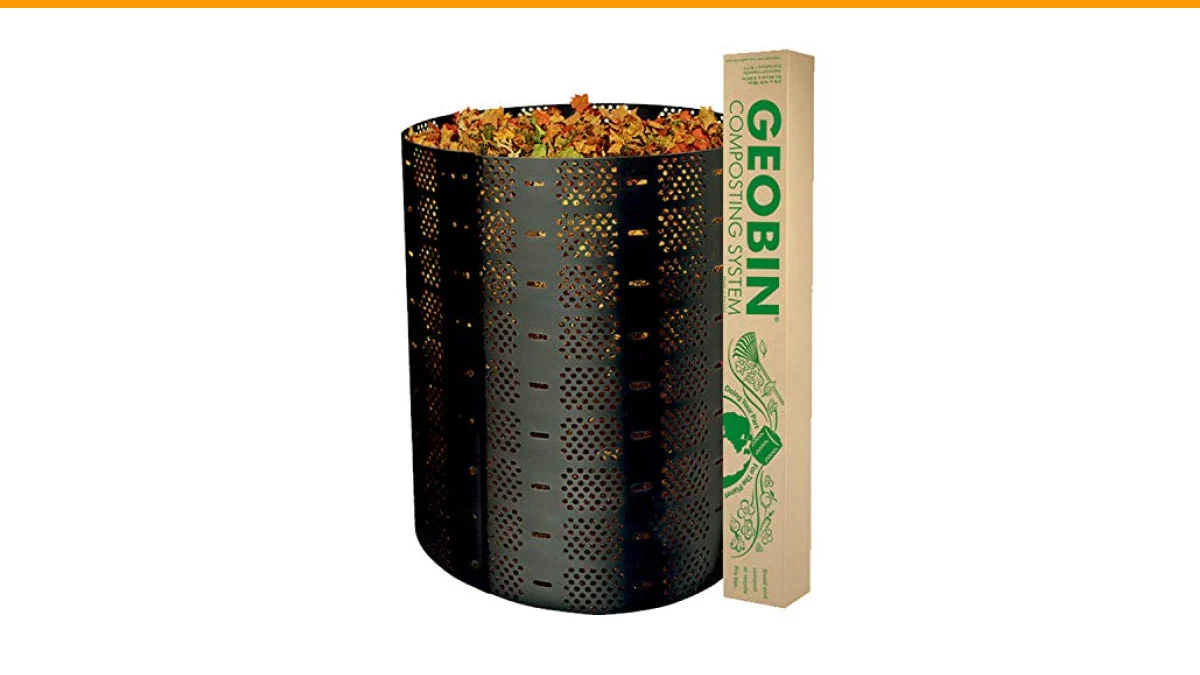
Geobin Compost Bin
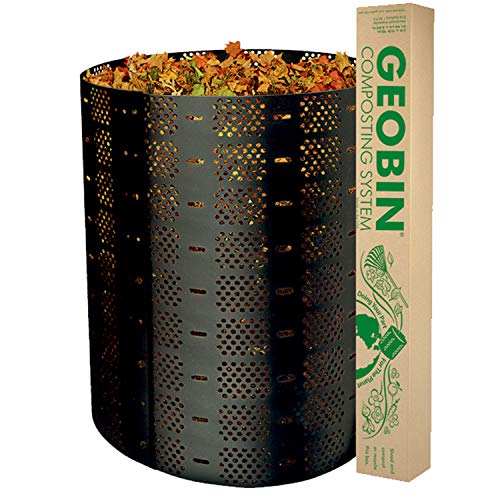
GEOBIN
Geobin Compost Bin - 246 Gallon, Expandable, Easy Assembly, Made in the USA, Outdoor & Backyard Composter
- Large capacity—expandable to 3.75 feet (237 gallon)
- Easy to assemble with closure keys. Easy to move. Easy to reassemble.
- The best value composting bin on the market.
The Geobin is the workhorse of this group. It’s a 246-gallon expandable cylinder made from flexible, UV-treated plastic mesh. If you have a serious greenhouse with multiple raised beds and a steady stream of plant waste, this bin handles volume that others can’t touch. It’s also the best value per gallon of capacity you’ll find.
Assembly takes about two minutes. The bin wraps around a center point, and you connect the ends with closure keys. No tools, no screws. Moving it is just as easy — pick it up, relocate it, and keep composting. The mesh walls provide exceptional airflow, which is critical in a humid greenhouse where anaerobic pockets can form quickly. You can also expand it beyond the standard 237-gallon size by adding extra panels, though the included configuration is already massive.
There are trade-offs. This is an open-top bin, so it will attract fruit flies and other pests unless you cover the surface with a layer of straw or finished compost. It also doesn’t insulate well — in an unheated winter greenhouse, the pile will slow down or freeze solid. And because it’s not enclosed, odors can escape more readily than from a sealed tumbler. You’ll manage that by balancing greens and browns carefully.
- Expandable from roughly 200 to 237+ gallons
- Assembles in minutes with closure keys
- Mesh sides promote strong airflow
- Lightweight and easy to relocate
- Made in the USA from recycled plastic
Best for: Greenhouse owners with high waste volume who want an inexpensive, flexible system and don’t mind managing an open pile.
VIVOSUN Tumbling Composter
The VIVOSUN tumbler suits the gardener who wants finished compost fast, without turning a pile by hand. Its twin 43-gallon chambers let you fill one side while the other finishes. That continuous batch system means you always have fresh compost ready to spread on greenhouse beds. The 360-degree rotation and internal fins break up clumps efficiently, so aeration happens every time you spin it.
This design shines in a greenhouse because it’s fully enclosed. Odors stay contained, pests can’t get in, and the dark plastic body absorbs heat from the sun, keeping the internal temperature high even on cooler days. The included garden gloves and ABS claws are a thoughtful bonus — you can harvest compost directly without touching it. The metal frame feels sturdy and resists rust, which matters in the humid environment of a working greenhouse.
The trade-off is capacity. At 43 gallons total (roughly 21.5 per side), it won’t handle massive amounts of waste. You’ll also need to monitor moisture closely — tumblers can dry out quickly in a hot greenhouse, and a dry pile stops decomposing. The crank mechanism requires some effort when the chamber is full, so it’s not ideal for anyone with limited upper-body strength.
- Dual chambers for continuous composting
- Deep fins break up clumps during rotation
- Air vents prevent pressure buildup
- Corrosion-resistant metal frame
- Comes with gloves and digging claws
Best for: Greenhouse gardeners who want a tidy, enclosed system with minimal effort and a steady supply of usable compost.
Wenceda In-Ground Worm Composter
The Wenceda set takes a completely different approach. It includes four metal mesh bins (9 x 9 x 5.9 inches) with plastic mesh mats and zip ties. You bury these directly in the soil of your greenhouse beds. Worms find their way in through the perforations, break down your kitchen scraps, and deposit castings right where your plants need them. It’s a closed-loop system that feeds the soil without any above-ground mess.
This is perfect for greenhouse gardeners using raised beds or direct in-ground planting. Instead of hauling compost from a distant pile, you drop scraps into the buried bin, cover it with the lid, and let nature handle the rest. The metal mesh resists rust and deformation, even in damp greenhouse conditions. The perforated design allows excellent airflow, preventing the moisture buildup that causes rot and foul smells.
There are limitations. The bins are small — you won’t process a lot of waste with just one. The set of four helps, but you’ll need to rotate between them as they fill. This is also a passive system; it takes months for material to break down fully compared to a hot pile or tumbler. And if your greenhouse soil lacks an active worm population, you’ll need to introduce some to kick-start the process.
- Four bins allow multiple composting stations
- Metal mesh resists rust and deformation
- Perforations provide airflow and worm access
- Includes 50 self-locking zip ties
- Can double as plant protection cages
Best for: Greenhouse growers who want to enrich soil directly in raised beds with minimal labor and zero above-ground footprint.
MyLifeUNIT Compost Bags
The MyLifeUNIT bags offer something none of the others do: portability. Each bag holds 34 gallons and is made from a lightweight, water-resistant, tear-resistant fabric. They’re essentially heavy-duty yard waste bags designed for composting. You can place them anywhere in your greenhouse, move them around as needed, and even use them for storing tools, toys, or laundry when they’re not processing waste.
These bags work well for greenhouse gardeners who want a simple, low-cost entry into composting. They have two openings — one at the top for adding waste, one at the bottom for harvesting finished compost. That bottom access is genuinely useful; you can pull out dark, crumbly soil without disturbing the fresher material above. The fabric allows some airflow, which keeps the pile from going completely anaerobic.
But these aren’t heavy-duty composters. The fabric won’t retain heat like a plastic bin, so decomposition is slower, especially in cooler months. The self-adhesive strips at the bottom opening need careful handling — if compost touches them, they lose their stickiness. You’ll also need to be diligent about mixing and moisture, as the bags can become soggy if you add too many wet kitchen scraps without enough dry browns.
- 34-gallon capacity per bag, sold in a 2-pack
- Top and bottom openings for easy access
- Water-resistant and tear-resistant fabric
- Lightweight and easy to move
- Versatile — also works for storage
Best for: Budget-conscious greenhouse gardeners who need a flexible, movable composting solution and don’t require fast decomposition.
MinrzPet In-Ground Compost Bin
The MinrzPet set is similar to the Wenceda option but with a few key differences. You get four black metal bins, each with a sturdy lid. The design calls for partial burial in the soil, creating a contained space where worms can move freely and help loosen the surrounding earth. The lids keep rain and pests out while still allowing airflow through the perforated metal.
This system excels in greenhouse borders and perimeter planting areas. You can place these bins along the edges of your greenhouse where you’re growing flowers, herbs, or perennial vegetables. The black metal absorbs heat from the sun, which can help keep the composting process active even when ambient temperatures drop. Each bin is simple to open — just lift the lid, add scraps, and close it again.
The downsides mirror the Wenceda set. Capacity is limited, so this won’t handle high-volume waste. The metal edges can be sharp during installation, so gloves are recommended. And because the bins rely on soil organisms for breakdown, they won’t work well in a greenhouse with sterile potting mix or a concrete floor. You need actual soil beneath them.
- Four bins with matching metal lids
- Partially buried design for worm access
- Lids keep out rain and pests
- Suitable for greenhouses, raised beds, and borders
- No power required — fully passive
Best for: Greenhouse gardeners with in-ground beds who want a discreet, hands-off way to recycle kitchen waste into soil health.
How We Chose These Products
I evaluated each bin against the specific demands of a greenhouse environment. That means I prioritized heat tolerance, humidity resistance, and odor control over general backyard performance. A bin that works great outdoors in the open air can become a smelly, moldy mess inside a sealed greenhouse.
I also considered capacity relative to greenhouse size. A small hobby greenhouse doesn’t need 200 gallons of composting space. A commercial operation does. I matched each product to a realistic user profile, looking at how much waste a typical gardener produces and how quickly they need usable compost. Durability mattered too — greenhouse conditions are harsh, with constant moisture and temperature swings.
Buying Guide: What Really Matters
Size is the first thing to get right. A good rule of thumb is one cubic foot of bin capacity for every 10 square feet of greenhouse growing space. A 10×10 greenhouse (100 square feet) needs roughly 10 cubic feet of capacity, which is about 75 gallons. The Geobin at 246 gallons is overkill for that space. The VIVOSUN at 43 gallons might be just right. Match the bin to your actual waste production, not your enthusiasm.
Material matters in a greenhouse. Plastic bins can become brittle with UV exposure over time. Metal bins resist UV but can rust in high humidity. Fabric bags breathe well but don’t insulate. Look for bins with good airflow — perforations, mesh, or vents — because stagnant air in a greenhouse accelerates mold growth. A bin with poor ventilation will turn your compost pile into a slimy, foul-smelling mess.
Think about access. Can you harvest finished compost without digging through fresh waste? The MyLifeUNIT bags have a bottom opening. The VIVOSUN has two separate chambers. The Geobin requires you to lift the whole thing or reach in from the top. Your back will thank you if you choose a bin that makes harvesting easy.
Our Top Recommendation
The Geobin is my overall pick for most greenhouse setups. Its massive capacity handles the volume of plant waste a productive greenhouse generates, and the mesh sides provide the aeration that prevents odor and mold in enclosed spaces. It’s also the most forgiving bin here — you can add material continuously, and the open design makes it easy to turn with a pitchfork.
If you have a smaller greenhouse or want faster results, the VIVOSUN tumbler is the runner-up. It’s enclosed, tidy, and produces batch compost in weeks rather than months. For greenhouse gardeners focused on soil health in raised beds, the Wenceda in-ground set offers a unique direct-feeding approach. And on a tight budget, the MyLifeUNIT bags get you started for very little money.
For more targeted guidance, check out our dual-chamber compost guide or the fast-composting tumbler review for deeper dives into those specific styles.
Frequently Asked Questions
Can I compost inside a greenhouse year-round in cold climates? Yes, but you’ll need to manage temperature. An unheated greenhouse will drop below freezing in winter, which halts microbial activity. Use a black bin like the VIVOSUN to absorb solar heat, or add a compost accelerator to keep the pile working. In-ground bins like the Wenceda and MinrzPet benefit from the insulating properties of the surrounding soil, which stays warmer than the air.
How do I prevent mold in a high-humidity greenhouse? Mold thrives on excess moisture and poor airflow. The solution is balance — add dry, carbon-rich browns (straw, shredded paper, dead leaves) whenever you add wet kitchen scraps. Ensure your bin has ventilation holes or mesh sides. If you’re using an enclosed tumbler, crack the vents open. Don’t let the pile get soggy; it should feel like a wrung-out sponge.
What’s the ideal location for a compost bin inside a greenhouse? Place it away from doors and vents to avoid attracting pests into the main growing area. A corner near the back wall works well, but avoid direct contact with greenhouse glazing — the heat can degrade plastic bins. If you’re using an in-ground bin, position it near plants that need regular feeding, so the nutrients go exactly where you want them.
How much finished compost should I add to greenhouse beds? For established raised beds, mix in a 1- to 2-inch layer of finished compost at the start of each growing season. For potting mixes, use a ratio of one part compost to three parts potting soil — more than that can retain too much water and suffocate roots. Compost tea is another option; steep a shovelful of finished compost in a bucket of water for 24 hours, then strain and apply to foliage or soil.
For more on using compost to boost soil fertility, check this nutrient-rich compost guide.
Final Verdict: Which Bin Wins for Your Setup?
There’s no single perfect compost bin for every greenhouse. The right choice depends on your space, your waste volume, and how hands-on you want to be. The Geobin wins for versatility and sheer capacity. The VIVOSUN wins for convenience and speed. The in-ground options from Wenceda and MinrzPet win for soil integration and low maintenance. The MyLifeUNIT bags win for budget and flexibility.
Start by measuring your greenhouse and estimating your weekly waste. Then pick the bin that fits that reality. Whatever you choose, the payoff is the same — healthier plants, richer soil, and a genuine closed-loop system that turns yesterday’s harvest into today’s growth.