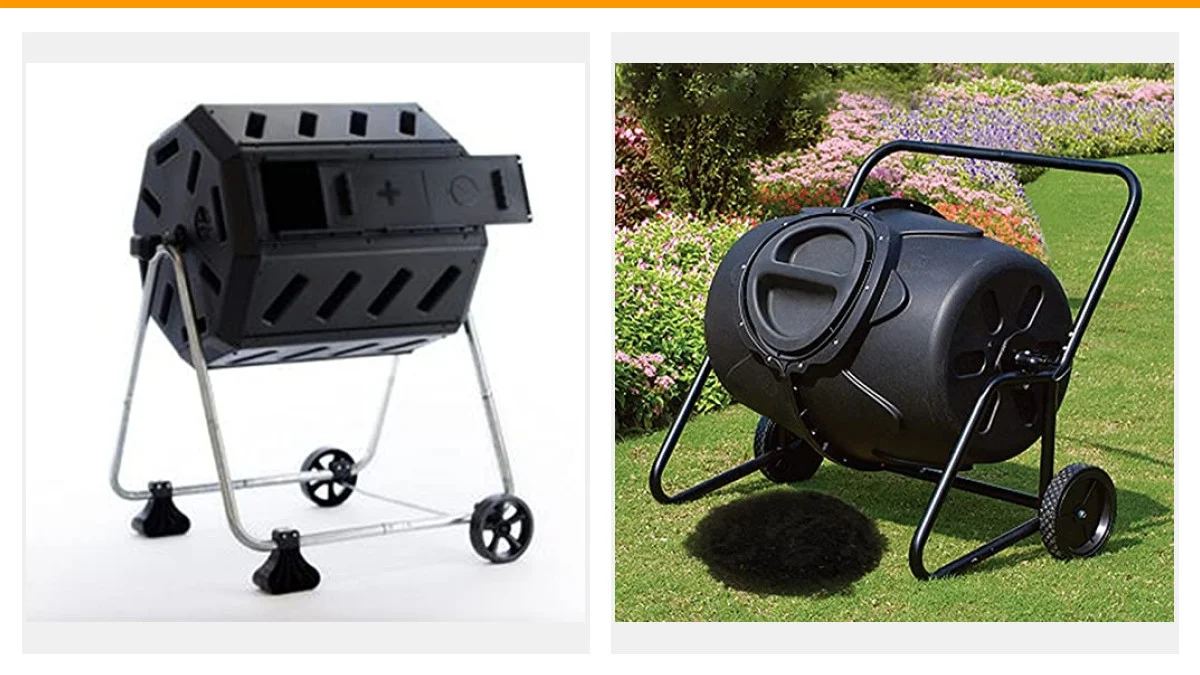
You can see the problem from your kitchen window. That plastic bin in the corner of the yard is full, heavy, and a pain to turn. It takes six months to break down, and getting the finished compost out requires a pitchfork and a strong back. Meanwhile, your raised beds are hungry for organic matter, and you’re buying bagged soil amendments at the garden center.


There is a better way to close that loop. The best compost bin for garden beds isn’t just a container; it’s a feeding system that works with your plants’ roots. In-ground bins and worm composters put the decomposition process right where your soil needs it, eliminating the chore of hauling compost across the yard. Tumblers still have a place for bed-side processing, but they serve a different purpose than a buried unit.
We tested five distinct approaches to this problem, from a budget-friendly 2-pack of plastic worm farms to a heavy-duty steel tower set. Each one solves a specific problem, whether that is continuous feeding, cold-weather survival, or simply keeping smells away from the house. After months of burying, filling, and harvesting, here is the shortlist of bins we actually recommend.
Here is a quick look at how the top specs compare side by side.
| Features | TOP XIAN 2-Pack | HTtoy Metal 2-Pack | TOP XIAN 4-Pack | VIVOSUN Tumbler |
|---|---|---|---|---|
| Material | Sturdy PP plastic | Rust-resistant stainless metal | Sturdy PP plastic | Metal frame, PP body |
| Capacity | 8L per bin | Compact, two sizes | 8L per bin | 43 gallons total |
| Installation | Bury in soil | Bury in soil | Bury in soil | Stand above ground |
| Core Feature | Continuous vermicomposting | 360-degree ventilation | 4-bin rotation system | Dual tumbling chambers |
| Best Use Case | Small raised beds | Moist soil conditions | Multiple garden spots | Bed-side waste processing |

TOP XIAN 2-Pack Inground
The one you buy to get started without overthinking it.
This is the entry point that makes sense for most home gardeners. The TOP XIAN 2-pack includes two green PP plastic buckets, each holding 8 liters. You dig a hole, sink the bin so the lid sits at soil level, and drop your kitchen scraps inside. The 360-degree ventilation holes keep air moving, and the removable lid locks in odors.
The real advantage here is the dual-bin system. You fill one bucket for a couple of months while the worms work through the other. By the time the first bin is finished, you rotate and start the cycle again. That continuous workflow means you never have a gap where you are dumping scraps in a dormant pile.
It’s not perfect. The plastic is lightweight, so it can flex if you step on it. And at 8 liters, each bin is small; a family of four might fill it in a week. But if you have a modest vegetable patch or a few raised beds, this is a low-cost way to test whether vermicomposting fits your routine.
- Two bins included for alternating use
- 8L capacity per unit (10.8 x 9.5 x 9.5 inches)
- No assembly required; bury and fill
- Ventilation holes on all sides for airflow
- Worms are not included in the package
Best for: Beginners with small garden beds who want a cheap, simple introduction to worm composting.
Metal In-Ground Worm Composter
The one that shrugs off wet soil and rough handling.
If you have heavy clay or constantly damp beds, plastic bins can crack or warp over time. The HTtoy metal composter sidesteps that issue entirely. This 2-pack uses stainless steel wire construction that resists rust and corrosion, even when buried in moist conditions. Each set includes two different sizes (11.8 x 3.74 inches and 12.2 x 4.25 inches) so you can fit them into tighter spots or deeper beds.
The open metal mesh design does something clever: it allows worms to pass through the walls freely while keeping larger scraps contained. That means the worms are not just feeding in the bin; they are moving out into the surrounding soil, aerating it and leaving castings behind. The included gardening gloves are a small bonus, but they are actually useful for handling wet scraps.
This design has a trade-off. Because the metal is mesh-like, it does not retain heat as well as a solid plastic bucket in cold weather. You will also need to monitor moisture levels more carefully, as the open structure can dry out faster in summer. Still, for gardeners who prioritize durability over insulation, this is the more rugged option.
- Two metal bins with matching lids
- Stainless steel resists rust in wet soil
- Open mesh allows worm movement into beds
- Comes with one pair of rubber gardening gloves
- No power or complex tools needed for setup
Best for: Gardeners with perpetually moist soil who want a durable composter that doubles as a soil aerator.
TOP XIAN 4-Pack Inground
The one for spreading compost love across a larger plot.
The 4-pack version of the TOP XIAN takes the same 8L bucket design and multiplies it. You get four individual worm composters, which changes how you use them. Instead of a single feeding station, you can bury one near your tomatoes, another by the cucumbers, and keep two in rotation for fresh scraps. This distributed approach means nutrients are delivered exactly where each crop needs them.
What stands out is the workflow flexibility. With four bins, you can dedicate two to active feeding and let two rest and finish. That gives you a longer maturation period without any smell or pest issues, because the lids seal securely. The PP plastic is UV-resistant enough for outdoor use, and the 360-degree holes prevent anaerobic conditions that cause rot.
The limitation is obvious: you are buying four of the same small bucket. If you have a single large garden bed, four separate bins might feel redundant. And you will need to buy worms separately, which adds an upfront cost. But for anyone managing multiple raised beds or a community plot, this pack saves money compared to buying singles.
- Four 8L bins for multi-location placement
- Same durable PP construction as the 2-pack
- Ideal for crop rotation across different beds
- Lids and ventilation prevent odor buildup
- Earthworms must be purchased separately
Best for: Gardeners with several distinct planting areas who want to feed each bed individually.
VIVOSUN Outdoor Tumbling Composter

VIVOSUN
VIVOSUN Outdoor Tumbling Composter Dual Rotating Batch Compost Bin, 43 Gallon Black Door
- Twin chambers: Two separate chambers allow one side to finish composting while leaving the other side available to add fresh waste…
- 360⁰ Tumbling Design: The rotating design prevents you from digging or mixing the pile by hand; And the deep fins on eight panels…
- Excellent Aeration: Air vents can make the air fully circulate and will not cause an explosion due to excessive internal pressure;…
The one for processing bulk waste fast, right next to your beds.
Sometimes you don’t want to dig holes. The VIVOSUN tumbler is a 43-gallon, dual-chamber unit that sits above ground on a metal frame. You load one side with kitchen scraps and garden waste, spin it every few days, and let the tumbling action aerate the pile. The second chamber lets you start fresh loads while the first side finishes curing.
The engineering here is solid. Deep fins on the interior panels break up clumps as you rotate, and the air vents prevent pressure buildup. The metal frame holds the drum steady even when full, and the ABS plastic claws included for digging are a nice touch. This is the fastest way to get finished compost, often in 4-6 weeks during warm weather, because you control the turning schedule.
But it is not an in-bed system. The finished compost still needs to be moved from the drum to your garden beds. That requires a wheelbarrow and some effort. Also, the 43-gallon capacity is heavy when full; rotating it takes a bit of muscle. If your goal is purely no-dig, no-lift gardening, this tumbler adds a step rather than removing one.
- Dual 21.5-gallon chambers for continuous use
- 360-degree rotation with deep mixing fins
- Air vents prevent gas buildup
- Corrosion-resistant metal frame
- Includes gloves and ABS plastic digging claws
Best for: Gardeners who generate large volumes of waste and prefer above-ground processing with fast results.
TOP XIAN 4-Pack Worm Farm
The one that gives you redundancy for a busy season.
This is nearly identical to the previous TOP XIAN 4-pack, but it is marketed specifically as a worm farm for beginners. The key difference in practice is the emphasis on vermicomposting education. Each 8L bin is designed to be a habitable space for composting worms, with proper ventilation and drainage to keep the bedding healthy.
Having four bins gives you a buffer. If one bin gets too wet or too dry, you can move the worms to a fresh bin while you correct the conditions in the original. That flexibility is valuable for new composters who are still learning the balance of greens and browns. The bins are also easy to lift and empty when it is time to harvest the castings.
The downside is repetition. If you already own the 2-pack, this is just more of the same. And the 8L size means you will be harvesting relatively small amounts of compost each cycle. For a serious kitchen producing daily scraps, you might need to empty these weekly. Consider it a training tool that scales with your confidence.
- Four bins for fail-safe worm management
- 8L capacity each with full ventilation
- Designed for easy harvesting and cleaning
- Beginner-friendly setup with no tools
- Worms not included; order separately
Best for: Novice vermicomposters who want multiple bins to practice on without a large upfront investment.
How We Chose These Products
We evaluated bins based on how they integrate with garden beds, not just how they contain waste. The primary criteria were installation method, material durability, and the quality of the finished compost. In-ground bins had to be easy to bury and safe for surrounding plant roots. Tumblers had to be sturdy enough for regular rotation without wobbling.
We also considered the maintenance burden. A bin that requires constant monitoring of moisture and aeration is less useful than one that self-regulates. We favored products with clear ventilation systems and removable lids for easy access. Finally, we weighed the cost per bin against the expected lifespan, especially for plastic versus metal options.
Buying Guide: What Really Matters
Depth is the first thing to check. If you have a raised bed that is only 12 inches tall, a tall worm tower will poke through the bottom and disturb the root zone. Measure your bed height and choose a bin that fits entirely within the soil profile, leaving at least 2 inches of soil above the lid for planting. For in-ground beds, dig down 12-18 inches to accommodate standard 8-10 inch bins.
Material matters more than you might think. Thin plastic bins crack in freezing temperatures. Thick PP plastic or stainless steel handles the freeze-thaw cycle better. If you live in a cold climate, look for bins with solid walls that retain some heat, or plan to insulate them with straw in late fall.
Consider how you will manage nitrogen drawdown. Unfinished compost from in-bed bins can temporarily tie up soil nitrogen as it decomposes. To avoid this, bury the bin at least 6 inches away from young plant roots, and mix a handful of blood meal into the soil around the bin if you are applying unfinished material in spring.
Our Top Recommendation
The TOP XIAN 2-Pack Inground Worm Composter takes the top spot for most gardeners. It hits the sweet spot of price, simplicity, and effectiveness. The dual-bin system gives you a continuous composting cycle without requiring a massive time commitment. It is small enough to fit in a 10-inch deep raised bed, yet the 8L capacity is adequate for a couple of people’s daily scraps.
If you have heavy clay soil or want something that will last a decade, the HTtoy Metal 2-Pack is the better runner-up. It resists rust and allows worms to travel freely into your beds. For gardeners processing large volumes of waste above ground, the VIVOSUN Tumbler is a solid alternative, though it requires manual effort to move finished compost to the beds.
For those on a tight budget or new to composting, the TOP XIAN 4-Pack offers the best value per bin. It gives you room to make mistakes and learn without ruining your only composter.
Frequently Asked Questions
Can I bury these bins directly in an active vegetable bed without harming roots?
Yes, but keep the bin at least 6 inches away from the stems of established plants. The decomposition process generates heat, which can stress delicate roots if placed too close. For new transplants, wait until they are established before adding a fresh load of scraps.
How do I keep the in-ground bin active during winter freezes?
Insulate the top with a thick layer of straw or leaves after the ground freezes. The worms will move deeper into the soil below the bin to survive, and they will return to the scraps when temperatures rise. Do not add wet kitchen waste in deep winter, as it will freeze solid and slow the process.
What is the correct carbon-to-nitrogen ratio for these small bins?
Aim for about 2 parts browns (dry leaves, shredded paper) to 1 part greens (kitchen scraps) by volume. In a small 8L bin, that means adding a handful of shredded paper with every layer of food waste. This prevents the pile from becoming a smelly, anaerobic mess.
How do I harvest compost from an in-ground bin without digging up the whole unit?
Lift the lid and stop adding new waste for two weeks. The worms will migrate to the bottom of the bin. Then, scoop out the top layer of finished compost, leaving the lower portion with the worms intact. Add fresh bedding and start feeding again.
The Verdict: Which Bin Should You Buy?
Start with the TOP XIAN 2-pack if you want proof that in-bed composting works. It is cheap, forgiving, and easy to relocate if you change your garden layout. The dual-bin rhythm becomes second nature after a month.
Upgrade to the metal HTtoy set if your soil is wet or you want a permanent installation that will not degrade. Skip the tumblers unless you have a specific need to process large volumes quickly, because they do not feed your soil directly.
Whichever you choose, the goal is the same: turn your kitchen scraps into a living soil amendment right where your plants grow. For more detailed comparisons of other styles, check out our garden soil composter guide and our dual-chamber composter review for larger setups.