You have spent months shaping that juniper. The wiring is perfect, the canopy is full. Then comes repotting day, and everything changes. You wrestle the tree from its pot, only to find a dense, tangled mass of roots. You reach for a standard garden fork, but its thick tines tear through the delicate feeder roots like a bulldozer. It feels less like surgery and more like demolition.


Bonsai work demands a different kind of tool. The right hand fork acts as an extension of your fingers, letting you tease apart compacted soil and untangle root balls without causing collateral damage. The key differences are tine sharpness, head width, and overall weight. A narrow profile reaches into tight spaces between roots, while a sharp point penetrates hard-packed akadama or pumice without excessive force.
This guide compares five hand forks suited to bonsai care. We looked at the DeWit Bonsai fork for its Japanese-inspired design, the sturdy Eadwiella for general tasks, the Haliaeetus for tough soil, the Berry&Bird for its ergonomic ash handle, and the Happyyami for tight-space work. Each one serves a different role in the potting shed.
Here is a quick look at how the key specs stack up against each other.
| Features | DeWit Bonsai | Eadwiella | Haliaeetus | Berry&Bird | Happyyami |
|---|---|---|---|---|---|
| Material | Tempered steel | Stainless steel | Thick stainless steel | Stainless steel | Stainless steel |
| Total Length | 6.5 inches | 12 inches | 12.3 inches | Not specified | Not specified |
| Handle Material | Ash wood | Ash hardwood | Wood | FSC-certified ash | Comfortable grip |
| Best For | Bonsai root work | Weeding & cultivating | Hard soil & weeds | Planting & aerating | Tight spaces |
| Weight | 0.25 lbs | 0.48 lbs | Not specified | Not specified | Not specified |
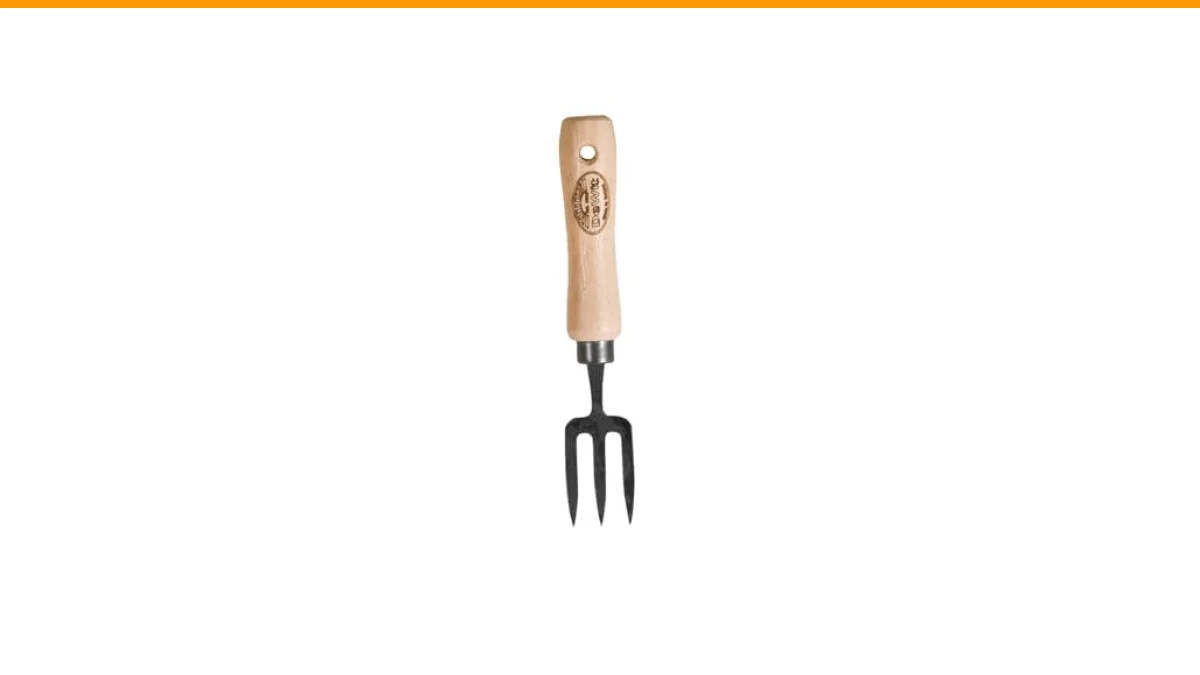
DeWit Bonsai Fork

DeWit
DeWit Bonsai 3 Prong Fork – Handcrafted Garden Tool
- ✅ Perfect for Indoor Plants – Gentle yet effective for bonsai, container gardening, and seedlings.
- ✅ Japanese-Inspired Precision – A favorite among bonsai gardeners for root work and transplanting.
- ✅ Superior Quality – Made from top-grade tempered steel for strength and durability.
The DeWit Bonsai 3 Prong Fork is the specialist here. It is built for one job: precise work on potted trees. If you spend more time with root hooks and chopsticks than with a spade, this tool belongs in your kit. It suits indoor plants, seedlings, and container gardening just as well.
What sets it apart is the Japanese-inspired geometry. The head is compact at 3 inches long and just 1 inch wide, which lets you work between surface roots without gouging the trunk. The tempered steel holds a fine edge, and the ash handle keeps the total weight down to a mere quarter-pound. You barely feel it in your hand, which matters during a long repotting session.
There is a trade-off. This fork is not a heavy-duty weeder. If you try to pry up a stubborn dandelion or break through clay soil, the slender tines will feel out of their depth. It is a precision instrument, not a general garden tool. Also, availability can be scarce, so if you see it in stock, grab it.
- Head size: 3 inches long by 1 inch wide
- Total length: 6.5 inches for maximum control
- Weight: 0.25 lbs, nearly unnoticeable in hand
- Handle: Ash wood, comfortable for extended use
- Steel: Top-grade tempered for lasting sharpness
Best for: The bonsai purist who needs a delicate, precise tool for root raking and repotting without fatigue.
Eadwiella Garden Fork
The Eadwiella is the budget-friendly workhorse. It is a 12-inch hand fork with a 5-inch blade, making it a better fit for those who need one tool that does a bit of everything. Beginners tackling their first repot will appreciate its forgiving nature. It also handles weeding and cultivating around the garden when the bonsai work is done.
The stainless steel head resists rust, and the ash hardwood handle provides a solid grip. It comes with a leather strap for hanging, which keeps the workshop tidy. The longer handle gives extra leverage, useful for loosening soil in deeper training pots that the DeWit cannot reach.
That extra length has a downside. The fork is heavier and less nimble than the dedicated bonsai tools here. For very fine root work, the 5-inch blade might feel too long and bulky. It is a great all-rounder, but it lacks the surgical precision of the DeWit or the Happyyami. Note that it is frequently out of stock, so check availability before planning your purchase.
- Blade size: 5 inches by 3 inches
- Total length: 12 inches for added reach
- Weight: 0.48 lbs
- Handle: Ash hardwood with a hanging hole
- Warranty: Limited lifetime coverage
Best for: The practical gardener who wants a durable, multi-purpose fork for bonsai and general garden maintenance.
Haliaeetus Garden Fork
The Haliaeetus is the muscle option. It is designed to break through hard, compacted soil that would stop a lighter fork cold. If your bonsai mix includes heavy clay or you are digging out a tree that has been in the ground for years, this tool saves your wrists. The thick stainless steel tines resist bending even when you hit a rock.
Its main strength is leverage. The 12.3-inch length and sharp tines dig deep to uproot large weeds or turn over dense soil. The wooden handle acts as a natural shock absorber, reducing strain during prolonged work. This is the fork you grab when the soil is dry and crusty, not when you are doing fine root combing.
Be honest about your needs. The Haliaeetus is heavier and broader than the others. For delicate tasks like teasing apart a root-bound azalea, it is too aggressive. It works best when the soil is moist, as the manufacturer notes. For bonsai, use it for soil mixing or breaking up new substrate, not for root surgery.
- Total length: 12.3 inches
- Tines: Sharp, thick stainless steel
- Handle: Ergonomic wood that reduces wrist fatigue
- Build: Seamless welding for durability
- Warranty: Lifetime coverage
Best for: Gardeners working with rocky, dense bonsai mixes who need serious force without bending a tine.
Berry&Bird Hand Fork
Berry&Bird brings a craft feel to the lineup. This fork is made using traditional manual processes, and the brand emphasizes sustainability with FSC-certified ash handles. It is a tool you will keep for years. The stainless steel head resists rust, and the ergonomic design fits the hand naturally, making it a solid choice for long styling or repotting sessions.
The balance is the standout feature. The fork feels proportional, with a comfortable grip that reduces fatigue. It penetrates soil easily and handles clay without bending. The stainless steel pins shed soil well, so you are not constantly tapping the fork to clear the tines. It is a pleasure to use for planting in pots, beds, and borders.
Where it falls short is specialization. The dimensions are not listed for the head, but the general-purpose design means it is not as narrow as the DeWit. For bonsai, it works well for mixing soil amendments or aerating the top layer of a larger training pot. For fine root work on a shohin, you will want something smaller.
- Handle: FSC-certified ash from sustainable forests
- Head: Stainless steel with soil-shedding tines
- Design: Traditional manual manufacturing process
- Warranty: 2-year coverage with 30-day replacement
- Use: Ideal for planting, weeding, and aerating
Best for: The environmentally conscious gardener who values ergonomic comfort and a beautiful, lasting tool.
Happyyami Heavy Duty Fork

Happyyami
Stainless Steel Gardening Fork, 3-Tine Hand Rake for Pot Plants | Ergonomic Handle Design Reduces Wrist Fatigue, for Tight Spaces, Cultivating Tough Soil and Flower Beds
- Cultivator hand rake--perfect tool for cultivating tough soil and quick aerating jobs,weeder tool for garden
- Garden forks--made of premium quality stainless steel, sturdy and durable,planting fork
- Hand-held planting tool--comfortable handle allows you to and provide you with a firm grip to reduce hand and wrist fatigue,garden…
The Happyyami is the specialist for tight spaces. Its compact head and yellow handle make it easy to spot in a crowded shed. This fork is designed for quick aerating jobs and working between closely planted pots. If you have a bonsai bench full of small trees, this tool lets you reach into gaps without disturbing neighbors.
It is made from premium stainless steel, so it resists bending and rust. The comfortable handle provides a firm grip, reducing hand and wrist fatigue during repetitive tasks. The small size makes it perfect for cultivating the top layer of soil in shallow bonsai pots, breaking up crusty surfaces without digging too deep.
The limitation is its size. This is not a tool for deep root work or heavy weeding. The short handle means less leverage, so it struggles with compacted soil. It shines for surface maintenance and precision tasks. Consider it a complement to a larger fork, not a replacement.
- Material: Premium stainless steel, sturdy build
- Handle: Comfortable, firm grip design
- Size: Compact head for tight spaces
- Use: Cultivating tough soil and quick aeration
- Color: Yellow, easy to locate
Best for: The bonsai hobbyist with many small pots who needs a nimble tool for surface aeration and tight corners.
How We Chose These Products
We evaluated each fork based on its suitability for bonsai care, not just general gardening. The priority was surgical precision. That means we looked closely at tine sharpness, head width, and weight. A fork that is too heavy or wide will damage delicate feeder roots, so we favored compact designs.
We also considered material science. Carbon steel stays sharper but requires oiling to prevent rust. Stainless steel is lower maintenance but may not hold an edge as long. Each product here was selected to cover a different niche, from the ultra-precise DeWit to the heavy-duty Haliaeetus for tough soil. We balanced durability against the specific demands of root raking and repotting.
Buying Guide: What Really Matters
Tine shape is the first thing to check. For bonsai, you want narrow, sharp tines that slide between roots rather than tear through them. A broad fork with thick tines is better suited to breaking up garden soil. Consider the depth of your bonsai pot. A shallow dish only needs a fork with short tines, while a deep training pot requires more length to reach the bottom.
Handle grip and balance matter more than you might think. A wooden handle absorbs shock and feels warm in the hand, but it requires occasional oiling to prevent cracking. The overall weight of the tool affects your control. A lighter fork allows for more nuanced movements, which is critical when you are untangling roots for several hours.
Material choice comes down to maintenance. Stainless steel is rust-resistant and easy to clean, making it ideal for beginners. Carbon steel takes a sharper edge, which is useful for clean cuts on roots, but you must wipe it dry and oil it after every use. For most hobbyists, stainless steel offers the best balance of performance and care. For those who want a deeper look at how these tools fit into different gardening styles, our rock garden fork guide covers similar ground.
How to Use a Hand Fork for Root Raking and Repotting
Start by removing the tree from its pot and gently shaking off loose soil. Do not pull at the trunk. Use the fork to comb through the outer layer of the root ball. Work from the outside in, teasing apart the dense mat of roots that has formed against the pot wall. The goal is to free the roots so they can grow outward into fresh soil.
When you hit a stubborn tangle, do not force it. Use the tines to gently lift and separate the roots, working slowly. A chopstick or root hook is better for extreme fine-root work where a fork is too thick. If you are repotting a tree with delicate roots, like a maple, consider using a chopstick for the final separation stage.
Rake out old soil from between the roots, but leave the interior root mass mostly intact. You want to encourage new growth without shocking the tree. After repotting, water thoroughly to settle the soil. The fork is also useful for mixing in additives like akadama or pumice. For more tips on using these tools effectively, check out this bonsai shaping guide.
Maintenance: Keeping Your Fork Rust-Free and Sharp
Bonsai soil often contains acidic components like pine bark or peat moss. These can corrode metal if left on the tool. After each session, rinse the fork with water to remove sap and dirt. Dry it thoroughly with a cloth. Do not let it air dry, as water can get into the joint and cause stiffness.
For stainless steel forks, a quick wipe with a clean rag is usually enough. For carbon steel, apply a thin layer of camellia oil or mineral oil to protect the edge. This prevents rust and keeps the tines sliding smoothly through soil. Check the handle periodically. Wooden handles can dry out and crack. Rub them with linseed oil a few times a year.
Store the fork hanging or in a dry place. If the joint becomes stiff, apply a drop of penetrating oil and work the tines back and forth. With regular care, a quality fork will last decades. For more on choosing durable tools for specific garden themes, our therapeutic gardening picks offer additional perspective.
Our Top Recommendation
The DeWit Bonsai 3 Prong Fork is the clear winner for dedicated bonsai work. Its compact size, light weight, and sharp tempered steel make it the closest thing to a surgical instrument in this category. It disappears in your hand, letting you focus on the tree. If you are serious about repotting and root care, this is the tool to buy.
For beginners on a budget, the Eadwiella is a solid runner-up. It handles general garden tasks as well as basic bonsai work, so you get more versatility for your money. If you struggle with hard, compacted soil, the Haliaeetus offers the strength you need. For ergonomic comfort and sustainable materials, the Berry&Bird is a beautiful choice. The Happyyami fills the niche for tight-space work.
Choose based on your specific needs. The right fork makes repotting a joy instead of a chore. The wrong one can damage years of growth in seconds. Invest in precision, and your trees will thank you.
Frequently Asked Questions
Can I use a regular garden fork for bonsai?
You can, but it is not ideal. Standard forks have thick, blunt tines that tear delicate feeder roots. They are also heavier, making precise control difficult. A dedicated bonsai fork has a narrower profile and sharper points, which lets you work between roots with less damage.
How do I clean a hand fork after repotting?
Rinse off all soil and sap immediately after use. Use a stiff brush to remove debris from between the tines. Dry the fork completely before storing. For carbon steel, apply a light coat of oil to prevent rust. For stainless steel, a simple wipe-down is sufficient.
What is the difference between carbon steel and stainless steel tines?
Carbon steel takes a sharper edge and stays sharp longer, but it rusts easily if not oiled. Stainless steel resists corrosion and requires less maintenance, but it will not get as sharp. For bonsai, where clean cuts matter, some prefer carbon steel. For low-maintenance use, stainless steel is easier.
Should I use a root hook instead of a hand fork?
Yes, for the finest work. A root hook is better for untangling extremely dense root balls without breaking roots. A hand fork is more versatile for general soil aeration and mixing. Many bonsai artists use both. Use the hook for the final, delicate separation and the fork for bulk soil removal.