Essential Guide to Lavender Care and Pruning
Contents
Walking through a garden filled with the sweet scent of lavender can uplift your spirits. The vibrant purple blooms not only enhance aesthetics but also attract pollinators and bring a sense of tranquility. However, to enjoy these benefits, proper care and pruning are essential. This guide will help you understand the nuances of lavender care and the best practices for pruning to ensure your plants remain healthy and productive.
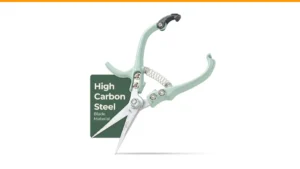
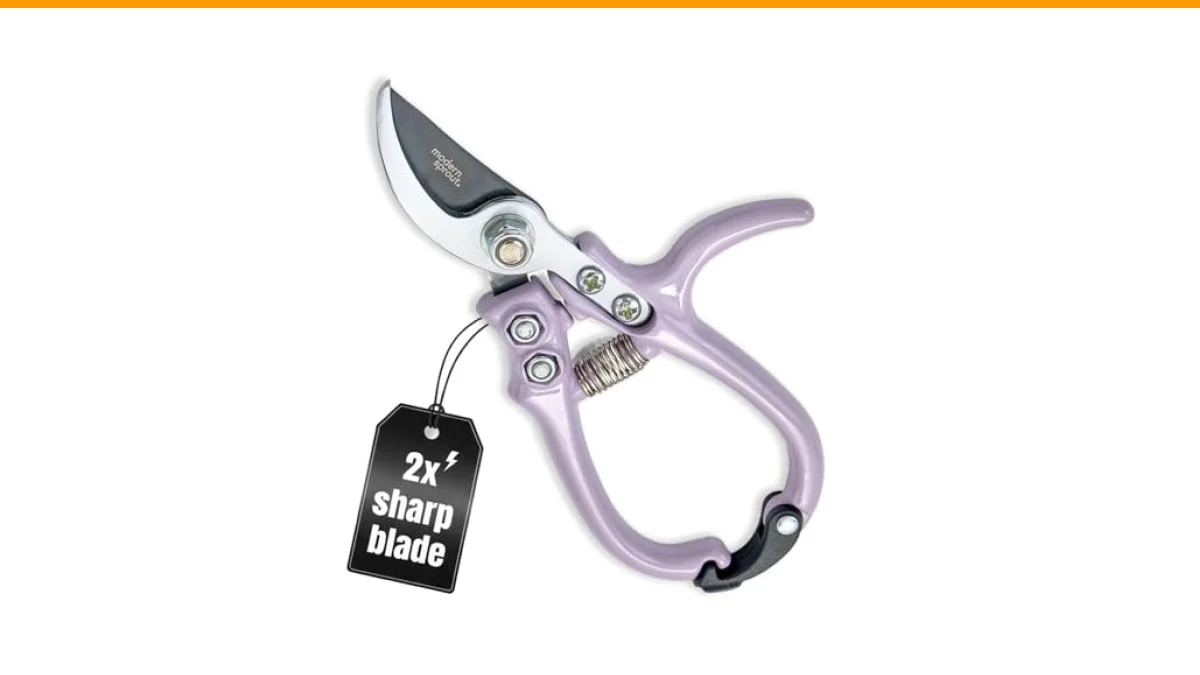
Understanding the right tools can also make a significant difference in your gardening experience. One such tool is the Modern Sprout Bypass Hand Pruners. These pruners are designed for precise cuts, making them an excellent choice for trimming lavender and other delicate plants. Their ergonomic design allows for comfortable use, even during extended sessions of pruning.

Modern Sprout
Modern Sprout Bypass Hand Pruners - Scissors - Gardening Tools - Lavender
- Designed for Everyday Plant Care: These garden hand pruners offer reliable performance for everyday plant maintenance; whether use…
- Safety Lock for Peace of Mind: These hand pruners feature an integrated safety latch that keeps the blades securely closed when no…
- Precision Tip for Delicate Snips: Featuring a high-carbon steel bypass blade, this small scissors tool ensures sharp, clean cuts -…
Understanding Lavender Varieties
Before diving into care and pruning, it’s vital to know the different varieties of lavender. The most common types include:
- English Lavender (Lavandula angustifolia): Known for its sweet fragrance and hardiness, it thrives in cooler climates.
- French Lavender (Lavandula dentata): Features serrated leaves and a more pungent scent, suitable for warmer regions.
- Spanish Lavender (Lavandula stoechas): Recognized for its unique flower spikes, it prefers warmer conditions and has a more intense aroma.
Knowing your lavender type helps tailor care practices effectively, as each variety has slightly different requirements.
Optimal Conditions for Lavender Growth
Lavender thrives in well-drained soil with a pH of 6.5 to 7.5. Here are some key factors to consider:
- Sunlight: Lavender requires full sun, ideally 6-8 hours daily. Insufficient light can lead to leggy plants.
- Watering: Overwatering is detrimental. Water only when the top inch of soil feels dry, especially in hot weather.
- Soil Type: Sandy or gravelly soils promote drainage. If your soil retains too much moisture, consider amending it with sand or gravel.
Regularly check your plants for signs of stress, such as wilting or browning leaves, as these can indicate improper care.
Pruning Lavender: Timing and Techniques
Pruning lavender is critical for maintaining its shape, promoting growth, and preventing disease. The best time to prune lavender is in early spring, just before new growth begins. Here’s how to do it:
- Remove Dead Growth: Start by cutting away any dead or woody stems. Focus on the areas where new growth is emerging.
- Shape the Plant: Trim back about one-third of the plant’s height. This encourages bushier growth and helps maintain a compact shape.
- Use Sharp Tools: Utilize quality tools like the Modern Sprout Bypass Hand Pruners for clean cuts. This reduces the risk of disease and promotes faster healing.
It’s best to avoid cutting into the woody part of the stems, as this can hinder regrowth. Instead, focus on the green parts that have produced flowers in the past.
Care After Pruning
Post-pruning care is crucial for the recovery of your lavender plants. Here are some tips:
- Watering: After pruning, give your plants a light watering to help them recover, but avoid over-saturating the soil.
- Fertilization: Use a low-nitrogen fertilizer in early spring to support new growth.
- Pest Monitoring: Regularly check for pests like aphids or spider mites, as pruning can attract them.
With proper care, your lavender plants will flourish and provide stunning blooms throughout the growing season.
| Variety | Sun Requirements | Ideal Soil | Watering Needs |
|---|---|---|---|
| English Lavender | Full Sun | Sandy, Well-drained | Low |
| French Lavender | Full Sun | Well-drained | Moderate |
| Spanish Lavender | Full Sun | Sandy | Moderate |
How often should I prune lavender?
Pruning should be done annually, ideally in early spring. This helps maintain shape and encourages healthy growth.
What happens if I don’t prune my lavender?
Without pruning, lavender plants can become woody and leggy. This can lead to fewer blooms and increased susceptibility to diseases.
Can lavender survive winter?
Most lavender varieties are hardy and can survive winter in well-drained soil. However, in extremely cold climates, providing mulch can help insulate the roots.
Is it necessary to fertilize lavender?
While lavender doesn’t require heavy fertilization, a low-nitrogen fertilizer in spring can promote growth and blooming.
What pests should I watch for on lavender?
Aphids, spider mites, and whiteflies are common pests. Regularly inspect your plants and treat infestations promptly to prevent damage.
Final Thoughts on Lavender Care and Pruning
- Choose the right lavender variety for your climate.
- Ensure proper sunlight and drainage for healthy growth.
- Prune annually in early spring to maintain shape.
- Use sharp tools like the Modern Sprout Bypass Hand Pruners for clean cuts.
- Monitor for pests and provide light fertilization as needed.
- For additional gardening tools, check options for small hands.
- Regular care leads to thriving lavender plants and beautiful blooms.