
The Essential Guide to Dill Companion Plants
Contents
Understanding Dill Companion Plants
Imagine walking into your garden and feeling the vibrant energy all around you. The plants are thriving, pollinators are buzzing, and the air is fragrant with herbs. This is not just a dream; it’s a reality that can be achieved with proper companion planting. Dill, with its feathery foliage and delicate flowers, is not just a beautiful addition to your garden; it also plays a vital role in fostering a healthy ecosystem.
In this guide, you’ll discover how dill companion plants can improve growth, deter pests, and attract beneficial insects. You’ll also walk away with actionable tips for creating the perfect planting combinations to enhance both your garden’s aesthetics and productivity.

SURVIVAL GARDEN SEEDS
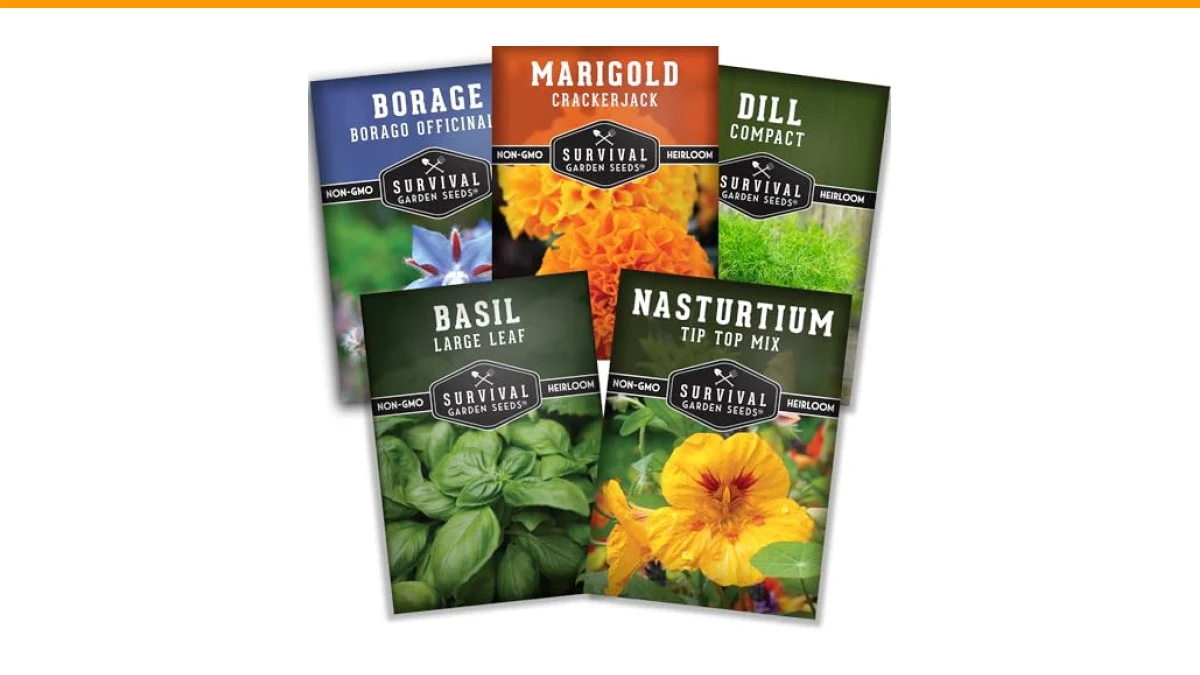
Companion Plant Seeds 5 Variety Pack for Planting - Survival Garden Seeds
- 5 COMPANION PLANTS - This five-pack includes heirloom seeds for growing Large Leaf Basil (Ocimum basilicum), Borage (Borago offici…
- A HEALTHY GARDEN ECOSYSTEM - Attract pollinators, draw beneficial insects and help create natural harmony around tomatoes, peppers…
- SMART GARDENING - Create interplantings of herbs and flowers throughout vegetable beds to improve biodiversity, encourage friendly…
If you’re ready to take your gardening to the next level, consider the Companion Plant Seeds 5 Variety Pack for Planting from Survival Garden Seeds. This pack includes five heirloom seeds, including Compact Dill, which works seamlessly with other companion plants to create a thriving garden ecosystem.
Why Companion Planting Matters
Companion planting is a gardening technique that involves growing different plants together for mutual benefit. When it comes to dill, choosing the right companions can lead to a more productive garden. Here are a few reasons why it matters:
- Pest Control: Certain plants can repel harmful insects. Dill, for instance, can deter aphids, making it an excellent choice alongside vulnerable crops.
- Improved Pollination: Dill attracts beneficial insects like hoverflies and ladybugs, which help pollinate nearby flowering plants.
- Nutrient Sharing: Some plants can enhance each other’s growth by sharing nutrients or improving soil conditions.
Best Dill Companion Plants
When selecting companion plants for dill, keep in mind their growth habits, nutrient needs, and pest deterrent qualities. Here are some of the best options:
- Basil: This aromatic herb not only complements dill in culinary uses but also helps repel thrips and other pests.
- Carrots: Dill enhances the flavor of carrots while attracting beneficial insects that will keep pests at bay.
- Cucumbers: Dill can improve cucumber growth and flavor, and its flowers attract pollinators.
- Tomatoes: Dill can benefit tomatoes by attracting pollinators and repelling harmful insects like tomato hornworms.
- Squash: Growing dill with squash can deter pests and promote a healthier growing environment.
Plants to Avoid Near Dill
While many plants thrive alongside dill, some do not. Avoid planting dill near:
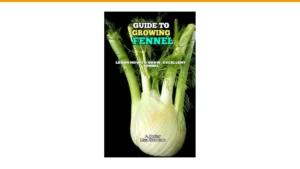
- Fennel: Both plants belong to the same family and can compete for nutrients.
- Carrots: While they can coexist, they can also inhibit each other’s growth if planted too close.
- Potatoes: Dill can attract pests that are harmful to potatoes, such as aphids.
Companion Planting Table
| Companion Plant | Benefits | Plants to Avoid |
|---|---|---|
| Basil | Repels pests, enhances flavor | None |
| Carrots | Improves flavor, attracts pollinators | Fennel |
| Cucumbers | Enhances growth, attracts beneficial insects | Potatoes |
| Tomatoes | Attracts pollinators, repels pests | None |
| Squash | Deters pests, supports growth | None |
Frequently Asked Questions
1. Can I grow dill in pots?
Yes, dill can be successfully grown in pots. Ensure the container has good drainage and use quality potting soil. Regular watering is essential as pots can dry out quickly.
2. How much sunlight does dill need?
Dill thrives in full sun, requiring at least 6-8 hours of sunlight each day. However, it can tolerate some partial shade, particularly in hotter climates.
3. How often should I water dill plants?
Water dill regularly, especially during dry spells. The soil should be kept moist but not soggy. Typically, watering once a week is sufficient, but adjust based on weather conditions.
4. Can dill be grown indoors?
Yes, dill can be grown indoors. Use a sunny windowsill or a grow light to provide adequate light. Choose a container with good drainage to prevent root rot.
5. How do I harvest dill?
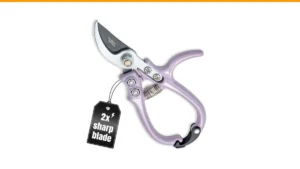
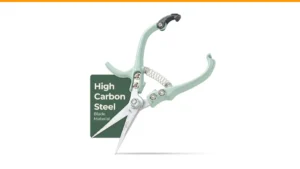
Harvest dill by snipping off the leaves or flowering heads. Use scissors or garden shears, cutting just above a leaf node to encourage further growth.
Final Thoughts on Dill Companion Plants
- Choose companion plants that complement each other’s growth and deter pests.
- Avoid planting dill near fennel and potatoes to prevent nutrient competition and pest attraction.
- Consider using the Companion Plant Seeds 5 Variety Pack to create a diverse and healthy garden ecosystem.
- Regularly monitor your garden for pests and adjust planting strategies as needed.
- Enjoy experimenting with different combinations to discover what works best in your specific garden environment.