Your Ultimate Guide to Growing Mint Without It Spreading
Contents
Imagine enjoying the refreshing taste of mint in your favorite dishes or drinks, but then finding it has taken over your entire garden. This scenario is common for many gardeners who love mint but have struggled with its invasive nature. Mint is notorious for its ability to spread aggressively, often overshadowing other plants and making it difficult to manage. This article will provide you with practical strategies to cultivate mint while keeping it contained, ensuring it enhances your gardening experience instead of complicating it.
You’ll learn specific techniques, the right conditions for growing mint, and how to select the best pots for indoor or outdoor planting. For those who want to keep mint tidy, consider using the Utopia Home Plant Pots. This set includes various sizes, perfect for managing different mint varieties while providing adequate drainage and preventing overgrowth.

Utopia Home
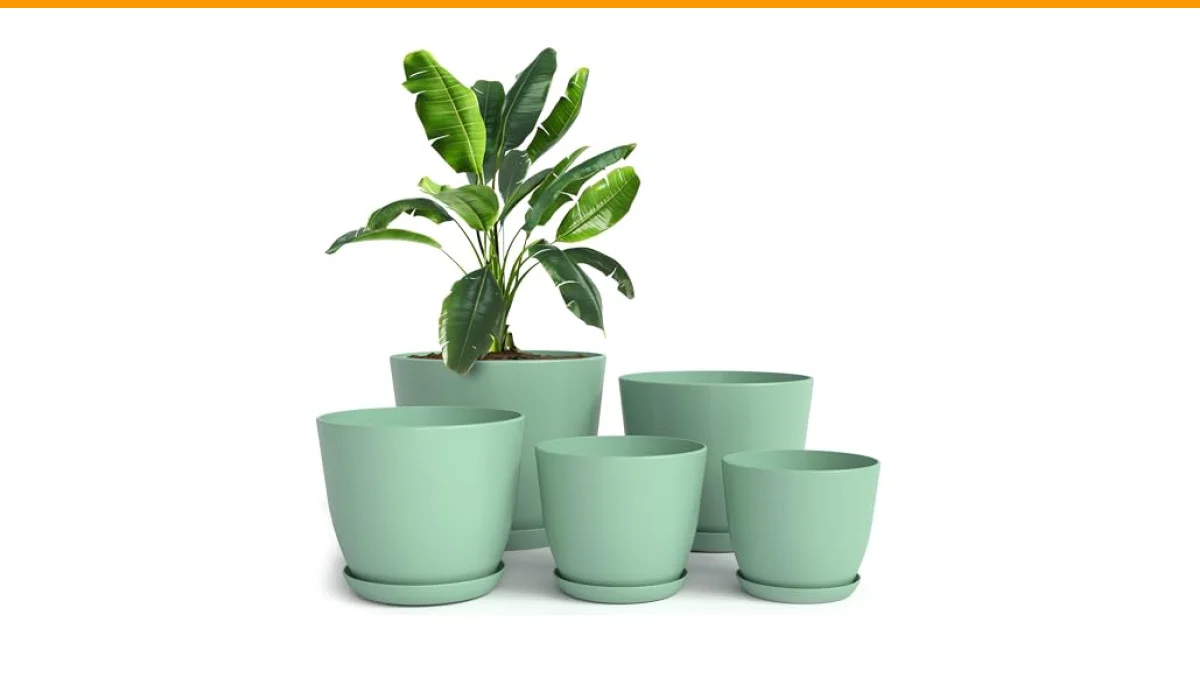
Utopia Home - Plant Pots Indoor with Drainage - 7/6.6/6/5.3/4.8 Inches Home Decor Flower Pots for Indoor Planter - Pack of 5 Plastic Planters for Indoor Plants, Cactus, Succulents Pot - Mint
- Plant Pots / Flower Pots - Invest in a beautiful garden to harvest the seeds of love, with the set of pots for indoor or outdoor p…
- Multiple Sizes – This nursery plant pots indoor comprises multi-size pots – Extra Large (7” W x 5.9” H), Large (6.6” W x 5.4” H),…
- Impeccable Febrication - The indoor plant pots comprises of reinforced PP plastic. The hassle-free decorative flower pots contain…
Understanding Mint’s Growth Habit
Mint belongs to the Lamiaceae family, and its vigorous growth habit is due to its underground runners called stolons. These stolons can quickly take root and establish new plants, leading to an explosion of growth. This trait makes mint a favorite among many gardeners, but it also means careful management is necessary.
Mint thrives in USDA hardiness zones 3-11, depending on the variety, and prefers well-draining soil, full sun to partial shade, and regular watering. However, its propensity to spread can lead to overcrowding in gardens and pots if not managed effectively. Understanding this growth habit is key to successfully growing mint without it spreading uncontrollably.
Effective Methods to Contain Mint
Here are some effective approaches for growing mint without it spreading:
- Planting in Containers: Using pots is one of the easiest ways to keep mint contained. Choose a pot that is at least 12 inches deep. The Utopia Home Plant Pots offer a range of sizes ideal for mint.
- Using Barriers: Installing barriers such as root control fabric or plastic edging underground can prevent mint from spreading beyond its intended space. Bury the barrier at least 12 inches deep to effectively block stolons.
- Regular Pruning: Trimming mint back regularly can help manage its growth. Aim to prune back a third of the plant every few weeks during the growing season. This keeps the plant healthy and prevents it from becoming overgrown.
- Choosing Less Invasive Varieties: Some mint varieties, like pineapple mint or chocolate mint, tend to be less invasive than spearmint or peppermint. Opting for these varieties can reduce the chance of runaway growth.
Conditions for Successful Mint Growth
To grow mint effectively while preventing it from spreading, you need to create the right conditions:
- Soil: Use a well-draining potting mix enriched with organic matter. A pH level between 6.0 and 7.0 is ideal.
- Light: Mint prefers full sun but can tolerate partial shade. Aim for at least 4-6 hours of sunlight daily.
- Water: Keep the soil consistently moist but not soggy. Water regularly, especially during dry spells.
- Fertilization: Use a balanced fertilizer every 4-6 weeks during the growing season to promote healthy growth.
Comparative Table of Mint Growing Methods
| Method | Effectiveness | Complexity | Cost |
|---|---|---|---|
| Planting in Containers | High | Low | Moderate |
| Using Barriers | High | Medium | Low |
| Regular Pruning | Medium | Low | Free |
| Choosing Less Invasive Varieties | Medium | Low | Moderate |
Frequently Asked Questions
How do I know if my mint is spreading too much?
If you notice mint plants popping up several feet away from the original planting site, it’s time to take action. Regularly inspect your garden for new growth.
Can I grow mint indoors?
Yes, mint grows well indoors. Use pots with drainage holes to avoid waterlogging and place them in a sunny spot.
What are the best pot sizes for growing mint?
A pot of at least 12 inches in depth is recommended. The Utopia Home Plant Pots offer a variety of sizes suitable for mint.
How often should I water my mint?
Water mint when the top inch of soil feels dry. It prefers consistently moist soil but does not like to sit in water.
Can I plant mint with other herbs?
It’s best to plant mint separately, as it can quickly outcompete other herbs for nutrients and space.
Final Thoughts
- Plant mint in containers to prevent uncontrolled spreading.
- Regularly prune mint to keep it manageable.
- Consider using barriers to contain root growth.
- Monitor soil moisture to support healthy growth.
- Choose less invasive varieties for a more contained experience.
- Use pots with drainage for indoor planting.
- Opt for the Utopia Home Plant Pots for a stylish and functional solution.