
Lawn Mower Emissions Compared to Cars: A Comprehensive Guide
Contents
Summer weekends often bring the familiar sound of lawn mowers buzzing through neighborhoods. While many homeowners enjoy the fresh-cut smell of grass, few realize the environmental impact of their lawn care equipment. Lawn mowers, particularly gas-powered models, can produce more emissions than some cars, raising questions about their role in air pollution. This article delves into the emissions from lawn mowers compared to automobiles, helping you understand the ecological implications of your lawn maintenance choices.
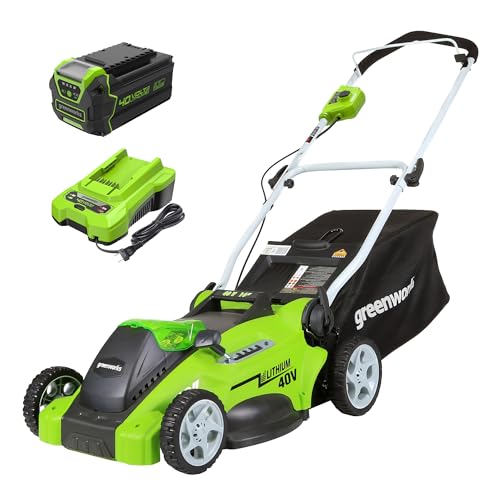
As you read through, you’ll walk away with facts and figures that illustrate the emissions landscape of lawn mowers versus cars. You’ll also discover alternatives that can help you maintain your lawn while reducing your carbon footprint. If you’re considering a more eco-friendly solution, the Greenworks 40V 16in Push Lawn Mower offers a battery-operated option that minimizes emissions and supports a cleaner environment.
Greenworks
Greenworks 40V 16in Push Lawn Mower, 4.0 Ah Battery and Charger
- [16" LAWN MOWER] - This 40V lawn mower cuts up to 1/3 acre with fully charged 4.0Ah battery (varies based on grass condition and o…
- [ULTRA LIGHTWEIGHT] - 35% lighter than steel deck mowers
- [SINGLE LEVER HEIGHT ADJUST] - 5 position height adjustment
Understanding Lawn Mower Emissions
Many gas-powered lawn mowers emit a significant amount of pollutants. According to research, one hour of operation can produce as much smog-forming pollution as driving a modern car for over 1,000 miles. The primary culprits are hydrocarbons, carbon monoxide, and nitrogen oxides. These emissions contribute to air quality issues and have been linked to respiratory problems and environmental degradation.
The Environmental Protection Agency (EPA) states that small engines, including those in lawn mowers, contribute to over 5% of the nation’s air pollution. This percentage might seem small, but when you consider how many lawn mowers are used concurrently, the impact is substantial.
Comparative Emissions: Lawn Mowers vs. Cars
When comparing lawn mower emissions to cars, one must consider several factors, including engine type, maintenance, and usage patterns. Here’s a snapshot of how the two stack up:
| Type | Emissions (grams/hour) | Equivalent Car Mileage (miles) |
|---|---|---|
| Gas Lawn Mower | 100-300 | 1,000+ |
| Electric Lawn Mower | 0 | N/A |
| Modern Gas Car | 20-30 | 30-50 |
This table illustrates a staggering fact: running a gas lawn mower for just one hour can equate to driving a car for over 1,000 miles in terms of emissions. On the other hand, electric mowers produce zero emissions during operation, presenting a compelling case for an eco-friendlier choice.
Common Misconceptions About Lawn Mower Emissions
Myth: All Lawn Mowers Produce the Same Amount of Emissions
Not all lawn mowers are created equal. Gas mowers, especially older models, emit much more pollution than newer, more efficient engines. Electric mowers, including battery-operated ones like the Greenworks model, produce no emissions during use. Investing in an electric mower can significantly reduce your environmental impact.
Myth: Lawn Mowers Are Only Used for Short Periods
While mowing may take only a couple of hours a week, many people often underestimate how often they use their mowers. Regular maintenance, including trimming edges and maintaining grass health, leads to frequent operation. This adds up quickly in terms of emissions.
Addressing Lawn Mower Emissions
To mitigate lawn mower emissions, consider the following strategies:
- Switch to Electric: Choose an electric or battery-operated mower to eliminate emissions entirely.
- Maintain Your Equipment: Regular servicing of gas mowers can improve efficiency and reduce emissions.
- Use Ethanol-blended Fuels: If using gas mowers, opt for fuels with lower emissions.
- Practice Responsible Mowing: Mow during cooler parts of the day to reduce ozone formation.
- Consider Your Lawn Size: For small lawns, a push mower or reel mower may suffice, reducing the need for gas-powered equipment.
FAQs About Lawn Mower Emissions Compared to Cars
1. How do lawn mower emissions affect air quality?
Lawn mower emissions contribute to smog and respiratory problems. They release hydrocarbons and other pollutants that can degrade air quality, especially in urban areas.
2. Are electric mowers better for the environment?
Yes, electric mowers produce zero emissions during operation. They are a cleaner alternative compared to gas-powered mowers, especially if charged with renewable energy.
3. How can I reduce my lawn care emissions?
You can reduce emissions by switching to electric mowers, maintaining your gas mowers, and mowing responsibly. Using a push mower for small lawns also helps minimize your carbon footprint.
4. What about battery emissions from electric mowers?
While electric mowers have no emissions during use, battery production does have an impact. However, this is often less significant than the emissions produced by gas mowers over their lifespan.
5. Can lawn mower emissions contribute to climate change?
Yes, lawn mower emissions release greenhouse gases and pollutants that can contribute to climate change. Reducing these emissions through cleaner technologies can help mitigate environmental impact.
Final Thoughts on Lawn Mower Emissions
- Gas mowers emit more pollution than many cars.
- Electric mowers offer a zero-emission alternative.
- Regular maintenance of gas mowers can reduce emissions.
- Choosing the right mower for your lawn size can minimize environmental impact.
- Awareness of mowing practices is crucial for better air quality.
- Consider battery-powered options like the Greenworks model for eco-friendly lawn care.
- Every small change in lawn care practices can contribute to a healthier environment.