The Best Garden Hand Fork for Garden Therapy: A Guide for Every Soil and Body
Contents
You step into the garden to escape the noise, but your hands ache before you’ve pulled a single weed. That’s the frustrating reality for many gardeners dealing with arthritis, weak grip strength, or just tired wrists. The tool you choose can turn a therapeutic session into a painful chore.
A great garden hand fork for therapy does three things well. It reduces strain on your joints, it matches your soil type so you’re not fighting the ground, and it feels balanced in your hand. The wrong fork will fight you on every dig.
We’ve sorted through the top options to find the best hand forks for different needs. Whether you’re weeding a raised bed, breaking up clay, or working with limited hand strength, there’s a fork here for you. Let’s dig in.
Here is a quick side-by-side look at the key specs for each of our top picks.
| Features | Haliaeetus Hand Fork | Berry&Bird Hand Fork | Garden Guru Weeder Fork | DeWit Small Garden Fork | Fiskars Ergo Cultivator |
|---|---|---|---|---|---|
| Material & Build | Thick stainless steel, seamless weld | Stainless steel, FSC ash handle | Rust-resistant stainless steel | Tempered boron steel, ash handle | Cast aluminum, polished tines |
| Handle Style | Ergonomic wooden handle | Ergonomic ash handle | Ergonomic grip | Compact ash hardwood | Ergonomic handle |
| Key Feature | Lifetime warranty, deep reach | 10-year lifespan, sustainable wood | Lifetime warranty, hang hole | Compact, lightweight design | Cast aluminum power, rust resistance |
| Best Use Case | Heavy soil, large weeds | Pots, beds, borders | Transplanting, spreading mulch | Small hands, tight spaces | Tough soil, aerating, digging |
| Weight & Balance | Substantial, shock-absorbing | Well-balanced, comfortable | Lightweight, controlled | Lightweight, precise | Light, power-focused |
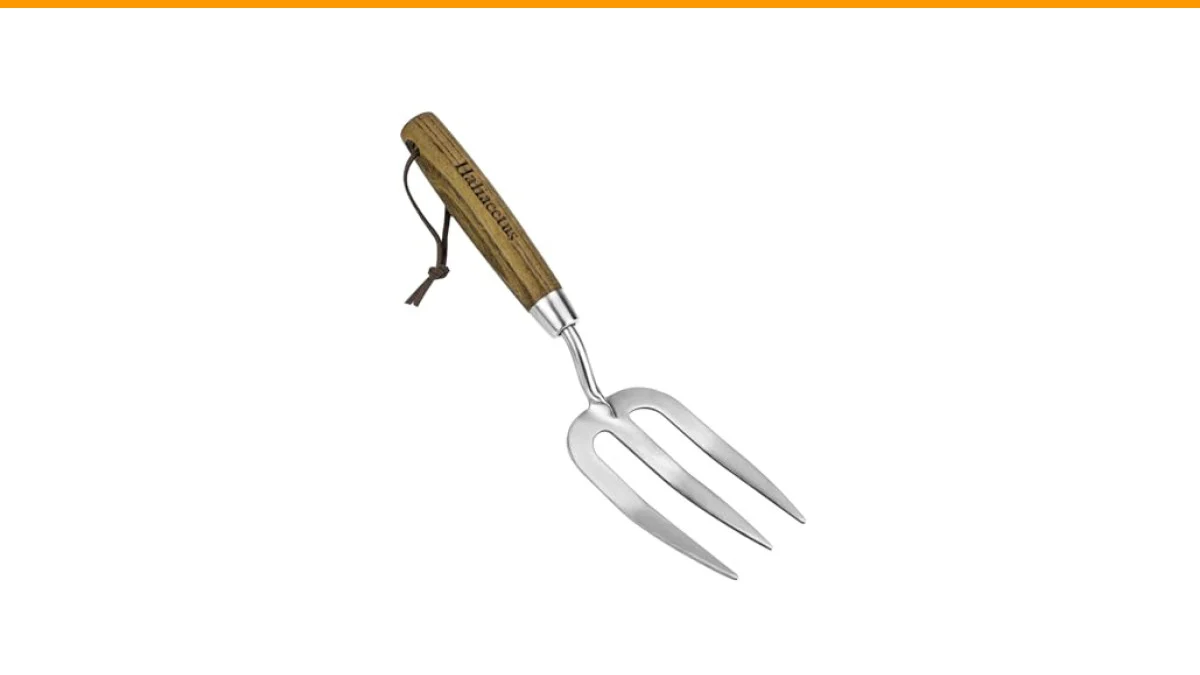
Haliaeetus Garden Hand Fo…
This is the tool for the gardener who faces a jungle every spring. If your garden beds are overrun with dandelions, thistles, or deep-rooted weeds, the Haliaeetus hand fork is built to win that fight. It’s also a smart choice for anyone dealing with heavy, clay-packed soil that laughs at flimsier tools.
What sets it apart is the sheer strength of the head. The stainless steel is thicker than most, and the seamless welding means there’s no weak joint to snap when you’re prying out a stubborn root. The three sharp tines slide into hard ground with surprising ease. The wooden handle acts as a natural shock absorber, which makes a real difference if you have wrist pain or arthritis. You can work for an hour and not feel that jarring vibration in your joints.
The trade-off is weight. This is a substantial tool. If you have very limited hand strength or need something ultralight for container gardening, it might feel like overkill. It’s also not the best choice for delicate work around tiny seedlings, as the tines are large and powerful. You’ll be fine with this unless you need a featherweight fork for tiny pots.
- Best for: The gardener who needs to uproot large weeds and break up tough, compacted soil without the tool bending.
Berry&Bird Gardening Hand…
2nd Pick

Berry&Bird
Berry&Bird Gardening Hand Fork, Stainless Steel Hand Weed Fork
- WHAT YOU GET - 1 * Stainless Steel Hand Fork. Our garden forks are made by traditional manual process and can be used for more tha…
- ERGONOMIC DESIGN- Berry&Bird hand fork has good balance and comfortable proportion, which is very suitable for planting in small a…
- STRONG AND TOUGH - Ideal for aerated soil, it will not bend under the action of force when used for harder garden work. The sharp…
Picture a gardener who splits their time between a few raised beds, some large patio pots, and a small border. They want a tool that feels like an old friend, one that gets smoother with every use. The Berry&Bird hand fork is made for that person. It’s also a great fit for anyone who values sustainable, traditional tools over modern plastic and rubber.
The ash wood handle is the star here. It’s FSC-certified, meaning it comes from responsibly managed forests, and it has a warm, natural feel that’s easy on the hands. The stainless steel head is rust-resistant and polished, so soil slides off easily. This fork is designed for balance and control in small areas. It penetrates the soil cleanly and is excellent for aerating around plant roots or mixing in compost. The manual craftsmanship suggests it will last for many seasons, becoming more comfortable over time.
This fork is not a heavy-duty digging tool. The tines are strong, but they’re not designed for prying out massive rocks or deep, woody roots in rock-hard clay. It’s a precision instrument for cultivated soil. If your ground is already worked and you need finesse, this is a joy. If you’re breaking new ground, you’ll want something more aggressive.
- Best for: The gardener who works in established beds and pots, values sustainable materials, and wants a comfortable, long-lasting tool for lighter tasks.
Garden Guru Stainless Ste…
3rd Pick

Garden Guru Lawn & Garden Tools
Garden Guru Stainless Steel Hand Weeder Fork Tool – Rust Resistant Stainless Steel – Ergonomic Handle – Great for Planting, Spreading Mulch, Weeding, Loosening & Transplanting Soil
- A must-have hand tool for every gardener. This hand rake is perfect for weeding, loosening and transplanting soil, turning, and sp…
- Stainless steel tines are rust resistant and sturdy, allowing easy penetration of soil. Fork also has the maneuverability to work…
- Ergonomic grip for comfort and control makes weeding and transplanting a breeze. Grip is designed to alleviate pressure on the pal…
Some gardeners have hands that ache after just a few minutes of gripping a trowel. The Garden Guru hand weeder fork is designed for them. It’s an excellent choice for anyone with arthritis or a weak grip who still wants to plant, weed, and spread mulch. The ergonomic handle is shaped to reduce pressure on your palm and fingers, letting you work longer without fatigue.
The stainless steel tines are rust-resistant and surprisingly sturdy for a tool in this class. They penetrate the soil easily, and the fork has enough maneuverability to work around delicate plant stems without damaging them. It’s a versatile tool that handles weeding, loosening soil, and transplanting with equal competence. The large hang hole is a small but thoughtful detail for easy storage, keeping the tool off the ground and away from moisture.
While the tines are strong, this isn’t a demolition tool. It will handle typical garden soil, but you shouldn’t use it to pry out deep-rooted shrubs in rocky ground. The handle is comfortable, but it’s a fixed design. If you need a more custom grip or a different angle, you’d have to look elsewhere. For most routine gardening tasks, though, it’s a reliable and comfortable companion.
- Best for: The gardener with hand or wrist pain who needs a comfortable, versatile fork for everyday weeding and planting in average soil.
DeWit Small Garden Fork?…
4th Pick
Tierra Garden
DeWit Small Garden Fork – Compact & Durable Cultivator
- Heirloom Quality: Designed for durability and precision, perfect for cultivating in tight spaces.
- Compact and Lightweight: Ideal for smaller hands, making it an excellent choice for female gardeners.
- Durable Construction: Crafted from tempered boron steel for strength and sharpness.
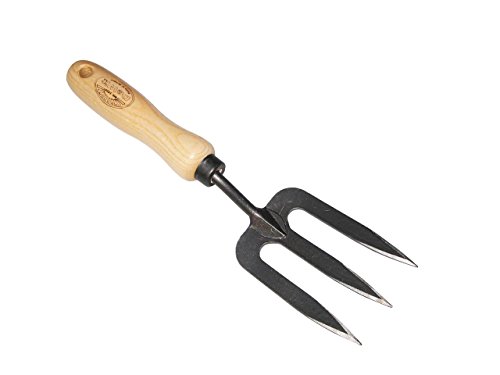
This is the specialist’s tool. The DeWit small garden fork is perfect for the gardener with smaller hands, or anyone who needs to work in very tight spaces. Think of a bonsai enthusiast, someone tending a dense alpine trough, or a gardener who finds full-sized tools clumsy. It’s also a fantastic choice for a child learning to garden, as its compact size is easy to control.
Don’t let the size fool you. This fork is handcrafted in Holland from tempered boron steel, the same material used in high-quality agricultural tools. It’s incredibly strong and holds a sharp edge. The compact head allows for precise cultivation between delicate plants without disturbing their roots. The ash hardwood handle is ergonomically shaped for a small hand, making it feel like a natural extension of your arm. This is a buy-it-for-life tool that will outlast almost anything else in your shed.
The main limitation is its size. This is not the tool for clearing a large vegetable patch or tackling a forest of weeds. It’s for detail work and small-scale gardening. The handle is also quite short, which is perfect for control but means you’ll be closer to the soil. If you have mobility issues that make bending difficult, a longer-handled tool would be a better fit.
- Best for: The precise gardener with small hands, or anyone who needs a durable, high-quality tool for working in tight spaces and containers.
Fiskars Ergo Garden Culti…
5th Pick

Fiskars
Fiskars Ergo Garden Cultivator, Hand Tool for Digging, Aerating & Weeding | Heavy-Duty Cast Aluminum Tines, Rust Resistant, Ergonomic Handle, Hang Hole Storage, Loosens Soil in Garden Beds & Pots
- GARDENING ESSENTIAL: Heavy duty, ergonomic hand cultivator with sharp tines ideal for a variety of gardening tasks like digging in…
- MAXIMUM POWER AND PRECISION: Cast-aluminum head and tines boost power for digging in tough soil and enhance rust resistance; Ergon…
- LONG-LASTING AND RELIABLE: Polished aluminum tines stay sharp through heavy use and provide excellent durability for lasting value…
If your soil is a challenge, the Fiskars Ergo Cultivator is your ally. This is the fork for the gardener who has to battle tough, compacted ground just to get a plant in. The cast-aluminum head gives it more power than you’d expect from its light weight. It’s a great choice for anyone who wants to aerate soil, dig out weeds, and break up clods without wearing themselves out.
The aluminum tines are polished and stay sharp through heavy use. They’re also rust-resistant, so you can leave it out in the rain accidentally without worrying too much. The ergonomic handle is designed for control, letting you apply force directly where you need it. This tool feels powerful in the hand. It’s excellent for slicing through compacted soil and lifting out weeds with their roots intact. The bright orange color is a nice bonus, as it’s easy to spot when you set it down.
While the aluminum head is strong, it’s not indestructible. It can bend if you use it as a crowbar on a large rock. The handle, while ergonomic, is not as shock-absorbing as wood. If you have significant wrist pain, you might prefer a wooden handle. But for pure digging power in a lightweight package, this is hard to beat.
- Best for: The gardener who needs maximum digging power in tough, compacted soil and prefers a lightweight tool with a comfortable, controlled grip.
How We Chose These Products
We didn’t just look at the highest-rated forks. We started by defining what ‘garden therapy’ actually means. It’s not just about getting the job done; it’s about the experience. A therapeutic tool should reduce physical stress, not add to it. So we focused on factors like handle ergonomics, tool weight, and how each fork’s design might affect a gardener with arthritis or limited grip strength.
Next, we matched each tool to specific soil conditions and tasks. A fork that’s perfect for fluffy raised bed mix would fail in clay. We analyzed the construction materials, tine strength, and handle design to see where each tool would truly shine. We also considered long-term value, looking at warranties and the durability of materials like stainless steel and tempered boron steel. The goal was to find a tool for every type of gardener, not just one ‘best’ overall.
Buying Guide: What Really Matters
The first thing to consider is your soil. Clay and compacted soils demand a strong, forged tool with sharp tines that can penetrate without bending. A welded joint is a common failure point in cheaper tools. Look for a one-piece forged head or a seamless weld for maximum strength. Sandy or loamy soils are much easier to work, so you have more flexibility. In these conditions, a lighter fork with a comfortable handle is a pleasure to use.
Your body is the next consideration. If you have arthritis or a weak grip, the handle is everything. Look for a thick, ergonomic handle that fills your hand without requiring a tight squeeze. Wood is naturally shock-absorbing, which reduces vibration and strain on your wrists. A handle length that allows you to work without bending your wrist at an awkward angle is also key. For raised beds, a longer handle can save your back.
Finally, think about tine count. A three-tine fork is generally stronger and better for digging in heavy soil. A four-tine fork is better for scooping and loosening soil in established beds. There’s no single best answer; it depends on your primary task. For therapy gardening, a three-tine fork is often the better choice because it requires less force to penetrate the ground, making the work feel easier.
Our Top Recommendation
For most gardeners seeking a therapeutic tool, the Berry&Bird Gardening Hand Fork is our top pick. It strikes the best balance between comfort, durability, and sustainable design. The FSC-certified ash handle is a joy to hold, and the stainless steel head is built to last. It’s the perfect tool for the gardener who wants to enjoy the process as much as the result.
If you’re on a tighter budget or need a tool with a lifetime warranty, the Garden Guru Stainless Steel Hand Weeder Fork is an excellent runner-up. It’s specifically designed for comfort and is a fantastic value. For those who need to tackle the toughest soil, the Haliaeetus Garden Hand Fork offers unmatched strength and a shock-absorbing wooden handle. And for gardeners with small hands or who work in tight spaces, the DeWit Small Garden Fork is a precision instrument that will last a lifetime.
Frequently Asked Questions
Can a hand fork replace a trowel?
For many tasks, yes. A hand fork is superior for loosening soil, weeding, and aerating. A trowel is better for scooping and transplanting. For garden therapy, a fork is often the better choice because it requires less lifting and twisting motion, which can be hard on the wrists. Many gardeners find they use a fork for 80% of their work and only reach for a trowel when planting.
Which fork is best for raised beds?
A lightweight fork with a comfortable handle is ideal for raised beds. The Berry&Bird or Garden Guru models are excellent choices. Since raised beds often have loose, rich soil, you don’t need a heavy-duty tool. A fork that’s easy to maneuver and doesn’t tire your arm is more important. A longer handle can also be beneficial to reduce bending over the sides of the bed.
Are expensive forks worth it for therapy use?
They can be. A higher-priced fork often uses better materials, like forged steel and sustainably sourced hardwood. These tools are typically stronger, lighter, and more comfortable to use. They also last much longer. For a tool you’ll use regularly for therapy, the investment in comfort and durability is often worth it. A cheap fork that bends or has a rough handle will make gardening a chore, defeating the purpose.
How do I care for my hand fork to make it last?
Cleaning your fork after each use is the most important step. Knock off the dirt, then wipe it down with a damp cloth. Dry it thoroughly to prevent rust. Once or twice a season, apply a light coat of oil to the metal head and a little linseed oil to a wooden handle. Store it indoors in a dry place. This simple routine will keep your fork in great shape for years.
Final Verdict
The best hand fork for garden therapy is the one that makes you want to go outside. It should feel good in your hand, match the needs of your soil, and help you work without pain. The Berry&Bird is our top choice for its blend of comfort and craftsmanship. But any of the forks on this list can be the right tool for you. Consider your soil, your body, and the tasks you enjoy most, and you’ll find the perfect partner for your therapeutic garden.