Introduction
Picture this: a sunny Saturday morning, and you’re ready to tackle your garden. You reach for your trusty tools, only to find the wooden handles splintered, or worse, coated in rust. Maintaining garden tools is essential for any gardener, and one of the simplest yet most effective ways to do this is by using the right oil on their handles. The best oil for garden tool handles not only protects against wear and tear but also enhances your grip and overall experience when gardening.
This article will guide you through the different types of oil suitable for garden tool handles, helping you choose the best option for your needs. You’ll learn about their benefits, application methods, and even compare some popular oils on the market.
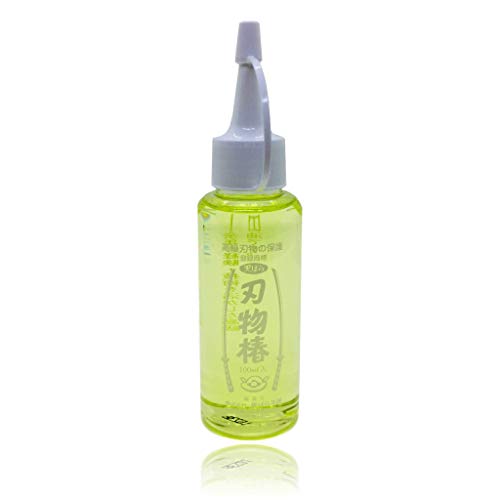
KUROBARA HAMONO TSUBAKI
KUROBARA 100% Pure Tsubaki Japanese Knife Maintenance Camellia Oil (3.4 oz)
- Prevents rust on various carbon steel products such as knives, scissors, sewing machines, gardening tools, etc.
- Clean the cutlery and dry it completely. Then, take an appropriate amount and apply it on a cloth.
- It can also be used as a lubricant for machinery and tool products.
One effective option to consider is KUROBARA 100% Pure Tsubaki Japanese Knife Maintenance Camellia Oil. This oil is versatile, preventing rust on various tools, including gardening implements. With its ability to lubricate and protect, it stands out as an excellent choice for maintaining garden tool handles.
Types of Oils for Garden Tool Handles
When it comes to choosing an oil for your garden tool handles, several options are available. Here’s a closer look at the most commonly used types:
- Linseed Oil: This natural oil dries to a hard finish, providing excellent protection against moisture. It penetrates deeply into the wood, making it a popular choice for wooden handles.
- Mineral Oil: This option is food-safe and easy to apply. It doesn’t dry out like linseed oil, making it ideal for tools that see frequent use.
- Tung Oil: Known for its water-resistant properties, tung oil offers robust protection and a natural finish. It takes longer to cure than other oils but provides a durable surface.
- Camellia Oil: Often used in Japan for tool maintenance, camellia oil, like the KUROBARA option, is effective for preventing rust and lubricating tools. It’s lightweight and doesn’t become sticky over time.
Application Methods
Applying oil to your garden tool handles is simple, but doing it correctly ensures the best results. Follow these steps for effective application:
- Clean the Handles: Start by cleaning your tools. Remove dirt, sap, or old oil using a rag or brush.
- Dry Thoroughly: Ensure the handles are completely dry before applying oil. Moisture can lead to trapping water, which causes rust.
- Apply the Oil: Use a clean cloth to apply a thin layer of oil. Work it into the wood, allowing it to soak in.
- Wipe Excess: After a few minutes, wipe away any excess oil with a dry cloth. This helps prevent a sticky residue.
- Let it Cure: Allow the oil to cure for at least 30 minutes before using the tools. This helps create a protective barrier.
Comparative Table of Oils
| Type of Oil | Protection | Drying Time | Food-Safe |
|---|---|---|---|
| Linseed Oil | High | 24 hours | No |
| Mineral Oil | Moderate | None | Yes |
| Tung Oil | Very High | 24-48 hours | No |
| Camellia Oil | High | 30 minutes | Yes |
Frequently Asked Questions
1. How often should I oil my garden tool handles?
It’s advisable to oil your garden tool handles at least once a season. However, if you use them frequently, consider applying oil every month.
2. Can I use vegetable oil on wooden handles?
Vegetable oil can be used, but it may become rancid over time. It’s better to use oils specifically designed for tool maintenance.
3. Will oiling my tools prevent rust?
Yes, applying oil creates a protective barrier that prevents moisture from causing rust. Regular maintenance helps prolong the life of your tools.
4. What should I do if my tools already have rust?
Remove rust with steel wool or sandpaper before applying oil. Ensure the surface is clean and dry to prevent further rusting.
5. Is camellia oil better than linseed oil?
Camellia oil has advantages such as being food-safe and lightweight. It’s less likely to become sticky than linseed oil, making it easier to work with.
Practical Takeaways
- Choose the right oil based on your tool material and usage.
- Regular maintenance prolongs the life of garden tools.
- Clean and dry tools thoroughly before applying oil.
- Consider camellia oil for its rust prevention and lubrication properties.
- Using mineral oil is an effective choice for frequently used tools.
- Check the current price on Amazon for quality products like KUROBARA Camellia Oil.
- Apply oil every season, or more often with regular use, for optimal protection.