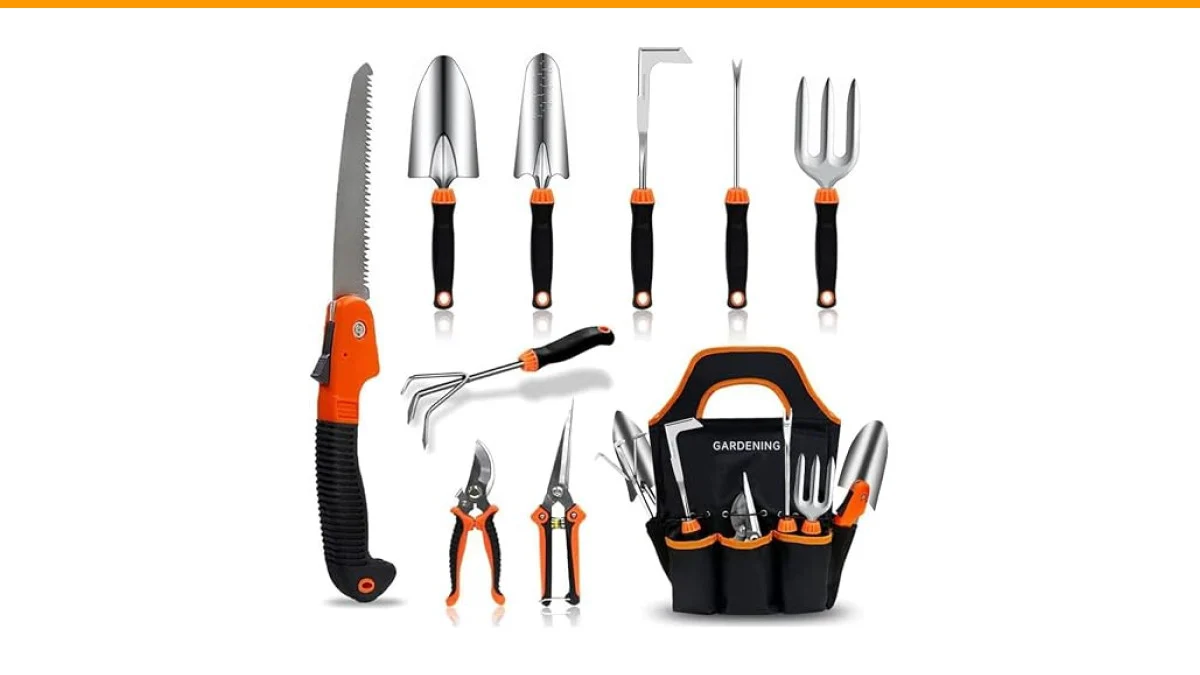
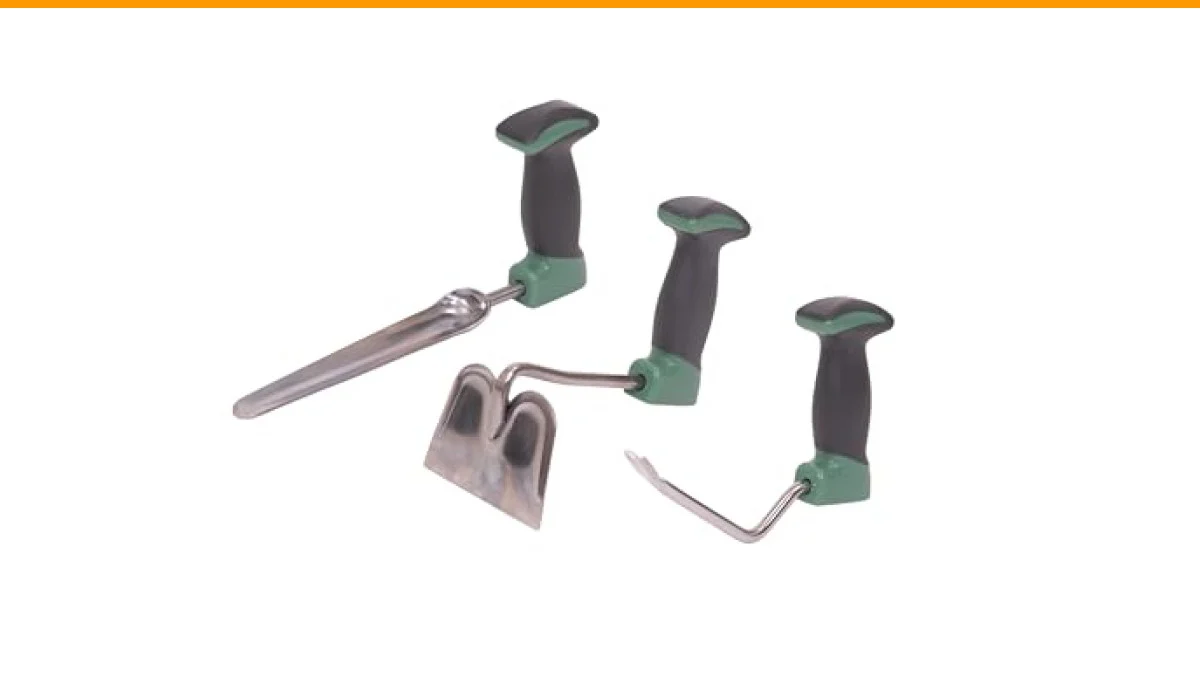
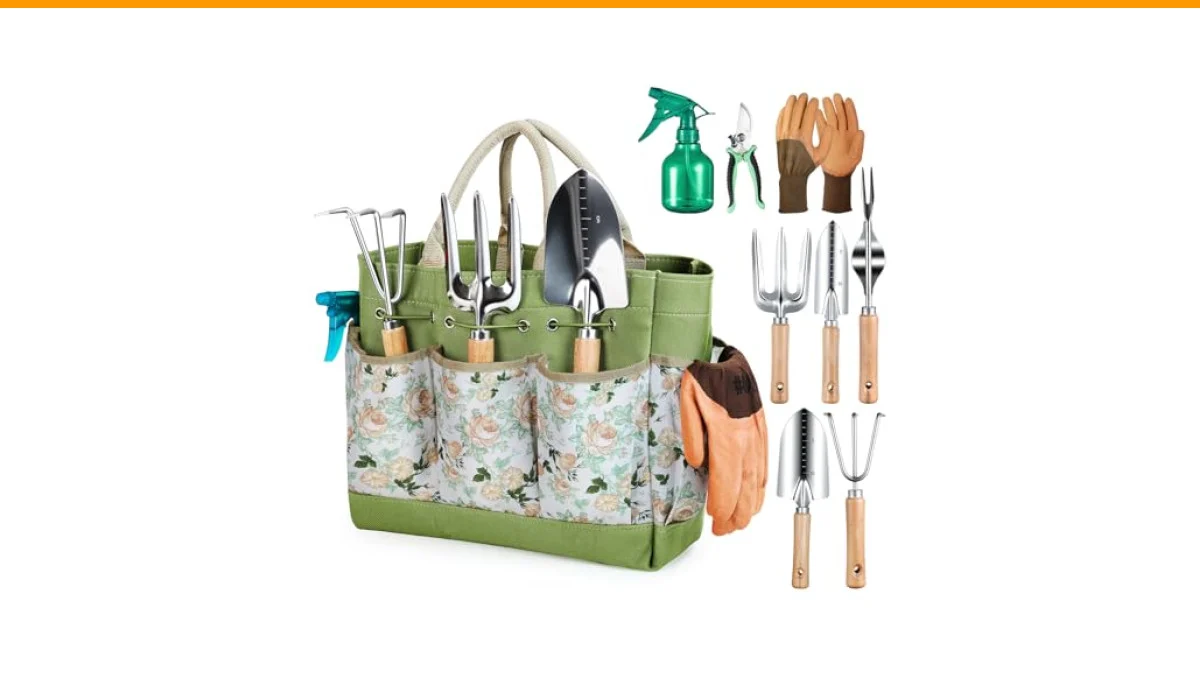
When you pull out your trusty garden tools after a long winter, you expect them to perform effortlessly. However, dull blades can turn your gardening experience into a frustrating chore. Should you reach out to a professional service or sharpen your tools yourself? This article will help you weigh the benefits and drawbacks of garden tool sharpening services versus DIY methods. You’ll understand not just the costs involved, but also the skills required, tools needed, and the potential outcomes of each approach.
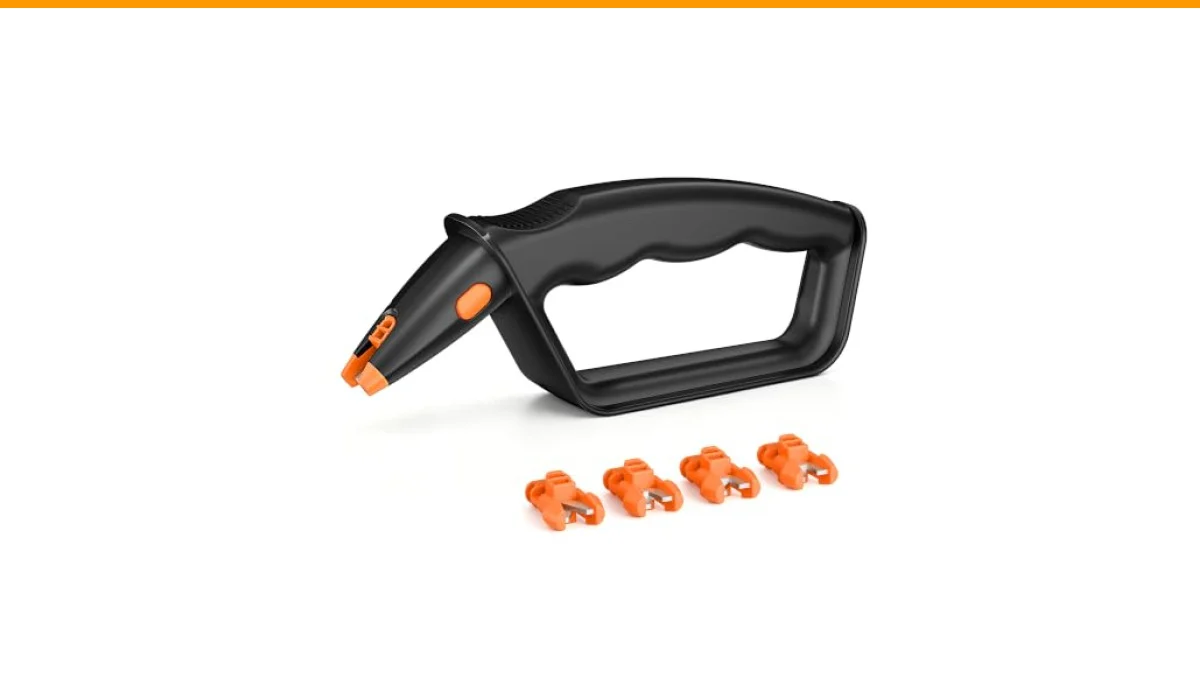
For those leaning towards a DIY method, consider the SporGain All-in-1 Garden Tool & Knife Sharpener. This versatile sharpener features replaceable heads and angle guides, making it easier to maintain your tools without the need for complex equipment. It’s an excellent choice for anyone committed to handling their own sharpening tasks.
Understanding Garden Tool Sharpening Services
Professional garden tool sharpening services offer expertise that can transform your dull tools into high-performing ones. These services typically include the sharpening of a variety of tools, such as knives, pruners, and lawn mower blades. A skilled technician can assess the specific needs of each tool, sharpening them to the right angle and condition for optimal performance.
Here are some key benefits of using a professional service:
- Expertise: Professionals know the best techniques for each tool type.
- Quality Assurance: Typically, you’ll receive tools that work like new, reducing the risk of damage.
- Time-Saving: You can focus on other gardening tasks instead of sharpening.
However, there are some downsides. The costs can add up, especially if you have multiple tools to sharpen. You’ll also need to wait for the service to be completed, which might not be convenient during the busy gardening season.
Exploring DIY Sharpening Methods
Choosing to sharpen your garden tools yourself can be rewarding. DIY methods allow you to control the sharpening process, and you can often do it on your own schedule. Plus, it can save money in the long run. Basic tools for DIY sharpening include whetstones, sharpening rods, and specialized sharpeners like the SporGain sharpener mentioned earlier.
Here are some advantages of DIY sharpening:
- Cost-Effective: Once you invest in sharpening tools, ongoing costs are minimal.
- Convenience: You can sharpen tools whenever you want, without waiting for a service.
- Skill Development: Learning to sharpen can enhance your overall gardening skills.
However, DIY sharpening requires practice. It’s not as simple as it looks. Achieving the right angle can be challenging, and improper techniques can lead to tool damage.
Comparing Costs and Tools
When deciding between professional services and DIY sharpening, consider the costs and tools required for each method. The following table outlines a comparison of the two approaches:
| Aspect | Garden Tool Sharpening Services | DIY Sharpening |
|---|---|---|
| Cost | Varies (usually $5-$15 per tool) | Initial investment in tools ($20-$50) |
| Time | Waiting time for service | Immediate, based on your availability |
| Skill Level | Professional expertise | Requires practice and learning |
| Quality | High-quality sharpening | Varies based on skill |
| Tool Variety | May sharpen a range of tools | Depends on your equipment |
Common Questions About Garden Tool Sharpening
1. How often should I sharpen my garden tools?
Sharpen garden tools at the beginning of the season or whenever you notice a decrease in performance. Regular maintenance can extend their lifespan.
2. What tools do I need for DIY sharpening?
You’ll need a sharpening stone or rod, and possibly a specialized tool sharpener like the SporGain sharpener. Each tool may require different sharpening methods.
3. Can I damage my tools if I sharpen them incorrectly?
Yes, improper sharpening can lead to nicks, uneven edges, or even breakage. It’s essential to practice and learn the correct techniques.
4. Are there different sharpening angles for different tools?
Absolutely. Different tools require specific angles. For instance, knives often need a 20-degree angle, while pruners might need 25 degrees.
5. How do I know if my tools need sharpening?
If you notice increased resistance when using your tools or if they leave ragged edges on plants, it’s time to sharpen them.
Final Thoughts on Sharpening Choices
- Professional services offer expertise but can be costly.
- DIY sharpening saves money and builds skills but requires practice.
- Consider the types of tools you own and how often you use them.
- Invest in quality sharpening tools if you choose the DIY route.
- Evaluate your time constraints and gardening goals when making your decision.
- Keep your tools organized to make the sharpening process easier.
- Explore more about tool organizers that can aid in maintaining your gardening tools.