Understanding Why Your Grass Is Turning Brown
Contents
Imagine stepping outside to your yard, only to find patches of brown grass where vibrant green once thrived. This sight can evoke frustration for any homeowner devoted to maintaining a lush lawn. Understanding why your grass is turning brown is essential to restoring its health and beauty. This article will illuminate the top reasons for brown grass and provide actionable solutions to bring your lawn back to life.
Whether it’s due to environmental stress, pests, or improper care, there are numerous factors that can lead to browning grass. By diagnosing the underlying causes, you can implement the right strategies to rejuvenate your lawn. One effective way to support your grass during changing seasons is through fertilization. For instance, Scotts Turf Builder WinterGuard Fall Lawn Food helps build strong, deep roots, preparing your lawn for winter and enhancing recovery from summer stress.
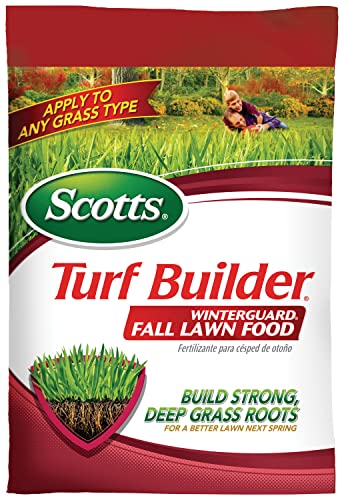
Scotts
Scotts Turf Builder WinterGuard Fall Lawn Food, 10 lbs. | Lawn Fertilizer for All Grass Types, Covers 4,000 sq. ft., Autumn Lawn Care
- FALL LAWN FERTILIZER: Scotts Turf Builder WinterGuard Fall Lawn Food is a fertilizer that builds strong, deep grass roots for a be…
- SUMMER LAWN RECOVERY: Our fertilizer provides nutrients lawns need to help recover from summer heat, drought, and regular activity…
- APPLY IN FALL TO PREPARE YOUR LAWN FOR WINTER: Apply this grass fertilizer to a wet or dry lawn in the fall

Common Causes of Brown Grass
Several factors can contribute to grass turning brown. Here are some of the most common:
- Insufficient Watering: Lawns typically require about 1 to 1.5 inches of water per week, including rainfall. In dry conditions, grass may turn brown due to drought stress.
- Overwatering: Excess water can lead to root rot and fungal diseases, which may result in brown patches. Ensure proper drainage and avoid watering too frequently.
- Soil Compaction: Compacted soil restricts root growth and water absorption. Aerating your lawn can relieve compaction and promote healthier grass.
- Fungal Diseases: Diseases like brown patch or dollar spot can cause visible browning. Regularly inspect your lawn for signs of disease and treat accordingly.
- Pests: Insects such as grubs or chinch bugs can damage grass roots, leading to brown patches. Identifying and treating pest infestations is crucial for recovery.
Environmental Factors Impacting Grass Color
Climate plays a significant role in the health of your lawn. Here are some environmental conditions to consider:
- Seasonal Changes: Grass naturally goes dormant in winter or extreme heat, leading to a brown appearance. Warm-season grasses may brown during cooler months, while cool-season grasses may struggle in intense heat.
- Sunlight Exposure: Grass may turn brown due to insufficient sunlight, especially in shaded areas. Consider trimming back overhanging branches to increase light exposure.
Effective Solutions for Reviving Brown Grass
Once you’ve identified the cause of your grass turning brown, here are actionable steps to restore its health:
- Adjust Watering Habits: Ensure your lawn receives adequate water without overdoing it. Water deeply once or twice a week instead of daily.
- Aerate the Soil: Aeration can improve root growth. Use a core aerator to create holes in the soil, allowing air and nutrients to penetrate more effectively.
- Treat Pests and Diseases: Use appropriate pesticides or fungicides if you detect pests or diseases. Integrated pest management strategies can help control infestations sustainably.
- Fertilize Wisely: Apply a quality fertilizer, such as Scotts Turf Builder WinterGuard Fall Lawn Food, to promote robust root growth and prepare your lawn for winter.
Comparative Overview of Lawn Care Strategies
| Strategy | Best For | Frequency | Notes |
|---|---|---|---|
| Watering | Drought conditions | 1-2 times a week | Adjust for rainfall |
| Aeration | Compacted soil | 1-2 times a year | Best in spring or fall |
| Fertilization | General lawn health | 2-4 times a year | Use seasonal fertilizers |
| Pest Control | Infested areas | As needed | Integrated pest management preferred |
Why is my grass turning brown in spots?
Brown spots often indicate localized issues such as pests, diseases, or inadequate watering. Identifying the specific cause is essential for targeted treatment.
Can over-fertilizing cause brown grass?
Yes, too much fertilizer can lead to fertilizer burn, causing grass to turn brown. Use fertilizers as directed and consider soil testing to assess nutrient needs.
What is the best time to water my lawn?
The best time to water is early morning, between 6 AM and 10 AM. This allows grass to absorb moisture before the heat of the day.
How long does it take for grass to recover from browning?
Recovery time can vary. With proper care, grass can begin to green up within a few weeks, though severe damage may take longer.
Is it too late to save my brown lawn?
Not necessarily. Taking prompt action based on the identified cause can still help revive your lawn, even late in the season.
Actionable Steps for a Greener Lawn
- Check watering schedule; ensure 1-1.5 inches per week.
- Aerate the lawn every year.
- Use a quality fall fertilizer like Scotts Turf Builder WinterGuard.
- Inspect for pests and diseases regularly.
- Adjust mowing height; keep it at 3 inches or higher for better resilience.