
Have you stepped out onto your lawn only to find patches of yellow grass instead of the vibrant green you expect? This frustrating sight can leave homeowners confused and concerned about the health of their lawns. Understanding why your grass is turning yellow is crucial to restoring its health and beauty. In this guide, we’ll break down the common causes of yellowing grass and provide actionable solutions.
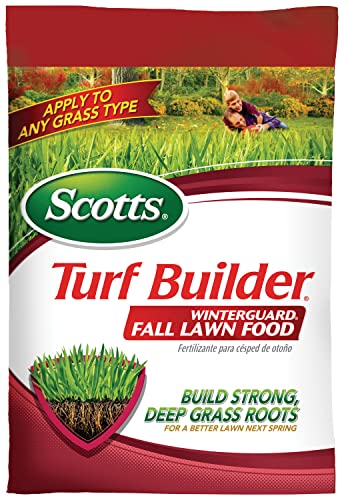
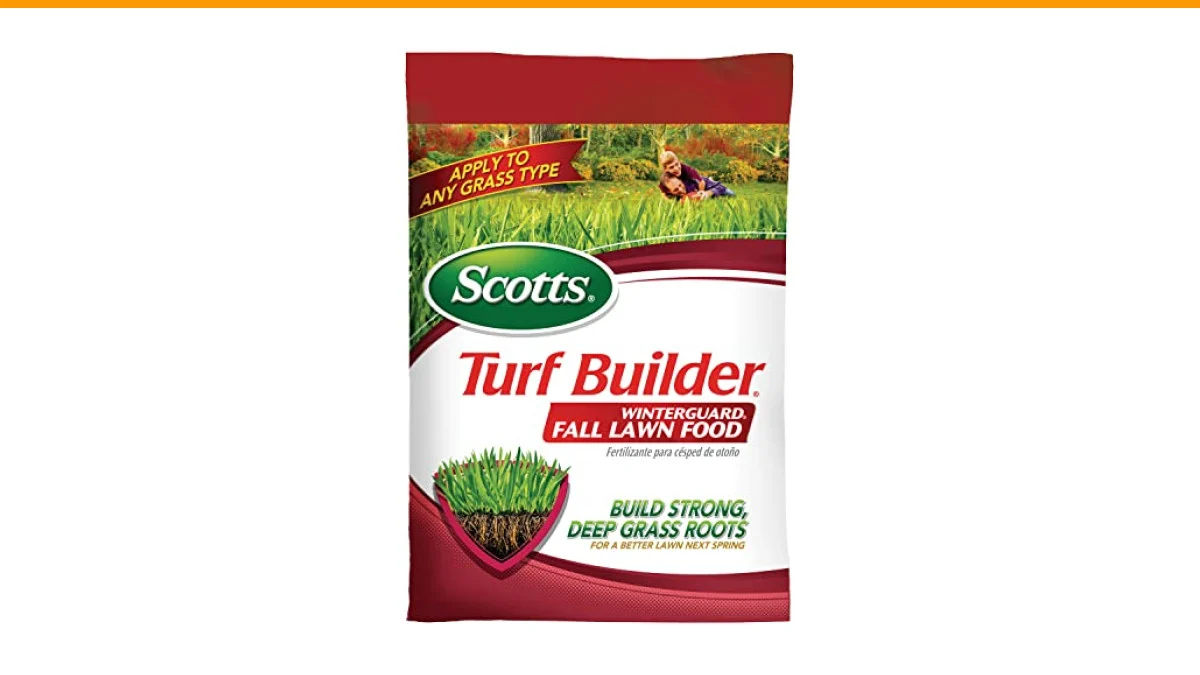
After identifying the underlying issues, you can take steps to rectify them. For instance, applying the right fertilizer, like Scotts Turf Builder WinterGuard Fall Lawn Food, can improve soil quality and promote healthy growth as winter approaches. This product is designed to build strong roots, helping your lawn recover from summer heat while preparing it for winter.
Scotts
Scotts Turf Builder WinterGuard Fall Lawn Food, 10 lbs. | Lawn Fertilizer for All Grass Types, Covers 4,000 sq. ft., Autumn Lawn Care
- FALL LAWN FERTILIZER: Scotts Turf Builder WinterGuard Fall Lawn Food is a fertilizer that builds strong, deep grass roots for a be…
- SUMMER LAWN RECOVERY: Our fertilizer provides nutrients lawns need to help recover from summer heat, drought, and regular activity…
- APPLY IN FALL TO PREPARE YOUR LAWN FOR WINTER: Apply this grass fertilizer to a wet or dry lawn in the fall
Common Causes of Yellow Grass
So, why is my grass turning yellow? The answer often lies in one of several common issues:
- Watering Issues: Both overwatering and underwatering can lead to yellow grass. Grass needs adequate moisture, but too much water can suffocate roots, while too little can cause stress.
- Nutrient Deficiencies: A lack of essential nutrients, particularly nitrogen, can cause grass to yellow. Regular soil testing can help identify these deficiencies.
- Pest Infestation: Pests such as grubs or chinch bugs can damage grass roots, leading to yellowing areas. Regularly inspecting your lawn can help you catch infestations early.
- Soil Compaction: Soil that is compacted restricts root growth and limits access to water and nutrients. Aeration can help alleviate this problem.
- Diseases: Fungal infections and diseases like rust or brown patch can cause yellowing. Identifying the specific disease will dictate the treatment approach.
Watering Practices
Watering plays a vital role in maintaining a healthy lawn. Overwatering can drown roots, while underwatering can cause drought stress. Here are some tips to ensure you’re watering correctly:
- Frequency: Water once or twice a week, providing about 1 to 1.5 inches of water per week, including rainfall.
- Timing: Water early in the morning. This reduces evaporation and allows grass to absorb moisture before the heat of the day.
- Soil Check: Check soil moisture by sticking your finger into the ground. If the top inch is dry, it’s time to water.
Nutrient Management
Ensuring your grass receives the right nutrients is crucial. If your grass is turning yellow due to nutrient deficiencies, consider the following:
- Soil Testing: Conduct a soil test once a year to monitor nutrient levels and pH.
- Fertilization: Use a balanced fertilizer that includes nitrogen, phosphorus, and potassium. For fall seasons, a product like Scotts Turf Builder WinterGuard Fall Lawn Food helps strengthen roots.
- Organic Options: Consider organic fertilizers such as compost or well-rotted manure to improve soil health naturally.
Managing Pests and Diseases
Identifying pests and diseases early can prevent further damage to your lawn. Here are steps to take:
- Regular Inspections: Check for signs of pests or disease. Look for discolored patches or unusual growth.
- Integrated Pest Management: Use a combination of cultural, biological, and chemical methods to manage pests effectively.
- Fungicides: For fungal diseases, apply fungicides as soon as symptoms appear.
| Cause | Signs | Solutions |
|---|---|---|
| Watering Issues | Patches of yellow grass, wilting | Adjust watering schedule, check drainage |
| Nutrient Deficiencies | General yellowing, stunted growth | Fertilize and conduct soil tests |
| Pest Infestation | Uneven patches, visible insects | Inspect regularly, apply pest control |
| Soil Compaction | Thin grass, poor growth | Aerate soil |
| Diseases | Discolored patches, wilting | Identify disease, apply fungicides |
What are the signs of yellow grass?
Common signs include patches of yellowing grass, wilting, and stunted growth. Observing these signs early can help diagnose the issue more effectively.
How can I tell if my grass needs more water?
Check soil moisture by inserting your finger into the soil. If the top inch feels dry, it’s time to water. Also, look for signs of wilting or dry patches.
What can I do about pests in my grass?
Regular inspections can help identify pests early. Use integrated pest management techniques, which combine cultural practices, biological control, and targeted pesticide applications.
How often should I fertilize my lawn?
Fertilize your lawn at least twice a year: once in the spring and once in the fall. Adjust based on soil tests and specific grass type needs.
Can yellow grass recover?
Yes, yellow grass can recover with proper care. Addressing the underlying issues—be it watering, nutrient deficiencies, pests, or diseases—will promote healing and regrowth.
Actionable Steps for a Healthier Lawn
- Adjust watering to ensure proper moisture levels.
- Conduct annual soil tests to monitor nutrient levels.
- Fertilize with a balanced product, particularly in fall.
- Inspect regularly for pests and signs of disease.
- Aerate compacted soil to improve root health.
- Consider organic fertilization for long-term soil health.
- Seek professional help if issues persist or worsen.


