

Why Is My Grass Seed Not Germinating?
Contents

Understanding Grass Seed Germination
Many homeowners face frustration when they plant grass seed, only to watch it fail to germinate. You might have prepared the soil, watered diligently, and waited patiently, only to see bare patches where grass should thrive. This situation is all too common, but understanding the factors that affect germination can help you achieve a lush lawn.
In this article, you will learn the key reasons grass seed might not germinate, identify the conditions necessary for successful growth, and explore effective solutions. You’ll walk away with a clear path to troubleshoot your lawn’s issues.
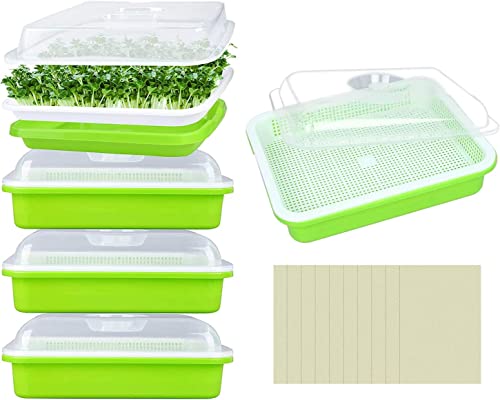
Legigo
Legigo 5 Pack Seed Sprouter Trays with Lids, Microgreens Growing Trays Kit
- Microgreens Growing Trays: You will receive 5 pcs seed starter tray, comes with 10 planting papers, the size is 12.7 * 10.23 * 4.9…
- Longlasting & Healthy: Seed sprouting tray for sprouts are made of high quality food grade plastic material, compared with other s…
- Convenient Design: The clear cover can keep environment more humid meanwhile the plants get enough light to grow, the grid sprout…
If you’re looking to enhance your seed-starting experience, consider using the Legigo 5 Pack Seed Sprouter Trays. This growing trays kit helps create an optimal environment for seeds, allowing you to grow various plants without soil.
Key Factors Affecting Grass Seed Germination
Grass seed germination is a complex process influenced by several environmental and biological factors. Here are the most critical elements:
1. Soil Temperature
Soil temperature plays a crucial role in germination. Most grass seeds require soil temperatures between 50°F and 65°F (10°C to 18°C) to germinate effectively. If the soil is too cold, seeds may remain dormant. Conversely, excessively high temperatures can inhibit germination and damage the seed.
2. Soil Moisture
Seeds need adequate moisture to germinate. The soil should be consistently moist but not waterlogged. A good rule of thumb is to keep the top 1-2 inches of soil damp. If the soil dries out, the germination process can stop completely. On the other hand, too much water can lead to seed rot.
3. Seed Quality
The quality of the grass seed itself matters significantly. Old or poor-quality seed may have lower germination rates. Check the seed package for a germination percentage, which should ideally be above 85%. If the seeds are past their expiration date or stored improperly, they may not sprout.
4. Soil Preparation
Proper soil preparation is essential for successful germination. Compacted soil can restrict root growth and water absorption. Loosening the soil with a rake or tiller can improve airflow and moisture retention. Aim for a smooth, even surface before sowing.
Comparative Table of Grass Seed Factors
| Factor | Optimal Condition | Impact of Poor Condition |
|---|---|---|
| Soil Temperature | 50°F – 65°F | Delayed or failed germination |
| Soil Moisture | Consistently damp, not soggy | Seed rot or dormancy |
| Seed Quality | Over 85% germination rate | Low sprouting rates |
| Soil Preparation | Loosely tilled, smooth surface | Compacted soil restricts growth |
Troubleshooting Your Grass Seed Issues
If your grass seed is not germinating, consider these troubleshooting tips:
- Check the soil temperature. Use a soil thermometer to ensure it’s within the optimal range.
- Assess soil moisture levels. Water lightly if the soil feels dry; be cautious of overwatering.
- Examine the seed quality. If in doubt, conduct a germination test by placing some seeds in a damp paper towel and observing their sprouting over several days.
- Prepare the soil properly. Aerate and level the ground before sowing.
5 Frequently Asked Questions
Why is my grass seed not germinating even after watering?
If the soil is too cold or too wet, seeds may fail to germinate. Ensure that the temperature is within the ideal range and adjust watering accordingly.
How long does it usually take for grass seed to germinate?
Most grass seeds germinate within 7 to 14 days, depending on the type of grass and environmental conditions. Some varieties might take longer.
Is it possible for grass seed to go bad?
Yes, grass seed can lose viability over time, especially if not stored properly. Always check the expiration date on the package.
Can I plant grass seed in the fall?
Yes, fall is often an excellent time for planting grass seed. The cooler temperatures and moisture levels are conducive to germination.
What should I do if my lawn has bare spots?
You can overseed those areas with fresh grass seed. Prepare the soil, ensuring it’s loose and moist, and then sow the seeds.
Actionable Insights for Successful Grass Germination
- Measure and monitor soil temperature regularly.
- Keep soil consistently moist, checking it daily.
- Choose high-quality seeds with a good germination rate.
- Aerate and prepare your soil properly before planting.
- Consider using seed sprouter trays for better seed management.
- Be patient; some seeds take longer than others to germinate.
- Investigate local conditions and adapt your approach accordingly.


