
Introduction
Starting a new lawn can feel like a daunting task, especially when you’re faced with the unpredictable elements. Imagine spending hours preparing the soil, selecting the perfect seed, and planting, only to find that your efforts are thwarted by birds, heavy rain, or high winds. Protecting new grass seed is not just a good idea; it’s essential for achieving a lush and green lawn.
This article will guide you through effective strategies for safeguarding your new grass seed. You’ll learn about the importance of mulching, watering techniques, and even the benefits of using protective products. By the end, you’ll have actionable insights to ensure your grass grows strong and healthy.

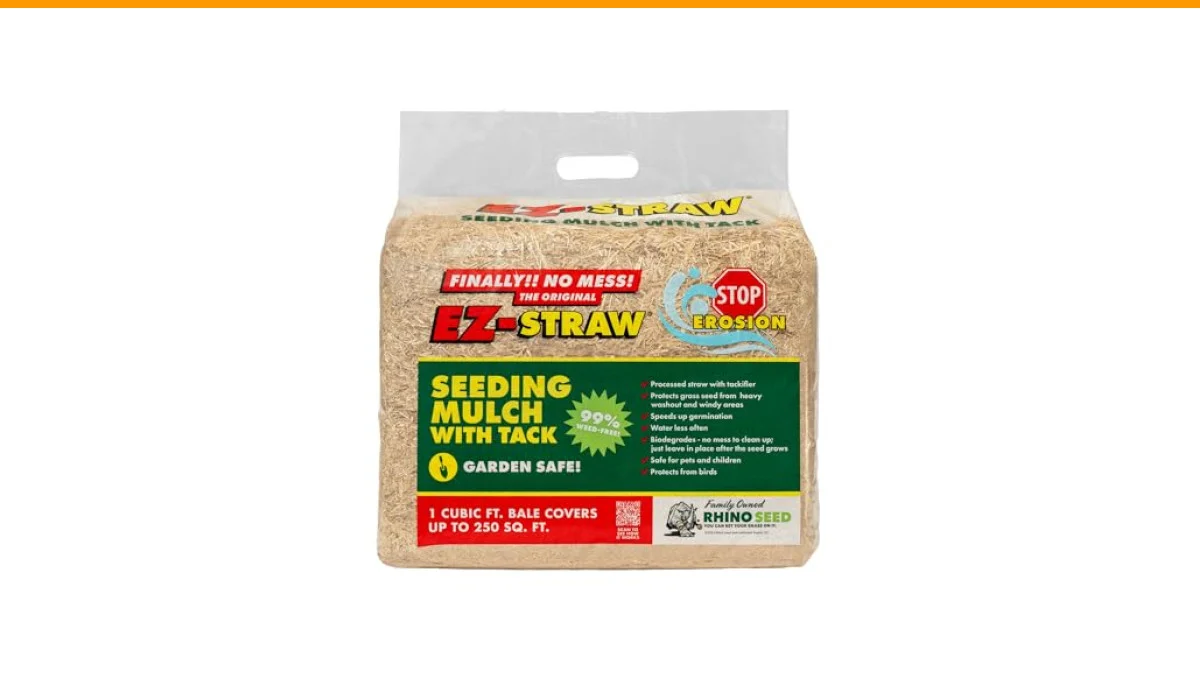
EZ Straw
EZ Straw Seeding Mulch with Tack - Biodegradable Processed Straw, 1 cu. ft. Bale (Covers 250 sq. ft.)
- Packaging May Vary: Same great Seeding Mulch with updated packaging!
- Sticks Together with Tackifier: Premium Processed Straw with a natural, biodegradable bonding agent (Tackifier) that gives straw a…
- Protective Layer: Protects the grass seed from heavy washout, windy areas, birds and other animals.
One product that can significantly aid in this process is EZ Straw Seeding Mulch with Tack. This biodegradable mulch not only provides a protective layer against environmental stressors but also helps retain moisture, speeding up germination.
Understanding Environmental Threats
New grass seeds face several threats during their crucial germination phase. Here are the main ones:
- Birds: Birds are often attracted to the seeds you’ve just planted. They can quickly decimate your efforts if not deterred.
- Heavy Rain: Excessive rainfall can wash away seeds, especially if they are not adequately anchored in the soil.
- Wind: Strong winds can displace light seeds and disrupt germination.
- Soil Erosion: Poorly structured soil may not hold seeds effectively, leading to loss during heavy rains.
Identifying these threats allows you to implement protective measures tailored to your specific situation.
Effective Protection Strategies
Now that you know what you’re up against, let’s explore some practical methods to protect your new grass seed.
1. Mulching
Applying mulch is one of the best defenses against environmental threats. Mulch helps retain soil moisture, preventing the soil from drying out too quickly. It also creates a barrier against birds and helps control weeds.
For example, using EZ Straw Seeding Mulch provides a tacky, biodegradable layer that holds in moisture while protecting seeds from being washed away. This product covers about 250 square feet, making it ideal for larger areas.
2. Watering Techniques
Proper watering is crucial for seed protection. Overwatering can lead to displacement, while underwatering can hinder germination. Here are some tips:
- Frequency: Water lightly but frequently for the first few weeks. Aim for about 2-3 times a week.
- Timing: Water early in the morning or late in the evening to minimize evaporation.
- Technique: Use a gentle spray from a garden hose or sprinkler to avoid displacing seeds.
3. Using Seed Covers
Seed covers can provide an extra layer of protection. Options include:
- Netting: Lightweight bird netting can deter birds while allowing sunlight and rain in.
- Soil Covers: Lightweight fabric covers can reduce wind exposure and soil erosion.
These covers can be particularly useful in areas prone to high winds or heavy rainfall.
4. Strategic Planting
When planting, consider the season and local climate conditions. For instance, planting in early spring or fall often yields better results as temperatures are milder. Additionally, grouping seeds in patches rather than scattering them can help ensure that they germinate more effectively.
Comparison of Protection Methods
| Method | Pros | Cons |
|---|---|---|
| Mulching | Retains moisture, protects from birds, reduces weeds | Can be expensive for large areas |
| Watering Techniques | Ensures proper seed hydration, easy to implement | Requires ongoing attention |
| Seed Covers | Provides direct protection from birds and wind | May require setup and removal |
| Strategic Planting | Optimizes conditions for germination | Dependent on seasonal weather |
Frequently Asked Questions
How long does it take for grass seed to germinate?
Most grass seeds will germinate within 7 to 21 days, depending on the grass type and environmental conditions.
What birds are most likely to eat grass seed?
Common culprits include sparrows, finches, and pigeons. These birds are particularly attracted to open soil and fresh seeds.
What should I do if it rains heavily after planting?
If heavy rain occurs, check for seed displacement. You may need to re-seed any patches that have washed away.
Can I use regular straw instead of specialized mulch?
Regular straw can work, but it lacks the tackifier that helps keep seeds in place and may not provide the same moisture retention.
Is it necessary to cover grass seed?
While not strictly necessary, covering grass seed significantly increases the chances of successful germination and protection from environmental factors.
Final Action Points
- Choose quality grass seed suitable for your region.
- Apply a protective mulch like EZ Straw to safeguard seeds.
- Water consistently to keep soil moist.
- Use seed covers in windy areas.
- Monitor local weather conditions for optimal planting times.
- Check for birds and take preventive measures if necessary.
- Be prepared to reseed if heavy rains wash seeds away.



