Why Does My Lawn Mower Leave Grass Behind?
Contents
Many homeowners have experienced the frustration of a freshly mowed lawn that still has patches of uncut grass. You finish mowing, only to find that your lawn mower leaves grass behind in streaks or clumps. This situation not only looks unsightly, but it can also affect the health of your lawn. Understanding why this happens can help you achieve a lush, even cut.
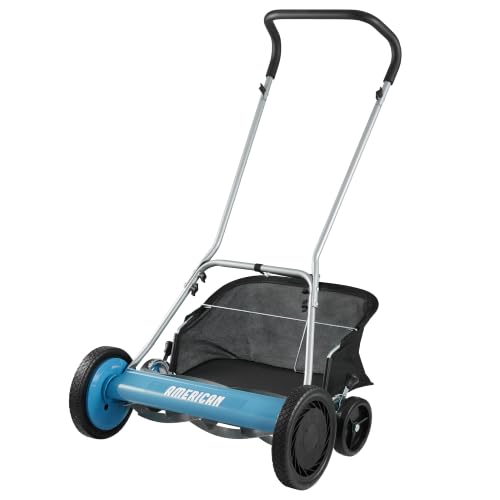
In this article, you’ll learn the common reasons behind this issue and practical solutions to ensure that your lawn mower does its job effectively. We’ll also introduce a reliable tool for maintaining your lawn: the American Lawn Mower 2026-20 20″ 5-Blade Reel Mower. This mower is designed to leave your lawn looking pristine while being eco-friendly and easy to use.
American Lawn Mower Company
American Lawn Mower 2002-20 20" 5-Blade Reel Mower with Grass Catcher
- WIDE 20-INCH CUTTING PATH – The five-blade reel and 20-inch cutting width cover more lawn with each pass while providing a clean,…
- ADJUSTABLE 1- TO 3-INCH CUTTING HEIGHT – Choose a cutting height between 2 and 3 inches. Use a higher setting for longer or thicke…
- QUIET MANUAL OPERATION – Push-powered design requires no gas, oil, batteries, charging or electrical cords, providing quiet operat…

Common Reasons Your Lawn Mower Leaves Grass Behind
Understanding the mechanics of your lawn mower and the conditions of your lawn is crucial in addressing this problem. Here are some of the most frequent causes:
1. Dull Blades
Dull blades are one of the primary culprits behind uneven cuts. When blades are not sharp, they tear the grass rather than cut it cleanly. This results in ragged edges that can leave grass standing. Regular sharpening is essential; ideally, check your mower blades every 20-25 hours of use and sharpen them as needed.
2. Incorrect Cutting Height
Setting your mower to the wrong cutting height can also lead to uncut grass. If the blades are set too high, they won’t trim the grass evenly. Most types of grass require a cutting height between 2-4 inches. Adjust your mower to the optimal height for your grass type to ensure a clean cut.
3. Wet or Thick Grass
Mowing wet grass can result in clumps left behind. The moisture causes grass to stick together, preventing it from being cut properly. Similarly, if grass is too thick or overgrown, the mower may struggle. Aim to mow when the grass is dry and avoid cutting more than one-third of the grass blade at a time to keep your lawn healthy.
4. Clogged Deck
A clogged mower deck can prevent grass from being cut evenly. Grass clippings can build up and block the flow of freshly cut grass, leaving patches behind. Regular cleaning of the mower deck after each use will help maintain optimal performance.
Myth: More Power Equals Better Cutting
Many believe that a more powerful mower will automatically provide a better cut. However, this isn’t true. The quality of the blades and how well the mower is maintained often have a much greater impact on cutting performance than raw power. A well-maintained mower with sharp blades will outperform a powerful yet dull mower.
Comparing Mower Types
Different mower types can affect your cutting experience. Below is a comparison of various mower options that can help prevent grass from being left behind:
| Mower Type | Pros | Cons | Best For |
|---|---|---|---|
| Reel Mower | Quiet, eco-friendly, precise cut | Requires more effort, slower | Small to medium lawns |
| Rotary Mower | Powerful, fast, versatile | Louder, can damage grass if not maintained | Large lawns |
| Self-Propelled Mower | Less physical effort, good for hills | More expensive, heavier | Uneven terrain |
| Robotic Mower | Automated, requires little effort | High cost, limited cutting paths | Busy homeowners |
Frequently Asked Questions
Why does my mower leave grass clippings in rows?
This often happens due to a combination of dull blades and an improper cutting height. Ensure your blades are sharp and adjust the mower height to match your grass type.
Can I mow when the grass is wet?
Mowing wet grass is not recommended. It can lead to clumping and an uneven cut. Always aim to mow when the grass is dry to achieve the best results.
How often should I sharpen my mower blades?
It’s best to sharpen your mower blades every 20-25 hours of use, or at least once per season, depending on usage and conditions.
What’s the best height to set my mower?
The best cutting height varies by grass type, but generally, a range of 2-4 inches works well for most grasses. Taller grass promotes healthier growth.
Can a reel mower help with leaving grass behind?
Yes, the American Lawn Mower 2026-20 features a precision 5-blade reel design that can provide a clean cut, reducing the chances of leaving grass behind.
Quick Tips for a Better Lawn Mowing Experience
- Regularly sharpen your mower blades.
- Adjust cutting height according to grass type.
- Avoid mowing when grass is wet.
- Clean the mower deck after each use.
- Choose the right type of mower for your lawn size.
- Consider a reel mower for a clean, eco-friendly cut.
- Check tire pressure on wheeled mowers for even cutting.
With a little attention to detail and proper maintenance, you can avoid the frustration of a mower leaving grass behind. Taking these steps will not only improve your mowing results but also contribute to a healthier lawn overall.