A Growing Concern
As environmental awareness rises, many homeowners are rethinking their lawn care practices. Conventional methods often rely heavily on synthetic fertilizers and pesticides, which can harm local ecosystems and water supplies. Imagine walking through a neighborhood where lush green lawns are not only beautiful but also support biodiversity and promote soil health. This vision is achievable with sustainable lawn care alternatives.
This article will provide you with actionable insights into maintaining a vibrant lawn while minimizing your environmental impact. You’ll learn about natural fertilizers, eco-friendly weed control methods, and innovative approaches to lawn maintenance. If you’re looking to create a lawn that’s both sustainable and visually appealing, you’re in the right place.
Scotts
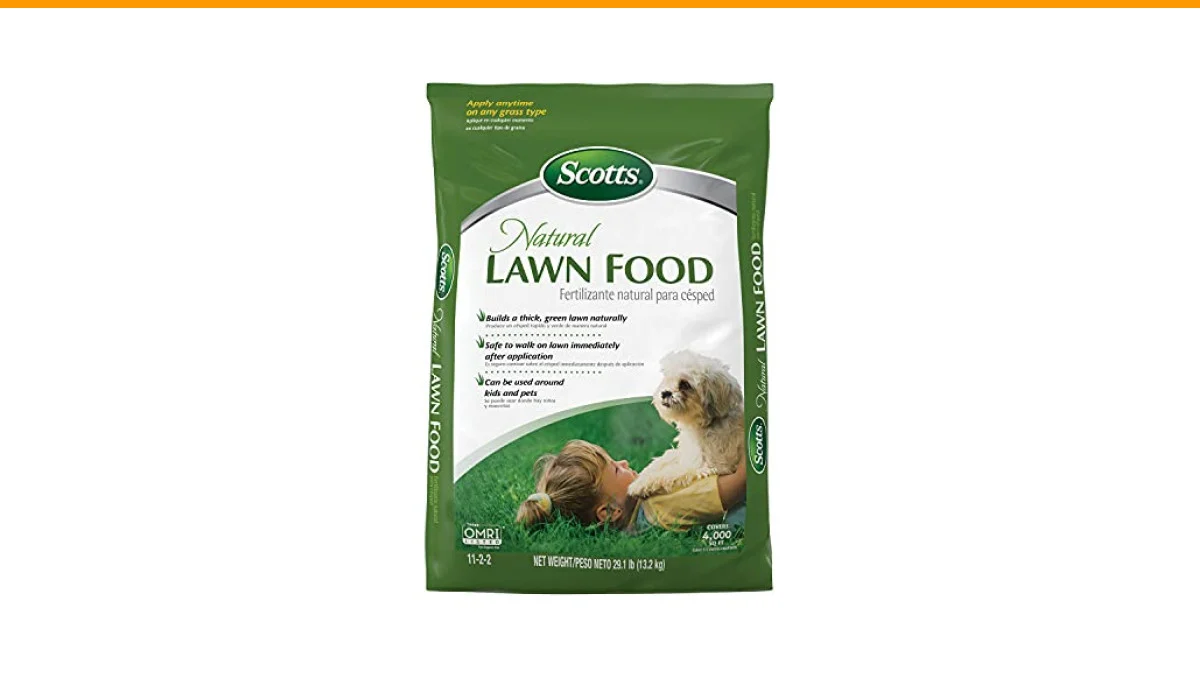
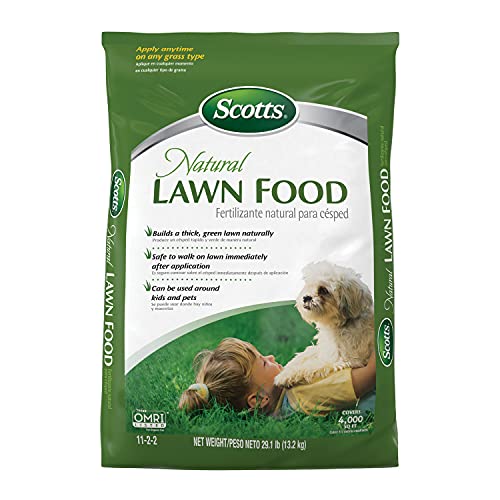
Scotts Natural Lawn Food, Lawn Fertilizer, For All Grass Types, Apply Any Season, OMRI Listed, Covers 4,000 sq. ft., 29.1 lbs.
- Scotts Natural Lawn Food builds a thick, green lawn - naturally
- This lawn care product is safe to walk on immediately after application and can be used around kids and pets
- This grass fertilizer may be applied during any season, up to 4 times per year (see label for details)
One product that can help you transition to more sustainable practices is Scotts Natural Lawn Food. This lawn fertilizer is OMRI listed, making it suitable for organic gardening. It supports healthy grass growth across any season, ensuring your lawn remains lush without the adverse effects associated with synthetic fertilizers.
Natural Fertilizers: A Healthier Choice
Natural fertilizers are derived from organic materials and provide essential nutrients to the soil without harmful chemicals. For instance, compost, worm castings, and bone meal can enrich the soil and promote healthy grass growth. These organic options improve soil structure and encourage beneficial microorganisms.
Consider these specific examples of natural fertilizers:
- Compost: Homemade compost from kitchen scraps enriches the soil and improves its structure. Aim for a nutrient-rich mix of green and brown materials.
- Fish Emulsion: This liquid fertilizer is high in nitrogen and promotes vigorous plant growth. Dilute according to package instructions for best results.
- Bone Meal: A slow-release source of phosphorus, bone meal supports root development and flowering. Apply it during the growing season for optimal benefits.
Eco-Friendly Weed Control
Weeds can be a persistent problem in maintaining a beautiful lawn. However, many traditional herbicides contain harmful chemicals that can leach into the soil and waterways. Thankfully, there are several sustainable methods to control weeds effectively.
Here are some eco-friendly weed control techniques:
- Mulching: Covering soil with organic mulch blocks sunlight and suppresses weed growth. Use materials like straw, wood chips, or shredded leaves.
- Hand Weeding: Regularly pulling out weeds by hand can be effective, especially for smaller areas. Make sure to remove the entire root to prevent regrowth.
- Boiling Water: Pouring boiling water directly onto weeds can kill them without chemicals. This method is particularly effective for cracks in driveways or paths.
Water Conservation Practices
Watering is a critical aspect of lawn care, and excessive use can lead to waste. Implementing water conservation practices ensures your lawn thrives without straining local water resources. Here are some strategies:
- Soaker Hoses: These hoses deliver water directly to the roots, reducing evaporation and runoff. Check out this guide on soaker hoses for garden care.
- Rain Barrels: Collect rainwater from gutters and use it to irrigate your lawn. This practice utilizes a natural resource and lowers your water bill.
- Smart Irrigation Systems: These systems use sensors to measure soil moisture and rainfall, ensuring your lawn only receives water when needed.
Comparison of Lawn Care Alternatives
| Method | Benefits | Considerations |
|---|---|---|
| Natural Fertilizers | Improves soil health, safe for pets | Requires more frequent application |
| Mulching | Suppresses weeds, retains moisture | Initial setup can be labor-intensive |
| Boiling Water | Chemical-free, effective on small areas | Not practical for larger infestations |
| Rain Barrels | Conserves water, reduces costs | Initial investment needed for setup |
What are the benefits of sustainable lawn care?
Sustainable lawn care reduces environmental impact, conserves resources, and promotes biodiversity. Healthier soil leads to stronger grass and less reliance on chemicals.
How often should I apply natural fertilizers?
Natural fertilizers can be applied up to four times a year, depending on the product. Follow specific instructions for each type to avoid over-fertilization.
Can I use organic methods to control pests?
Absolutely! Techniques like introducing beneficial insects or using neem oil can effectively manage pest populations without harmful chemicals.
Is hand weeding effective?
Yes, hand weeding is a practical solution for small areas and can be very effective if done regularly to prevent weed establishment.
What’s the best time to water my lawn?
The best time to water is early morning when temperatures are cooler. This reduces evaporation and allows grass to absorb moisture effectively.
Quick Recommendations for Sustainable Lawn Care
- Use organic fertilizers like compost and fish emulsion.
- Implement mulching to suppress weeds naturally.
- Utilize rain barrels for irrigation.
- Consider soaker hoses for efficient watering.
- Hand weed regularly to control unwanted plants.
- Research alternative grass types that require less water.
- Engage in practices that promote soil health, like aeration.