When Should You Use High Nitrogen Fertilizer on a Lawn?
Contents
Many homeowners dream of lush, green lawns that stand out in the neighborhood. However, achieving this ideal requires more than just regular watering and mowing. Understanding when to use high nitrogen fertilizer on a lawn can make all the difference in achieving that vibrant green look. Timing and proper application are crucial to maximizing the benefits of nitrogen fertilizers.
This article will guide you through the best practices for using high nitrogen fertilizer, including optimal timing, application methods, and the signs your lawn needs a nitrogen boost. By the end, you’ll be equipped with the knowledge to ensure your lawn remains healthy and thriving throughout the growing season.

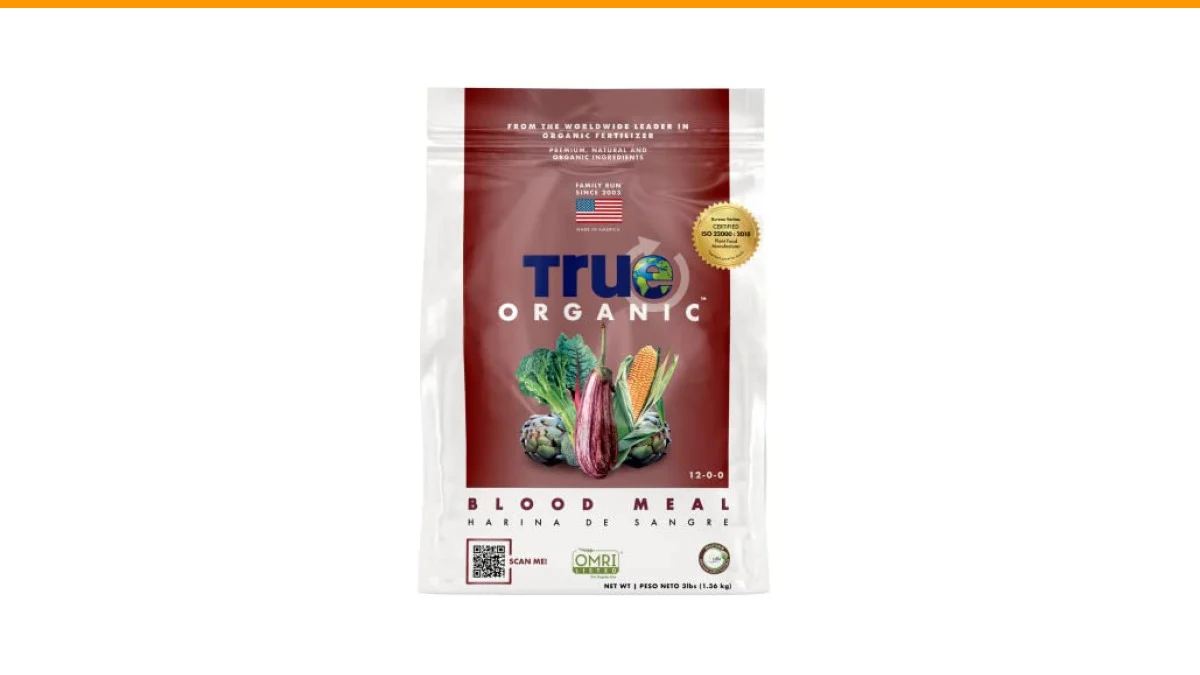
True Organic
True Organic Blood Meal – High-Nitrogen Organic Fertilizer for Rapid Vegetative Growth – 3lb Bag Covers 104 Sq. Ft.
- Encourages Rapid Growth: True Organic Blood Meal is perfect for heavy feeders like corn, spinach, broccoli, and leafy greens, prom…
- High-Nitrogen Formula: A powerful natural source of nitrogen, ideal for boosting lush, green foliage and overall plant health.
- Seasonal Application: Suitable for in-ground and container plants, apply twice annually in Spring and Fall for consistent results.
If you’re looking for an effective high-nitrogen option, consider True Organic Blood Meal. This organic fertilizer promotes rapid vegetative growth, making it ideal for heavy feeders like corn, spinach, and broccoli. It’s easy to apply and perfect for both in-ground and container plants.
Understanding Nitrogen’s Role in Lawn Health
Nitrogen is a key nutrient for plant growth, primarily responsible for promoting lush, green foliage. It plays a vital role in chlorophyll production and is essential for photosynthesis. For lawns, nitrogen encourages vigorous growth, making it particularly important during the active growing season.
However, not all lawns require the same amount of nitrogen. Factors such as grass type, soil quality, and climate conditions can influence nitrogen needs. Cool-season grasses, like Kentucky bluegrass and fescue, generally benefit from higher nitrogen levels in early spring and fall, while warm-season grasses, like Bermuda and zoysia, thrive with nitrogen application during late spring and summer.
When to Apply High Nitrogen Fertilizer
Timing is crucial when using high nitrogen fertilizer on a lawn. Here are the best times to apply:
- Spring Application: For cool-season grasses, apply high nitrogen fertilizer in early spring as the grass begins to green up. This timing encourages strong growth after winter dormancy.
- Fall Application: A second application in early fall helps prepare the lawn for winter. This application supports root development and stores nutrients for the next growing season.
- Summer Boost: Warm-season grasses benefit from nitrogen application in late spring to early summer, helping to support growth during their peak growing season.
Monitor your lawn’s growth. If you notice slower growth or yellowing leaves, it may be time to apply nitrogen. A soil test can also provide guidance on nutrient needs.
Application Methods for High Nitrogen Fertilizer
How you apply high nitrogen fertilizer affects its effectiveness and the health of your lawn. Here are some common methods:
- Granular Fertilizer: Spread evenly over the lawn using a broadcast spreader. This method allows for controlled release and is effective for larger areas.
- Liquid Fertilizer: Ideal for quick absorption, liquid fertilizers can be applied with a sprayer. This method is particularly useful for spot treatments or smaller lawns.
- Organic Options: Organic fertilizers, like True Organic Blood Meal, offer a natural source of nitrogen. They release nutrients more slowly, reducing the risk of burning the grass while promoting long-term soil health.
Follow the package instructions closely to avoid over-fertilization, which can harm your lawn and the environment.
Comparative Analysis of High Nitrogen Fertilizer Options
| Type | Nitrogen Content (%) | Application Rate (lbs/1000 sq. ft.) | Best Use |
|---|---|---|---|
| Granular Fertilizer | 20-30 | 1-3 | General lawn care |
| Liquid Fertilizer | 10-20 | 2-4 | Quick growth boost |
| Organic Fertilizer | 5-15 | 2-5 | Sustainable lawn care |
Each type of fertilizer has its benefits and ideal use cases. Choose one that aligns with your lawn care goals and practices.
What Happens If I Apply Too Much Nitrogen?
Applying too much nitrogen can lead to rapid, excessive growth, making your lawn more susceptible to pests and diseases. It may also result in a phenomenon known as “burning,” where the grass turns brown due to nutrient overload. Always follow application guidelines.
Can I Use High Nitrogen Fertilizer in the Winter?
Avoid applying high nitrogen fertilizer during winter months when grass is dormant. This can lead to nutrient runoff and waste. Instead, focus on applications during the active growing seasons.
How Often Should I Fertilize My Lawn?
Most lawns benefit from 2-4 nitrogen applications per year, depending on grass type and growth conditions. Adjust your schedule based on seasonal growth patterns and soil tests.
Is Organic Fertilizer Better Than Synthetic?
Organic fertilizers improve soil health over time and reduce the risk of chemical runoff, but they release nutrients more slowly. Synthetic fertilizers offer immediate nutrient availability but can lead to soil degradation if overused. Choose based on your lawn care philosophy.
How Can I Tell If My Lawn Needs Nitrogen?
Signs of nitrogen deficiency include yellowing leaves, stunted growth, and poor overall color. Conduct a soil test for accurate nutrient assessment.
Essential Actions for Lawn Care Success
- Apply high nitrogen fertilizer in early spring and fall for cool-season grasses.
- Use late spring for warm-season grasses to support peak growth.
- Choose the right application method based on your lawn size and fertilizer type.
- Monitor your lawn’s health regularly to assess nutrient needs.
- Consider organic options like True Organic Blood Meal for sustainable growth.
- Follow package instructions to prevent over-fertilization.
- Conduct soil tests to tailor fertilization to your lawn’s specific needs.
With this comprehensive understanding of when to use high nitrogen fertilizer on your lawn, you can cultivate a healthy, green space that enhances your home’s curb appeal and provides a welcoming environment for outdoor activities.