
Organic vs Synthetic Lawn Fertilizer: Making the Right Choice for Your Lawn
Contents
Introduction
Imagine a vibrant green lawn that’s the envy of the neighborhood. Achieving this lush look often hinges on the right fertilizer. Many homeowners find themselves torn between organic and synthetic lawn fertilizers, each promising to deliver impressive results. But what do these terms really mean, and which is best suited for your lawn care needs?
This article will provide a thorough comparison of organic vs synthetic lawn fertilizer, examining their components, benefits, and drawbacks. After reading, you’ll be equipped to make an informed decision tailored to your lawn’s specific requirements.

Purely Organic Products LLC
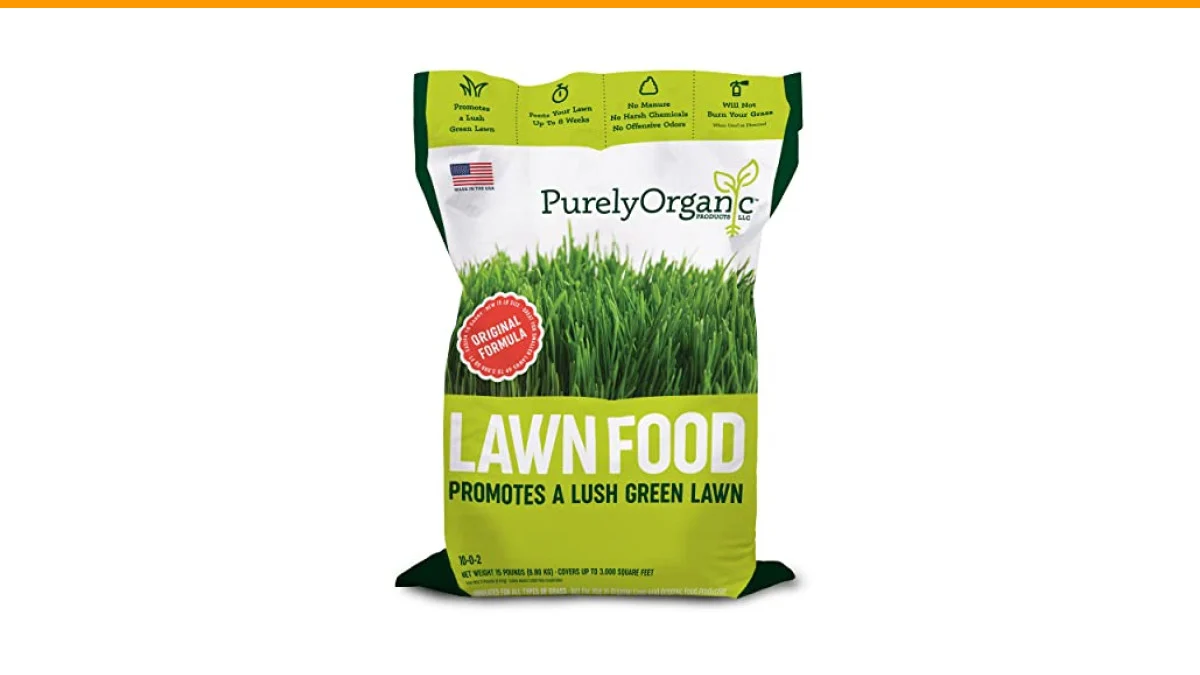
Purely Organic Products Lawn Food 10-0-2, 15 LB (Covers 3,000 Square Feet)
- Promotes Lush Green Turf Grass. Will Not Burn Your Lawn.
- Plant Based Formula with Distillers Grains & Soy. No Harsh Chemicals, No Manure & No Smelly Biosolids.
- Convenient, Family & Pet Friendly. No Restrictions on Re-Entry Time After Application.
For those considering an organic option, the Purely Organic Products Lawn Food 10-0-2 is a solid choice. This product promotes lush grass without the risk of burning your lawn. Its plant-based formula is free from harsh chemicals, making it family and pet-friendly.
Understanding Organic Fertilizers
Organic fertilizers come from natural sources, such as plant or animal matter. Examples include compost, manure, and bone meal. These fertilizers release nutrients slowly, promoting soil health and encouraging beneficial microorganisms.
One significant advantage of organic fertilizers is their long-term impact. They improve soil structure and increase its ability to retain moisture. For instance, when using compost, you can improve your soil’s organic matter, which can enhance nutrient availability over time. Generally, organic fertilizers contain lower concentrations of nutrients, like nitrogen, phosphorus, and potassium (N-P-K), compared to synthetic options. A typical organic fertilizer might have an N-P-K ratio of 5-3-3.
Exploring Synthetic Fertilizers
Synthetic fertilizers, or chemical fertilizers, are manufactured through industrial processes. They often contain concentrated nutrients that can be absorbed quickly by plants. Common synthetic fertilizers include urea, ammonium nitrate, and superphosphate.
The immediate availability of nutrients is a significant benefit of synthetic fertilizers. For example, if your lawn is showing signs of nitrogen deficiency, applying a synthetic fertilizer can quickly green it up. A typical synthetic fertilizer might have a ratio like 20-10-10, meaning it has a higher concentration of nutrients. However, this rapid nutrient release can sometimes lead to nutrient leaching and potential environmental harm.
Comparing Organic and Synthetic Fertilizers
| Feature | Organic Fertilizer | Synthetic Fertilizer |
|---|---|---|
| Source | Natural materials | Manufactured chemicals |
| Nutrient Release | Slow and steady | Fast acting |
| Soil Health | Improves over time | Can degrade soil structure |
| Environmental Impact | Lower risk of pollution | Higher risk of runoff and pollution |
| Cost | Generally higher | Often lower |
Common Misconceptions about Fertilizers
Myth: Organic Fertilizers Are Ineffective
Some believe organic fertilizers don’t work as well as synthetic options. This isn’t entirely true. Organic fertilizers can be less concentrated, but they build soil health, which can lead to more sustainable long-term growth. Many gardeners successfully maintain healthy lawns using organic methods.
Myth: All Synthetic Fertilizers Are Harmful
Not all synthetic fertilizers are created equal. While some can harm the environment, others are formulated with an understanding of nutrient needs and environmental impact. The key is to choose synthetic options wisely and apply them according to recommended guidelines.
Frequently Asked Questions
What is the best type of fertilizer for my lawn?
The best fertilizer depends on your lawn’s specific needs, soil quality, and your gardening philosophy. If you prefer a natural approach, organic fertilizers are excellent. For quick results, synthetic fertilizers may be more suitable.
Can I use organic fertilizer on my vegetable garden?
Yes, organic fertilizers are safe for vegetable gardens. They not only provide nutrients but also improve soil health, which can enhance vegetable growth.
How often should I fertilize my lawn?
Most lawns benefit from fertilization 2-4 times a year, depending on the fertilizer type and seasonal growth patterns. Always follow the instructions on the fertilizer package for optimal results.
Does organic fertilizer smell?
Some organic fertilizers, particularly those based on animal waste, can have an odor. However, many products, like the Purely Organic Lawn Food, are designed to minimize odors while delivering essential nutrients.
Is it safe to apply fertilizer before rain?
Applying fertilizer before rain can lead to runoff and nutrient loss. It’s best to apply fertilizers when the forecast predicts dry weather for at least 24 hours.
Closing Thoughts
- Organic fertilizers improve soil health over time.
- Synthetic fertilizers provide quick nutrient availability.
- Consider your lawn’s specific needs when choosing a fertilizer.
- Both fertilizer types have pros and cons.
- Understand the environmental impact of your chosen fertilizer.
- Regular soil testing can guide your fertilizer choice.
- Look for family and pet-friendly options, like Purely Organic Products Lawn Food.